December 22, 2025
Remote Sensing on Islands: Seeing Ecosystems Through Data
Elke Windschitl, our Conservation Impact Data Specialist, gives us the lowdown on
 Island Conservation

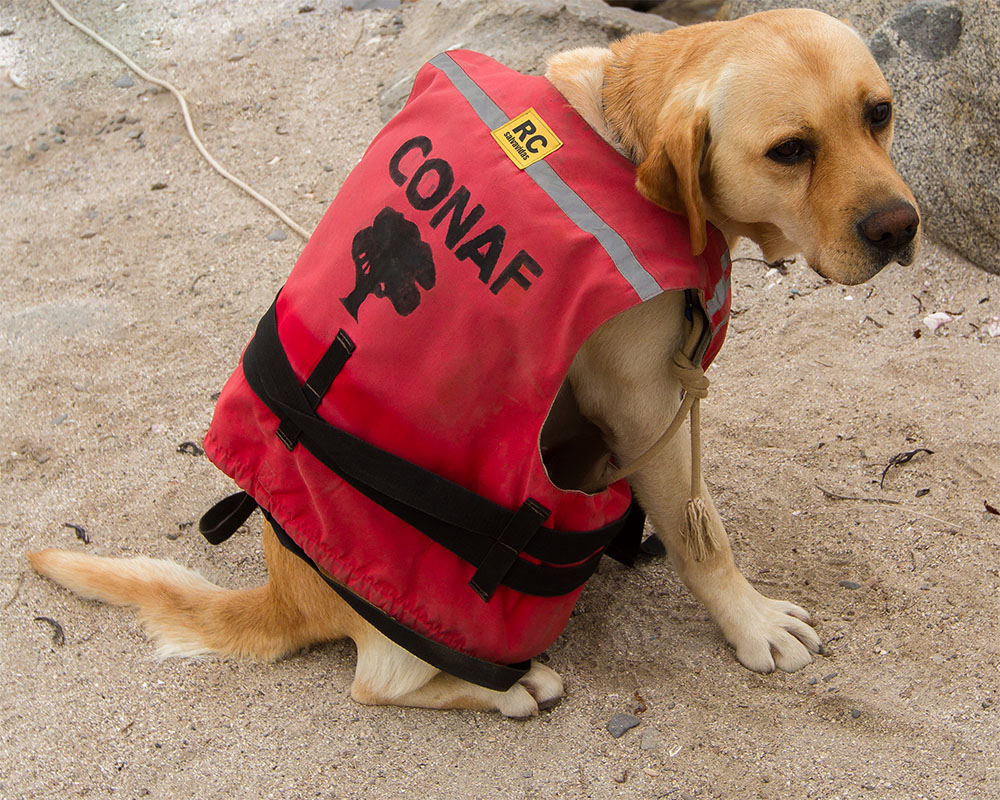
Two islands off the coast of New Zealand had a recent invasive species scare in December. Mana and Matiu Somes Islands have been pest-free for over a decade, but in December reports surfaced of a feral cat on Mana and a rat on Matiu Somes. The Department of Conservation sprang into action and sent Detection Dogs, also known as Conservation Dogs, out to investigate the islands.
Wait, what? Conservation dogs? Yes, you read that correctly. Conservation dogs are specially trained to detect a variety of invasive species such as feral cats, rats, mice, stoats, and even Argentine ants. Conservation biologists are able to efficiently detect the presence of invasive species. Luckily, the Conservation dogs did not find invasive feral cats or rats on the island. Colin Giddy, a Department of Conservation Biodiversity Supervisor said:
A single rat would be a disaster for any of our precious islands, especially if it were a pregnant female….One litter can produce 22 offspring and a pair of rats can multiply to 2000 in a single year, which is more than enough to overrun the island and decimate bird and lizard numbers.
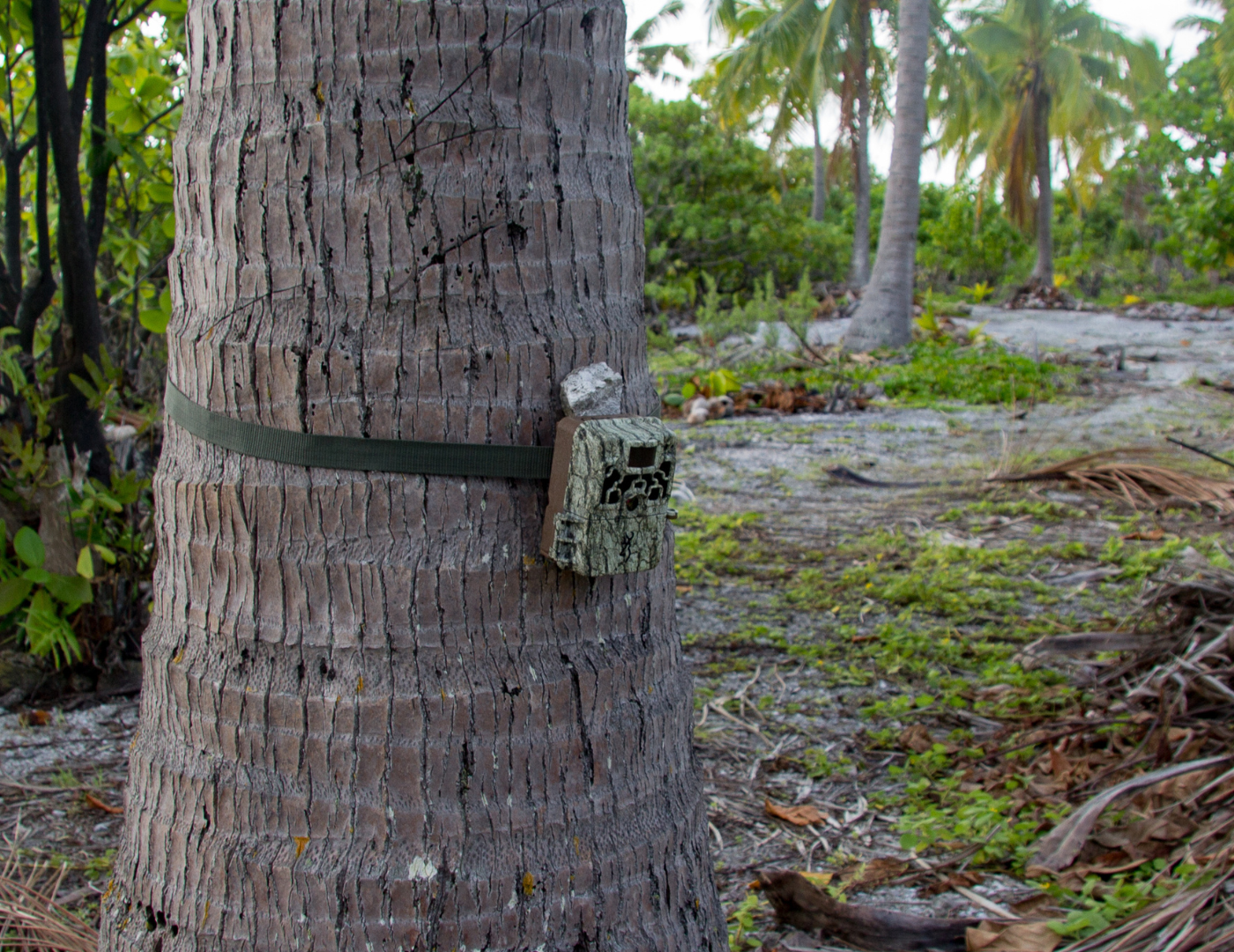
Canine detection was not the Department’s only approach to searching for invasive species. The reports of invasive species sightings quickly triggered a series of protocols to confirm or deny the sightings. Tracking tunnels, traps, and motion detection cameras were put in place. None found an indication of invasive predators. Giddy commented:
It’s the best result, and great to test our response protocols and keep us on our toes.
Island Conservation also uses detection dogs to confirm the completion of projects. Dogs let us know that all the hard work that we and our partners have done to remove invasive species from an island has been accomplished. Thanks to detection dogs, conservation biologists can know for a fact that an island is predator-free.
Featured photo: Training a canine in the Galapagos. Credit: Rebecca Ross
Source: Scoop New Zealand
Check out other journal entries we think you might be interested in.
December 22, 2025
Elke Windschitl, our Conservation Impact Data Specialist, gives us the lowdown on

October 29, 2025
Astounding evidence of recovery on Ulong Island in Palau after just one year!
June 13, 2025
Our partner Conservation X Labs has joined the IOCC, committing to deploying transformative technology to protect island ecosystems!
May 19, 2025
Read our position paper on The 3rd United Nations Ocean Conference (UNOC 3) to see why we're attending and what we aim to accomplish!
December 4, 2024
Ann Singeo, founder of our partner organization the Ebiil Society, shares her vision for a thriving Palau and a flourishing world of indigenous science!
November 22, 2024
This historic agreement aims to protect the marine and coastal areas of the Southeast Pacific.
November 18, 2024
Our projects to restore key islets in Nukufetau Atoll forecast climate resilience and community benefits in Tuvalu!
October 3, 2024
Island Conservation and partners have published a new paper quantifying ecosystem resilience on restored islands!
September 10, 2024
Climate Week NYC: what is it and why is it important? Read on to find out why Island Conservation is attending this amazing event!
September 5, 2024
With sea levels on the rise, how are the coastlines of islands transforming? Read on to find out how dynamic islands really are!