October 29, 2025
Data Shows Endangered Palau Ground Doves Swiftly Recovering After Successful Palauan Island Conservation Effort
Astounding evidence of recovery on Ulong Island in Palau after just one year!
 Island Conservation
Invasive species are one of the leading causes of extinction around the world. This could not be
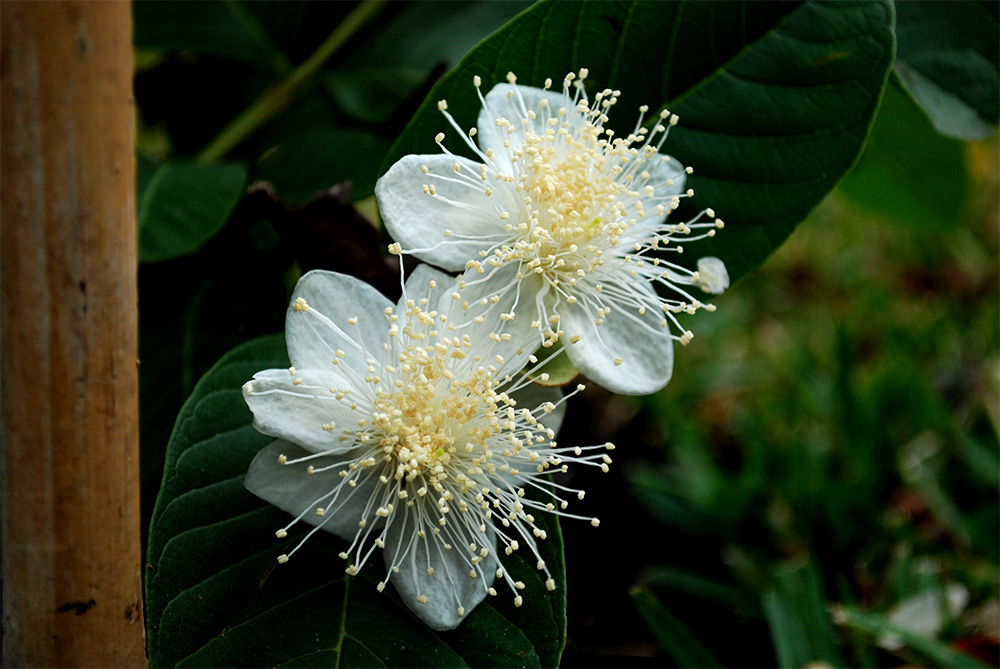
The Guava (Rhodomyrtus
We might be the last people on earth to take a sample of an Australian native Guava in flower.”
Australia is an island large in size and prior to the arrival of the Europeans sometime during the 1600s, it was also largely isolated from the outside world and the introduction of non-native species. So, it isn’t surprising that Professor John Woinarski of Charles Darwin University, says Australia’s geographical location and size leave it “poorly prepared” to handle the introduction of invasive species. Europeans introduced several harmful invasives
Andrew Cox, chief executive of the Invasive Species Council explained:
As a result, we have a higher extinction rate of native mammals than anywhere else in the world.”
This should be an important clue to how integral protecting biodiversity on islands is to the mission of conservation within a global context. More native species are lost on islands due to invasive species than any other threat. In Australia alone, there are some 207 invasive plants, 57 animals, and 3 pathogens that are believed to be impacting a whopping 1,257 threatened native species. As Andrew points out,
Invasives are the major driver of species loss, so if we are worried about extinctions, then we should worry about invasives.”
The outlook may seem bleak, but there is a glimmer of hope as cutting edge technologies seek to assist in saving native flora and fauna; restoring habitats to their natural state in the process. The Centre for Invasive Species Solutions are spearheading a number of potentially novel research projects that include the development of “intelligent” traps that have the capability of discerning between different species as well as DNA techniques that will help researchers to detect invasive species presence more quickly.
These techniques might be beneficial to the Guava as well. Research published in the European Journal of Plant Pathology in March 2018 outlined a potentially effective early detection method that showed promise in both laboratory and field settings. These are just a few of the ways scientists are seeking to conserve and protect native species and with continued innovation, we might see a brighter future for Australia and ultimately, the world.
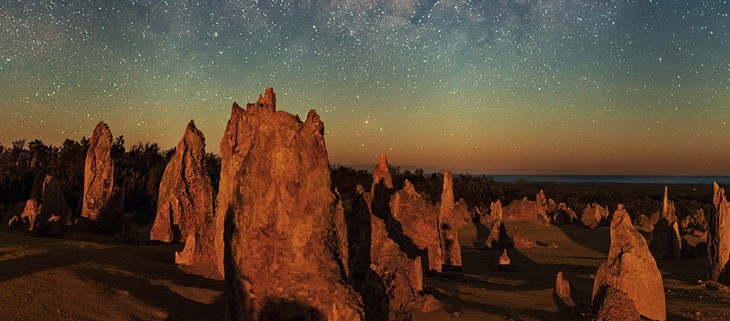
Featured photo: Moonlit Milky Way – Pinnacles Desert, Western Australia Credit: Trevor Dobson
Source: The Guardian
Check out other journal entries we think you might be interested in.

October 29, 2025
Astounding evidence of recovery on Ulong Island in Palau after just one year!
June 13, 2025
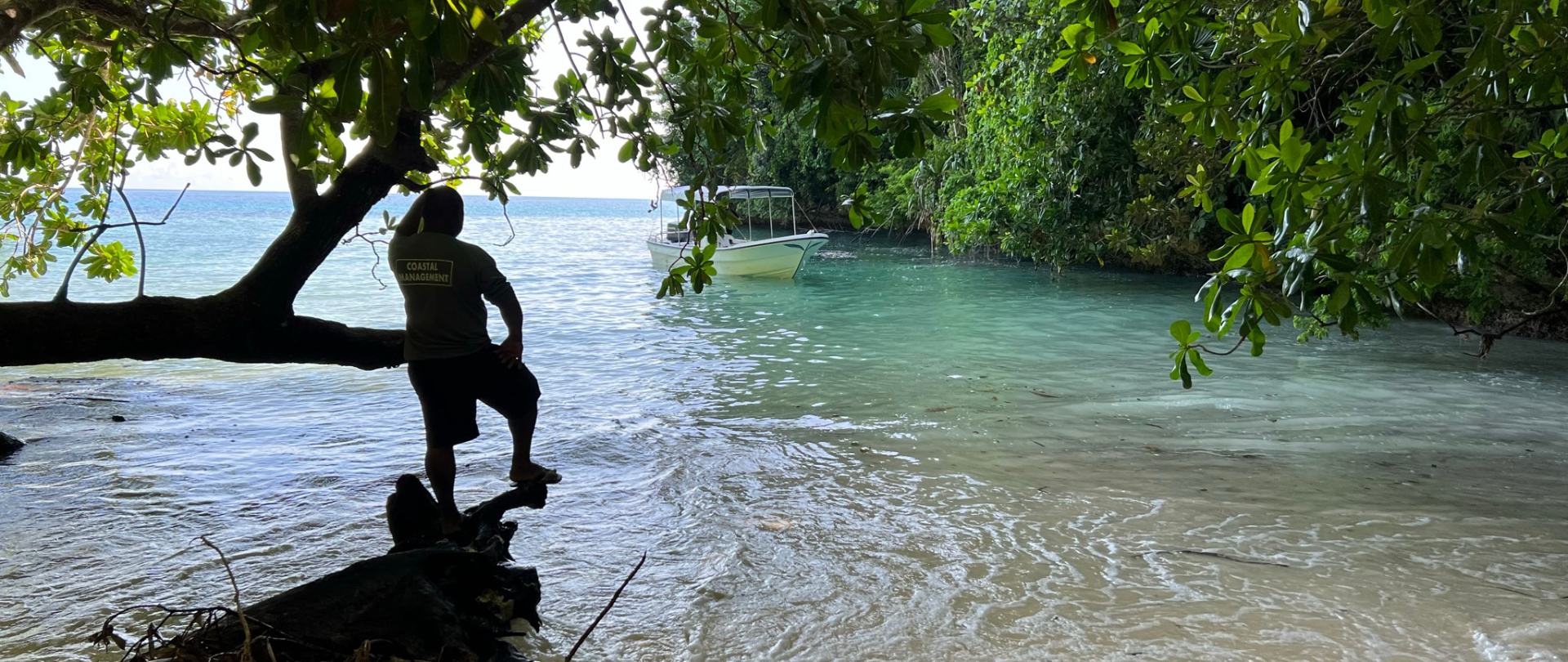
Our partner Conservation X Labs has joined the IOCC, committing to deploying transformative technology to protect island ecosystems!
May 19, 2025
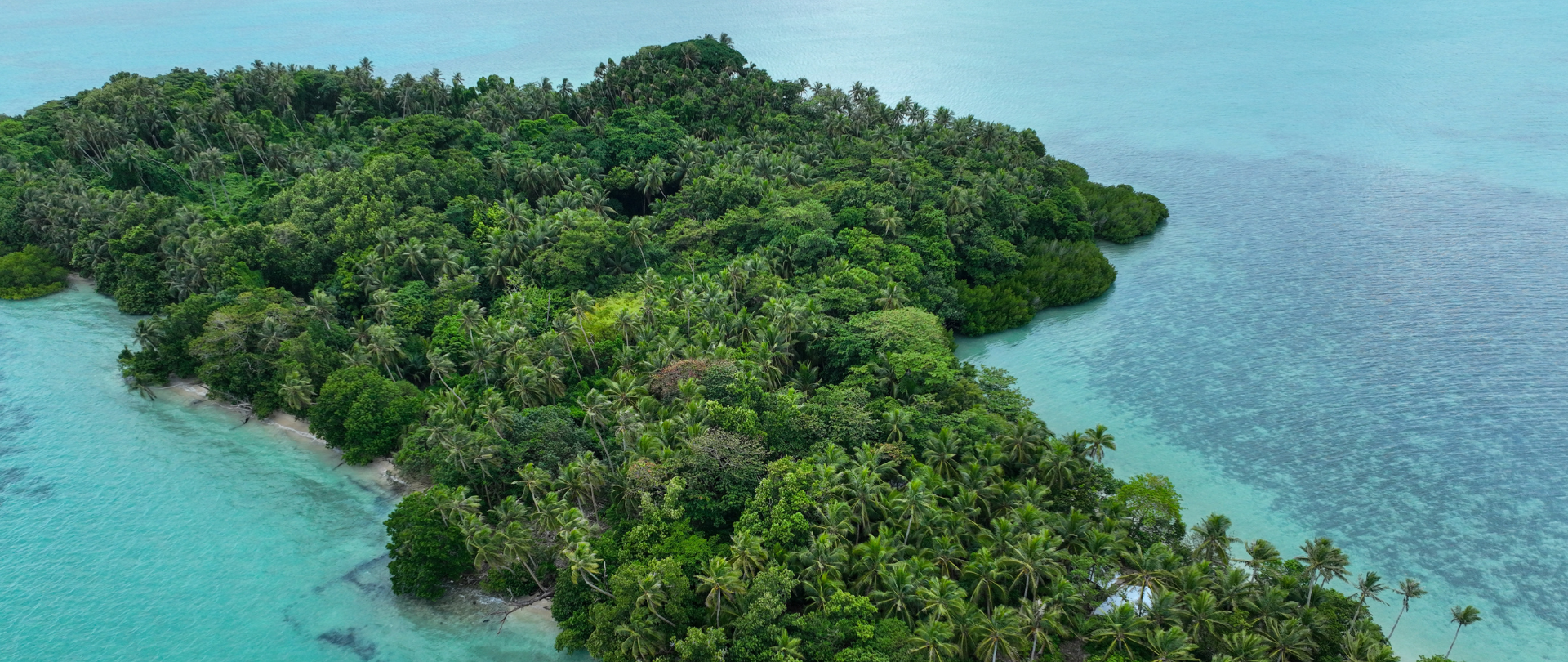
Read our position paper on The 3rd United Nations Ocean Conference (UNOC 3) to see why we're attending and what we aim to accomplish!
December 4, 2024
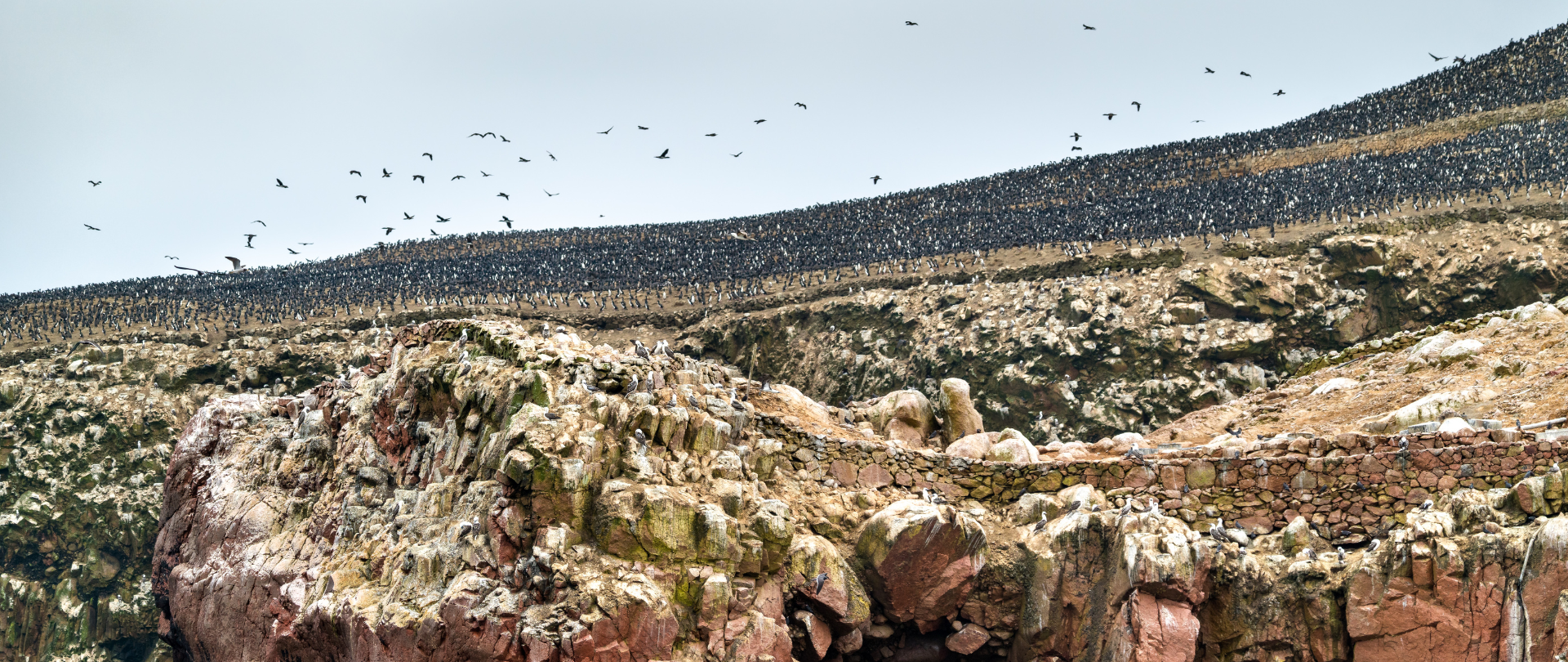
Ann Singeo, founder of our partner organization the Ebiil Society, shares her vision for a thriving Palau and a flourishing world of indigenous science!
November 22, 2024
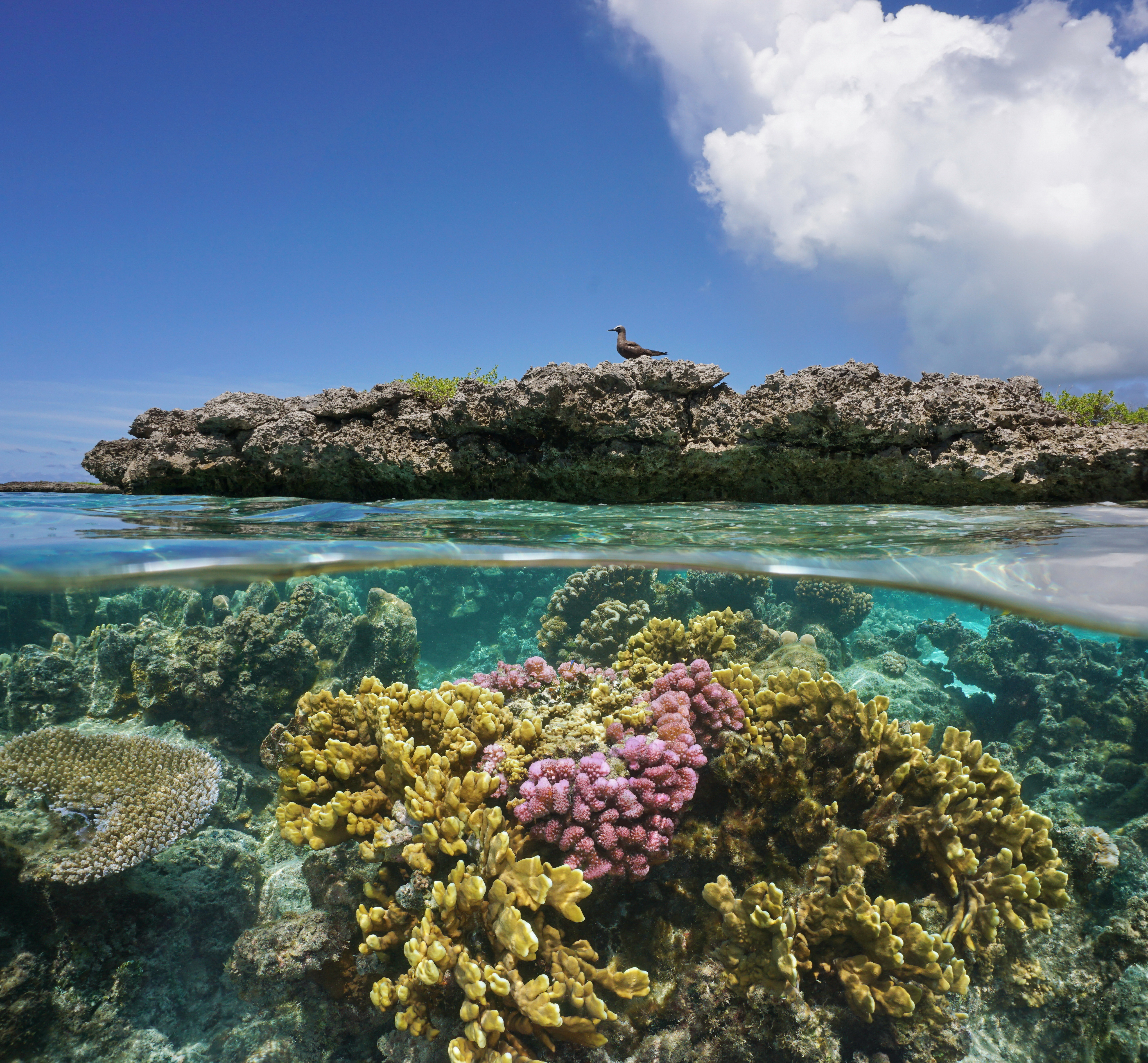
This historic agreement aims to protect the marine and coastal areas of the Southeast Pacific.
November 18, 2024
Our projects to restore key islets in Nukufetau Atoll forecast climate resilience and community benefits in Tuvalu!
October 3, 2024
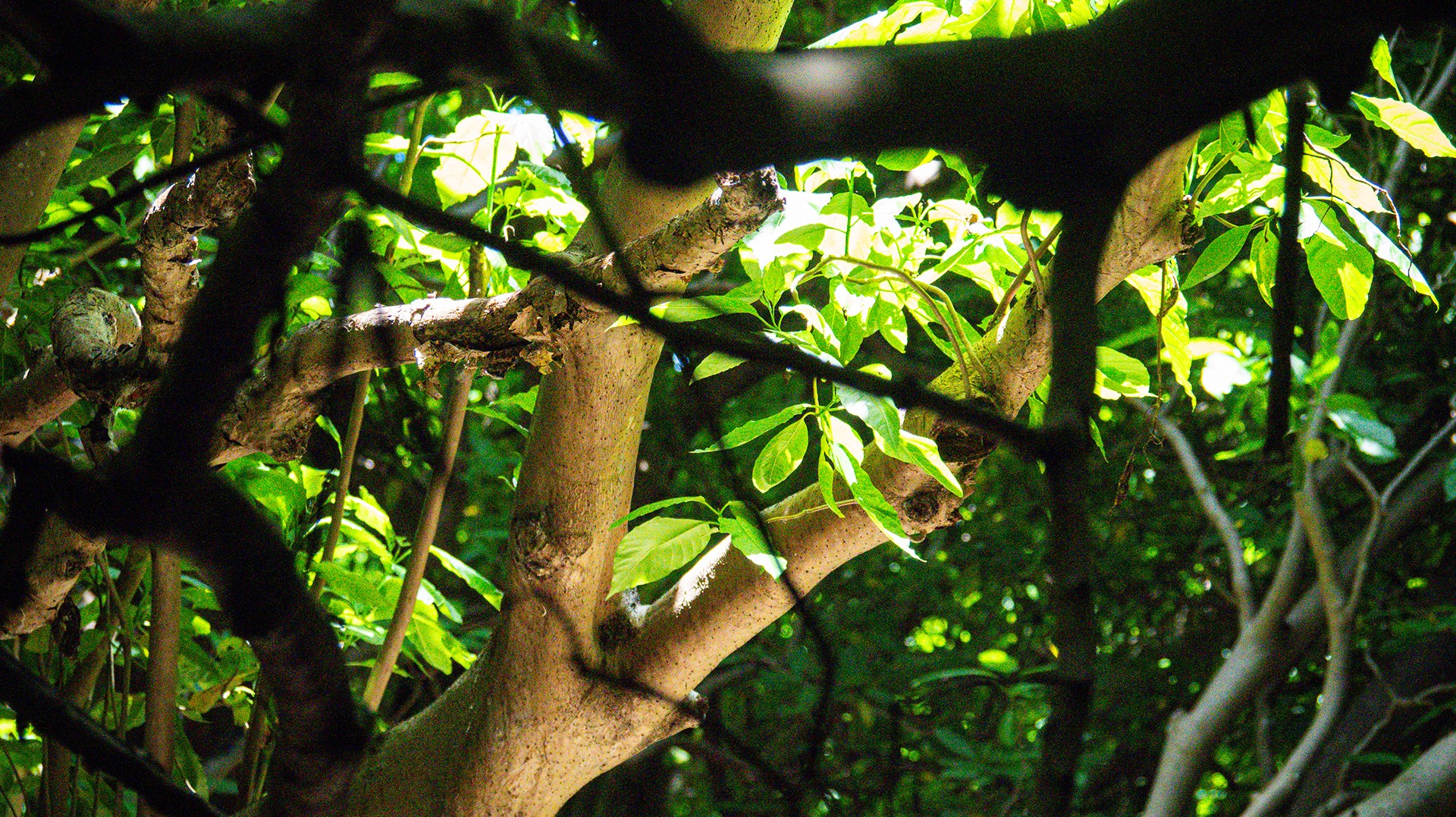
Island Conservation and partners have published a new paper quantifying ecosystem resilience on restored islands!
September 10, 2024
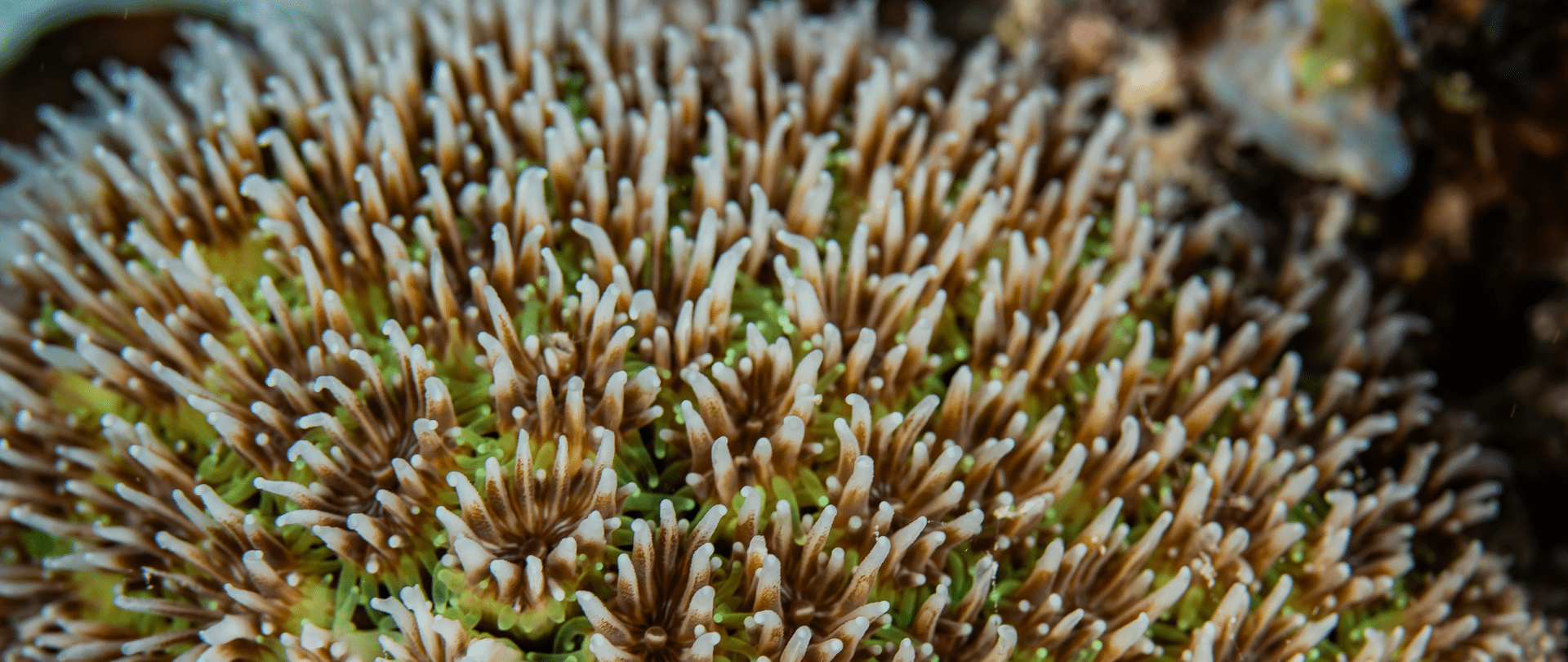
Climate Week NYC: what is it and why is it important? Read on to find out why Island Conservation is attending this amazing event!
September 5, 2024
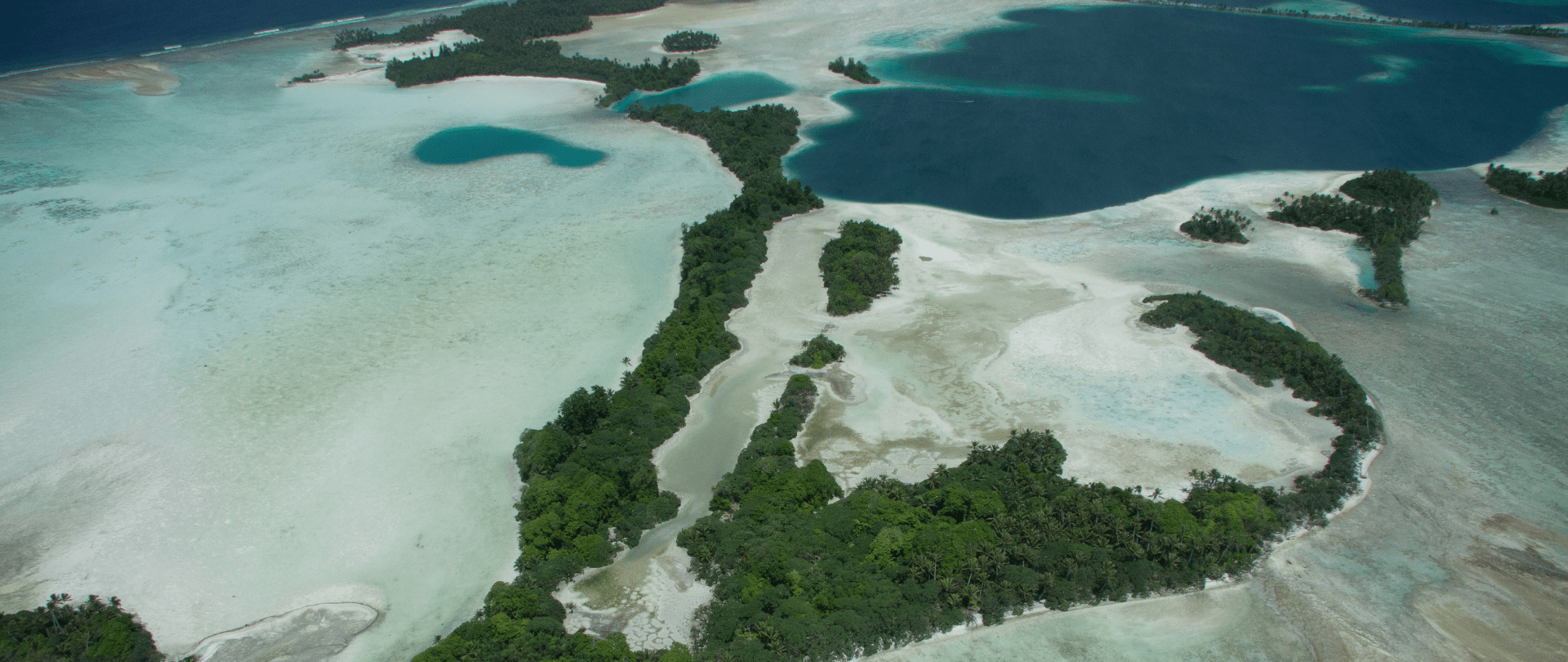
With sea levels on the rise, how are the coastlines of islands transforming? Read on to find out how dynamic islands really are!

December 14, 2023
Join us in celebrating the most amazing sights from around the world by checking out these fantastic conservation photos!