August 4, 2026
Rapa Nui Advances Community-Led Management of Marine Protected Areas with New Conservation Partnerships
Indigenous-led conservation takes a leap forward with Rapa Nui (Easter Island)'s new partnership with Island Conservation!
 Island Conservation
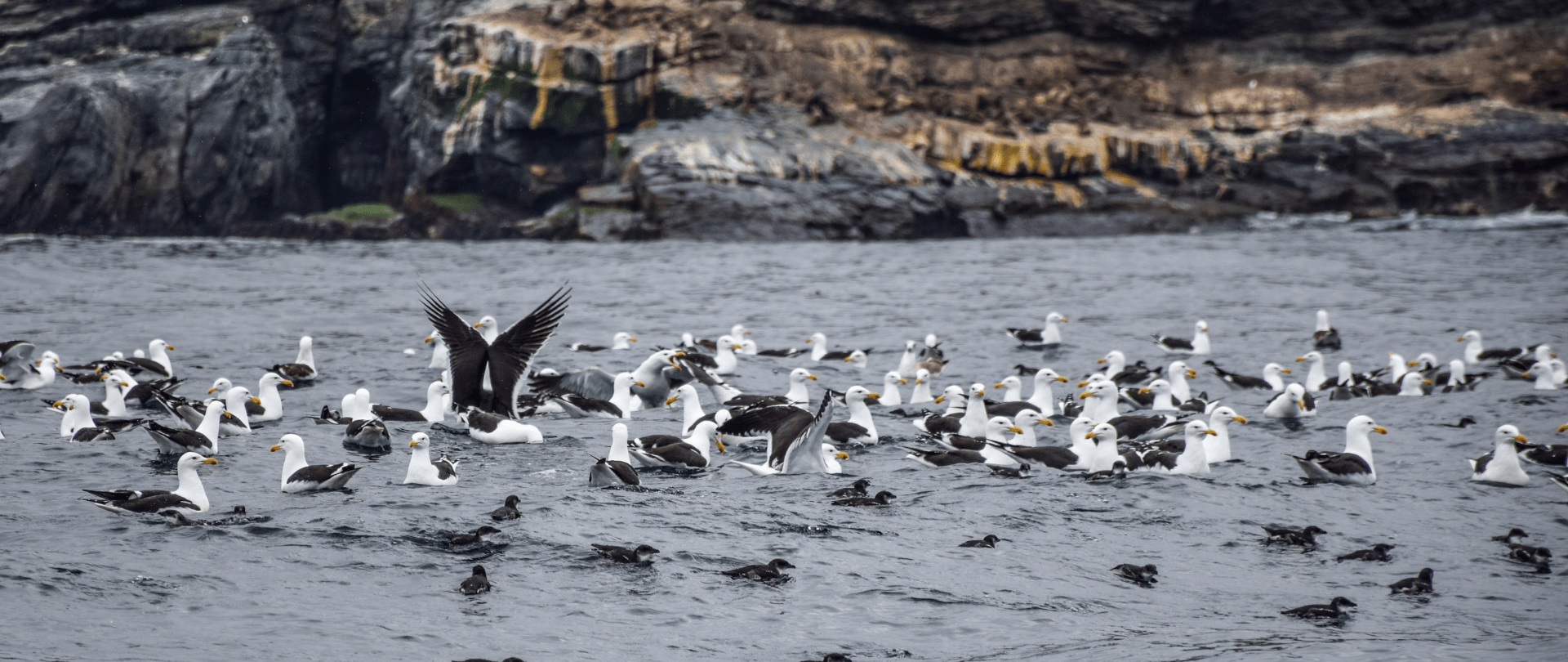
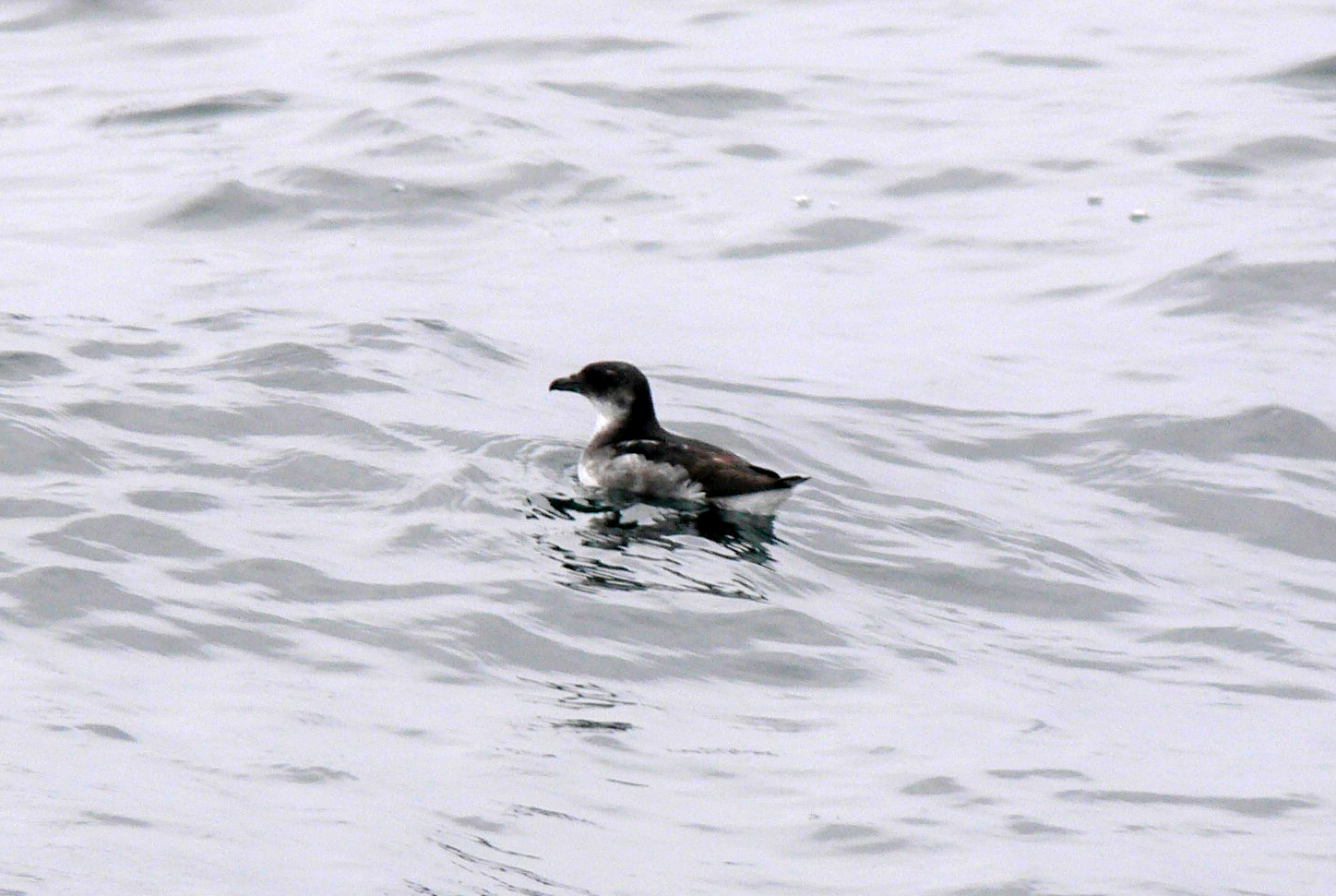
For the first time in over four decades, the Peruvian Diving-petrels (know locally as ‘yuncos’) have four active natural nests on Chañaral Island, Chile marking a significant milestone in the recovery of this threatened species. The island, once ravaged by invasive species, has seen a resurgence in its seabird population following the successful removal of invasive rabbits in 2017. This achievement is the result of a collaborative effort between nonprofit organization Island Conservation, Chile’s National Forestry Corporation (CONAF), and Laboratorio de Ecología y Diversidad de Aves Marinas from the Universidad Católica del Norte. Last year, the partners announced the first seabird chick on the island in over 40 years.
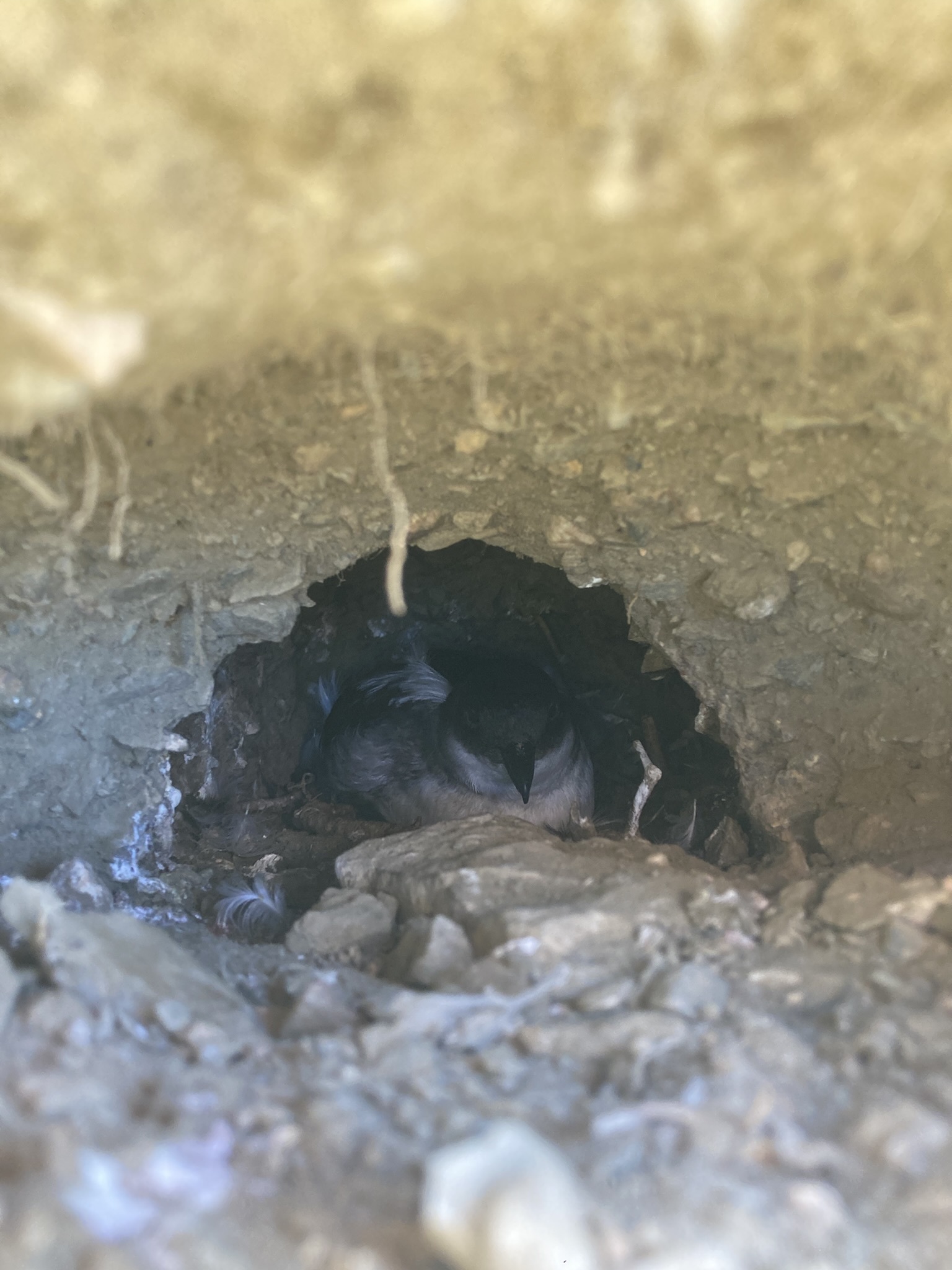
During a recent visit to Chañaral Island, representatives from CONAF and Island Conservation observed the progress of the Peruvian Diving-petrel social attraction project. The team discovered four active natural nests, including two with chicks, one with an adult, and a fourth with a fledgling. This breakthrough offers hope for a species that was classified as “endangered” by the International Union for the Conservation of Nature (IUCN) just four years ago. Thanks to the removal of invasive species and social attraction efforts, this seabird is now classified as “near threatened”.
“The return of seabirds to Chañaral Island is not only important for the species population, but vital to the overall ecosystem health,” said Island Conservation Island Restoration Specialist María José Vilches. “Seabirds are critical connectors between the land and the sea, fertilizing the soil with their guano and nourishing the near-shore marine environment. It is incredibly encouraging to see the petrels returning to their island home to nest.”
Following removal of invasive rabbits, scientists at Island Conservation implemented social attraction tools to encourage birds to return. This included solar-powered speakers that play petrel calls, a sign to passing individuals of high-quality nesting habitat nearby.
“The success of the social attraction tools used in the restoration of the Peruvian Diving-petrel colonies on Chañaral Island has been supported by evidence from parallel sites without sound systems where no signs of petrels have been recorded,” said Chañaral Island Park Ranger in the Humboldt Penguin National Reserve Cristian Rivera. “These innovations are the first of their kind on a Chilean island and demonstrate the effectiveness of this tool. Within two days of the sounds systems being implemented, petrels began arriving to explore the island.”
Chañaral Island was once home to a thriving reproductive colony of Peruvian Diving-petrels until the introduction of invasive rabbits and foxes in the last century led to their local extinction, wiping out approximately 100,000 pairs. Invasive foxes fed on the native seabirds while invasive rabbits eroded their nesting habitat. Though invasive foxes were removed decades ago, invasive rabbits persisted, degrading the habitat and preventing the petrels from nesting.
The Humboldt Penguin National Reserve, which encompasses Chañaral Island, is now free of invasive mammals, creating a favorable environment for the recovery of the Peruvian Diving-petrel colony and the island’s health.
This achievement on Chañaral adds to the growing body of successful restoration and rewilding efforts for seabirds worldwide. There have been over 1,000 island invasive species removal projects, all resulting in long term benefits to native species and other 851 seabird restoration projects targeting 138 seabird species.
“The presence of these new nests gives us hope that recolonization on islands using social attraction techniques can be successful in the medium and long term, mainly when there is good communication, coordination and disposition between the different institutions,” said Claudia Fernández Zamora, associate professor at Universidad Católica del Norte.
“Social attraction can help speed the recovery of seabird populations, thus restoring the natural island ecosystem processes and making these sites more resilient to the impacts of climate change,” said Island Conservation Conservation Program Science Manager Coral Wolf. “Once invasive species have been removed from islands, seabird populations can be – and have been – restored with remarkable success. We’re beginning to see this on Chañaral Island, and I can now envision a not-too-faraway future where we carry these sound systems away, when the birds don’t need them anymore.”
Resources:
Photos and videos, interviews available upon request
Media Contact:
Sally Esposito, Island Conservation, Strategic Director of Communications. Sally.Esposito@islandconservation.org
Background:
Chile’s National Forestry Corporation (CONAF) is a private law entity under the Ministry of Agriculture, whose main task is to administer Chile’s forestry policy and promote the development of the sector. CONAF’s mission is to contribute to Chile’s development through the sustainable use of forest ecosystems, the mitigation of the climate change, the promotion and enforcement of forestry and environmental laws, protect natural resources, and administrate the wildlife areas protected by the government for the generations to come. Learn more at conaf.cl.
Island Conservation is the world’s only international non-profit conservation organization dedicated solely to restoring islands for nature and people worldwide. Island Conservation is committed to a holistic island-marine ecosystem restoration method that combines efforts to improve community livelihoods, manage invasive species, and reintroduce native species. Learn more about us at www.islandconservation.org.
About the Reserve
The Humboldt Penguin National Reserve is situated 600km (372.8 miles) north of Santiago, Chile. The Reserve is managed and protected by CONAF.
Por primera vez en más de cuatro décadas, los yuncos tienen cuatro nidos naturales activos en la isla Chañaral, Chile, lo que marca un hito importante en la recuperación de esta especie amenazada. La isla, que alguna vez fue devastada por especies invasoras, ha experimentado un resurgimiento en su población de aves marinas luego de la exitosa eliminación de conejos invasores en 2017. Este logro es el resultado de un esfuerzo de colaboración entre la organización sin fines de lucro Island Conservation, la Corporación Nacional Forestal de Chile (CONAF), y el Laboratorio de Ecología y Diversidad de Aves Marinas de la Universidad Católica del Norte. El año pasado, los socios anunciaron la llegada del primer polluelo de ave marina a la isla en más de 40 años.
Durante una reciente visita a la Isla Chañaral, representantes de Island Conservation y CONAF observaron los avances del proyecto de atracción social de yunco. El equipo descubrió cuatro nidos naturales activos, dos de ellos con polluelos, uno con un adulto y un cuarto con un juvenil a punto de abandonar el nido. Este avance ofrece esperanza para una especie que estuvo clasificada como “En Peligro” por la Unión Internacional para la Conservación de la Naturaleza (UICN) hasta hace apenas cuatro años. Gracias a los esfuerzos para la remoción de especies invasoras y de atracción social, esta ave marina ahora está clasificada como “casi amenazada”. Sin embargo, en Chile sigue estando considerada dentro de la categoría “En Peligro” por el Ministerio de Medio Ambiente.
“El regreso de las aves marinas a la Isla Chañaral no sólo es importante para la población de la especie, sino también vital para la salud general del ecosistema”, dijo María José Vilches, Especialista en Restauración de Islas para Island Conservation. “Las aves marinas son conectores fundamentales entre la tierra y el mar, fertilizan el suelo con su guano y nutren el entorno marino cercano a la costa. Es increíblemente alentador ver a los yuncos regresar a esta isla a nidificar”.
Tras la eliminación de los conejos invasores, los científicos de Island Conservation implementaron herramientas de atracción social para alentar a las aves a regresar. Esto incluyó parlantes alimentados por energía solar que reproducen las vocalizaciones del yunco, una señal de atracción para los individuos que pasan por un hábitat de anidación de alta calidad cercano.
“El éxito de las herramientas de atracción social utilizadas en la restauración de las colonias de yunco, en la Isla Chañaral ha sido respaldado por evidencia de sitios paralelos sin sistemas de sonido donde no se han registrado signos de yunco”, dijo el guardaparque de la Isla Chañaral en el Reserva Nacional Pingüino de Humboldt Cristian Rivera. “Estas innovaciones son las primeras de su tipo en una isla chilena y demuestran la efectividad de esta herramienta. A los dos días de implementarse los sistemas de sonido, comenzaron a llegar yuncos para explorar la isla”.
La isla Chañaral alguna vez fue el hogar de una próspera colonia reproductiva de yuncos hasta que la introducción de conejos y zorros invasores en el siglo pasado condujo a su extinción local, eliminando aproximadamente 100.000 parejas. Los zorros invasores se alimentaron de aves marinas nativas mientras que los conejos invasores erosionaron el hábitat de nidificación. Aunque los zorros invasores fueron eliminados hace décadas, los conejos invasores persistieron y continuaron degradando el hábitat del yunco impidiendo que los yuncos anidaran.
La Reserva Nacional Pingüino de Humboldt, que abarca la Isla Chañaral, ahora está libre de mamíferos invasores, creando un ambiente favorable para la recuperación de la colonia de yuncos y la salud de la isla.
Este logro en Chañaral se suma al creciente conjunto de esfuerzos exitosos de restauración y recuperación de aves marinas en todo el mundo. Hay más de 1.000 proyectos de remoción de especies invasoras en islas, los cuales han resultado en beneficios a largo plazo para las especies nativas; y otros 851 proyectos de restauración de aves marinas para proteger 138 especies de aves marinas.
La presencia de estos nuevos nidos nos da esperanza de que la recolonización en islas mediante técnicas de atracción social pueda tener éxito en el mediano y largo plazo, sobre todo cuando existe buena comunicación, coordinación y disposición entre las diferentes instituciones”, dijo Claudia Fernández Zamora, asociada Profesor de la Universidad Católica del Norte.
“La atracción social puede ayudar a acelerar la recuperación de las poblaciones de aves marinas, restaurando así los procesos naturales de los ecosistemas insulares y haciendo que estos sitios sean más resilientes a los impactos del cambio climático”, dijo Coral Wolf, directora científica del Programa de Conservación. “Una vez que las especies invasoras han sido eliminadas de las islas, las poblaciones de aves marinas pueden ser –y han sido– restauradas con notable éxito. Estamos empezando a ver esto en la isla Chañaral, y ahora puedo imaginar un futuro no muy lejano en el que nos llevaremos estos sistemas de sonido, cuando las aves ya no los necesiten.
Recursos:
Fotos y videos, entrevistas disponibles bajo solicitud
Contacto con los medios:
Sally Esposito, Island Conservation, Directora Estratégica de Comunicaciones. Sally.Esposito@islandconservation.org
Información de las instituciones:
La Corporación Nacional Forestal de Chile (CONAF) es una entidad de derecho privado dependiente del Ministerio de Agricultura, cuya tarea principal es administrar la política forestal de Chile y promover el desarrollo del sector. La misión de CONAF es contribuir al desarrollo de Chile a través del uso sustentable de los ecosistemas forestales, la mitigación del cambio climático, la promoción y aplicación de las leyes forestales y ambientales, la protección de los recursos naturales y la administración de las áreas silvestres protegidas por el gobierno para las próximas generaciones. Conozca más enconaf.cl.
Island Conservation es la única organización conservacionista internacional sin fines de lucro del mundo dedicada exclusivamente a restaurar islas para la naturaleza y las personas de todo el mundo. Island Conservation está comprometida con un método holístico de restauración del ecosistema marino e insular que combina esfuerzos para mejorar los medios de vida de las comunidades, gestionar especies invasoras y reintroducir especies nativas. Obtenga más información sobre nosotros en www.islandconservation.org.
Acerca de la Reserva
La Reserva Nacional Pingüino de Humboldt está situada a 600 kilómetros (372,8 millas) al norte de Santiago, Chile. La Reserva es administrada y protegida por CONAF.
Check out other journal entries we think you might be interested in.
August 4, 2026
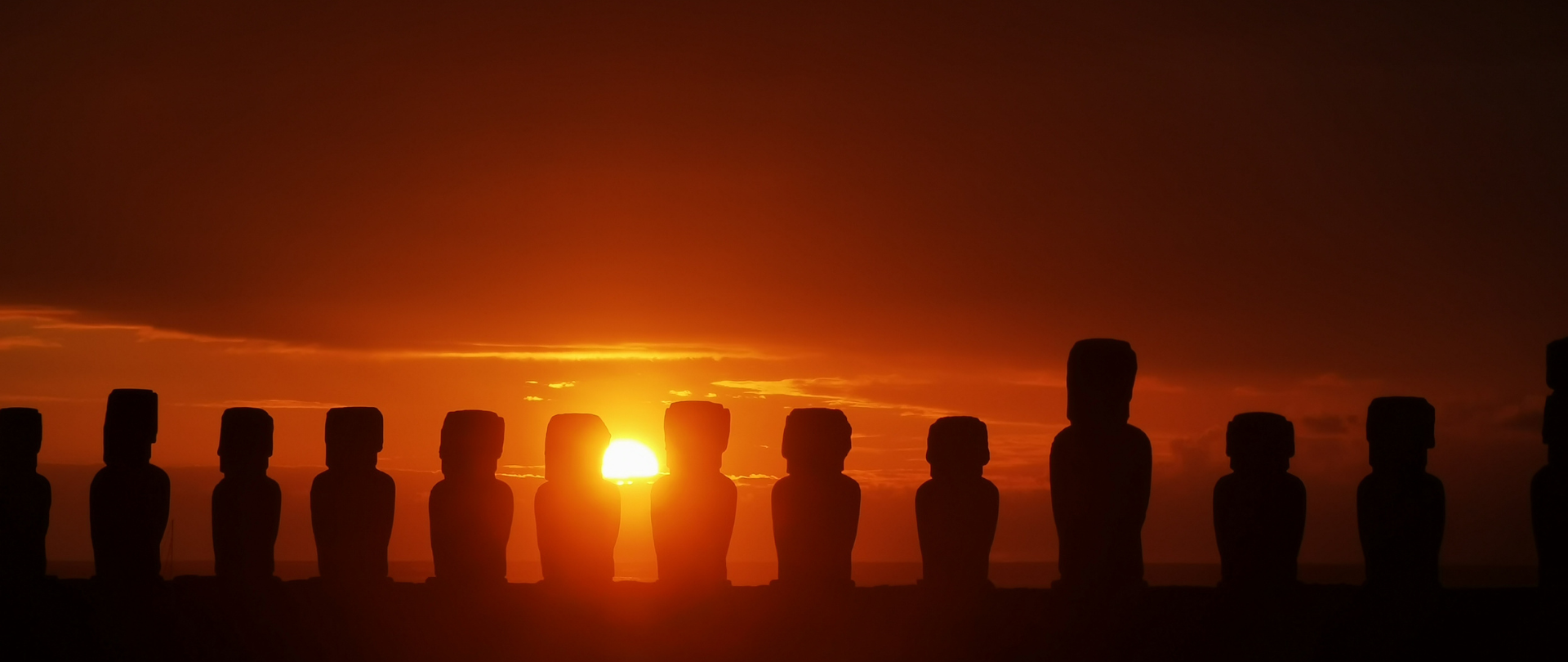
Indigenous-led conservation takes a leap forward with Rapa Nui (Easter Island)'s new partnership with Island Conservation!

July 28, 2026
Happy World Nature Conservation Day! Read Penny Becker's article published by the Outreach Network for Gene Drive Research.
July 9, 2026
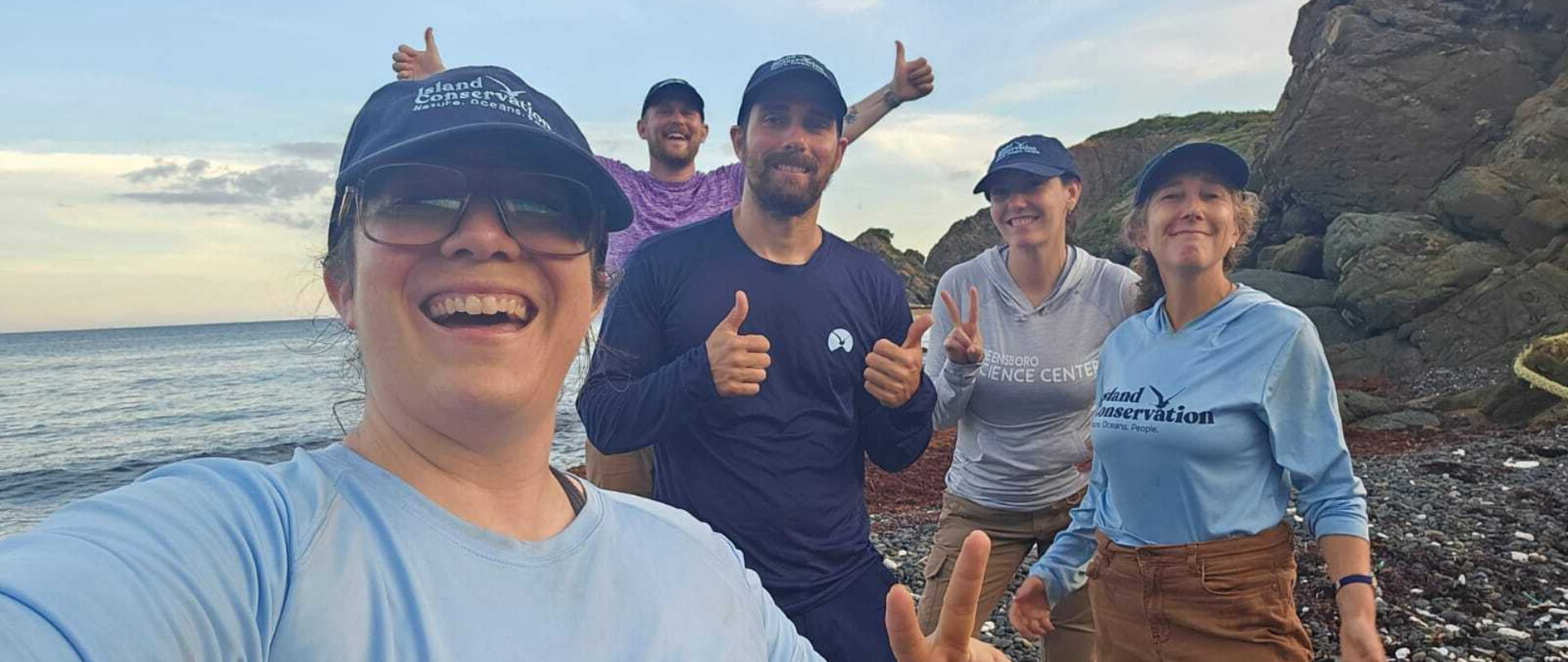
Senior Major Gifts Officer Jen Sachs shares her experience on one of Island Conservation's exciting restoration projects in the US Virgin Islands!
June 23, 2026
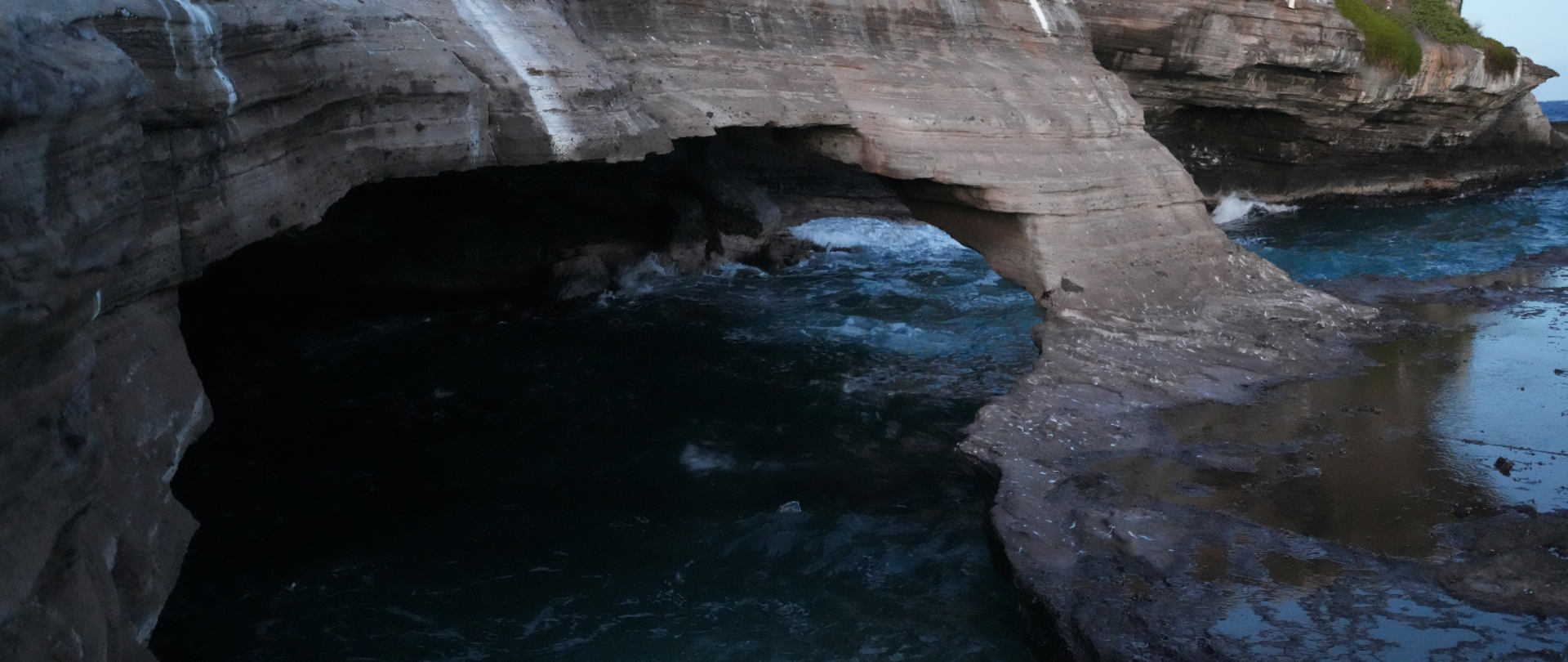
The Island-Ocean Connection Challenge announced four new restoration projects—Lehua, Tavolara, Grand Rouveau, and Zembra—at London Climate Week, expanding its global effort to restore 40 island-ocean ecosystems by 2030!
June 18, 2026
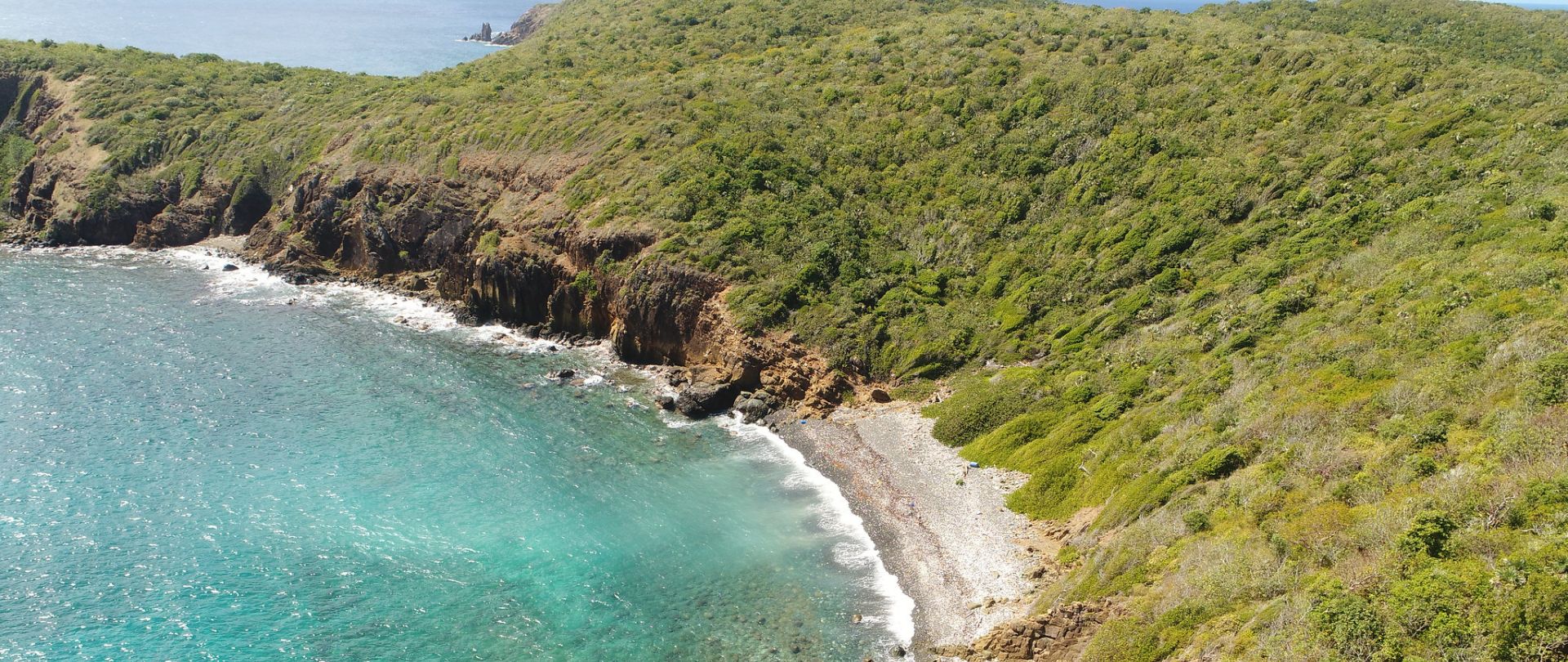
A new project to expand the range of an endangered Tree Boa is one step closer to completion!
June 8, 2026
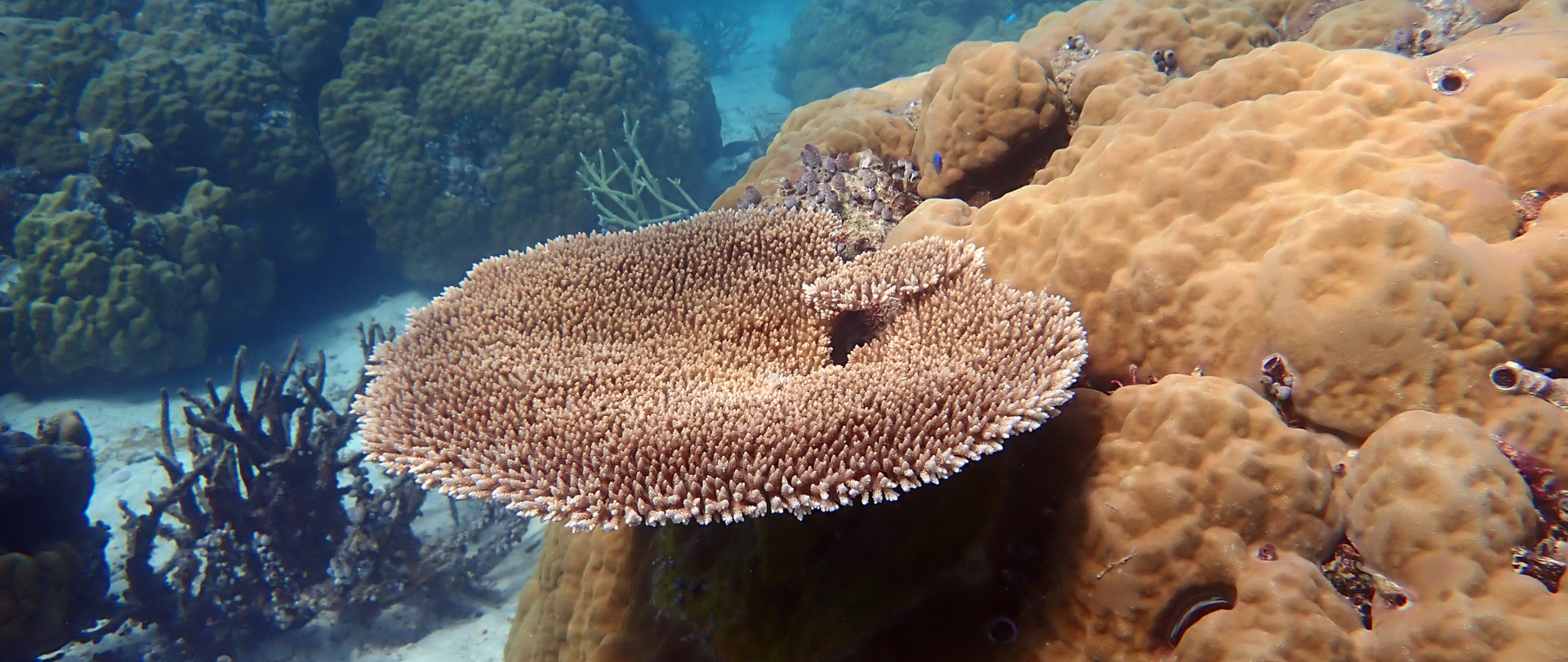
A world-first controlled experiment shows connection between seabird activity and marine health on Ulong Island!
May 20, 2026
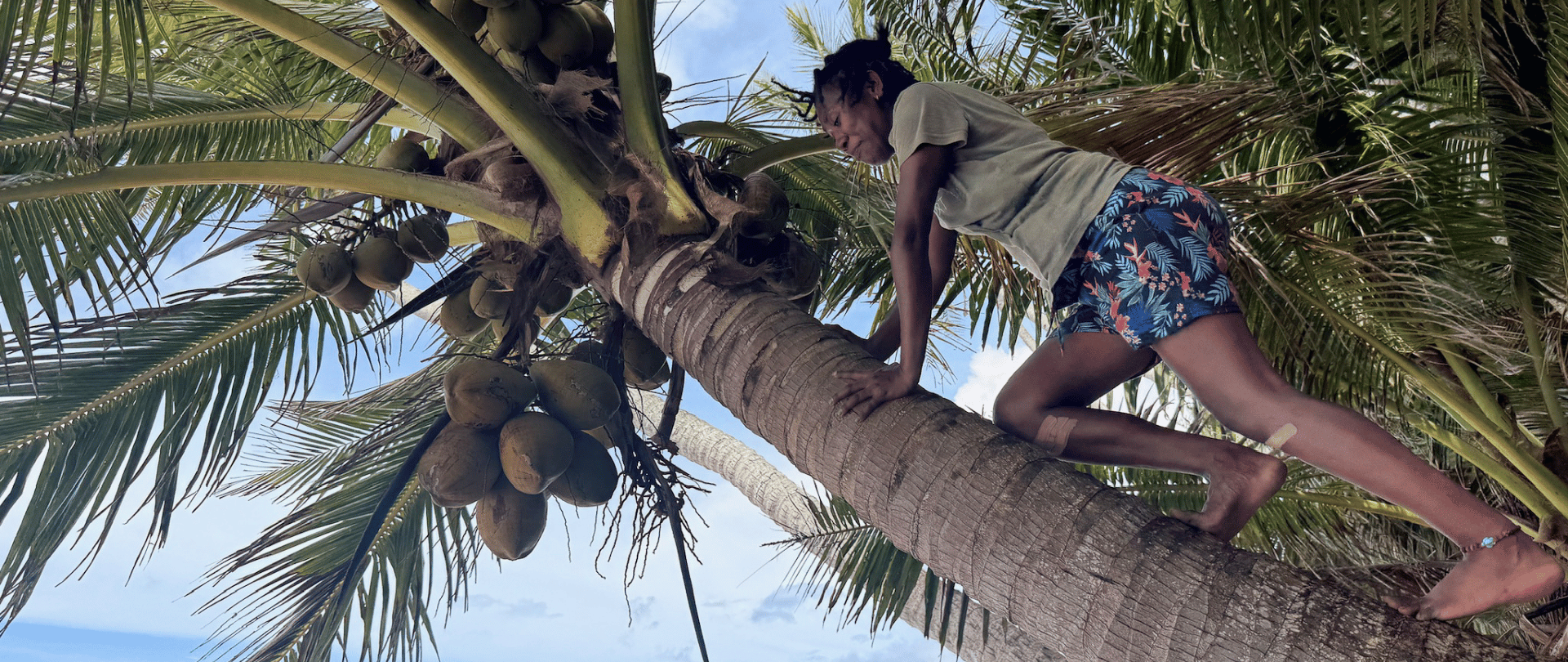
Seasonal Monitoring Specialist Cozette Romero writes about her time working and living on Niulakita in Tuvalu, helping protect the food security and livelihood of an island community!
May 13, 2026
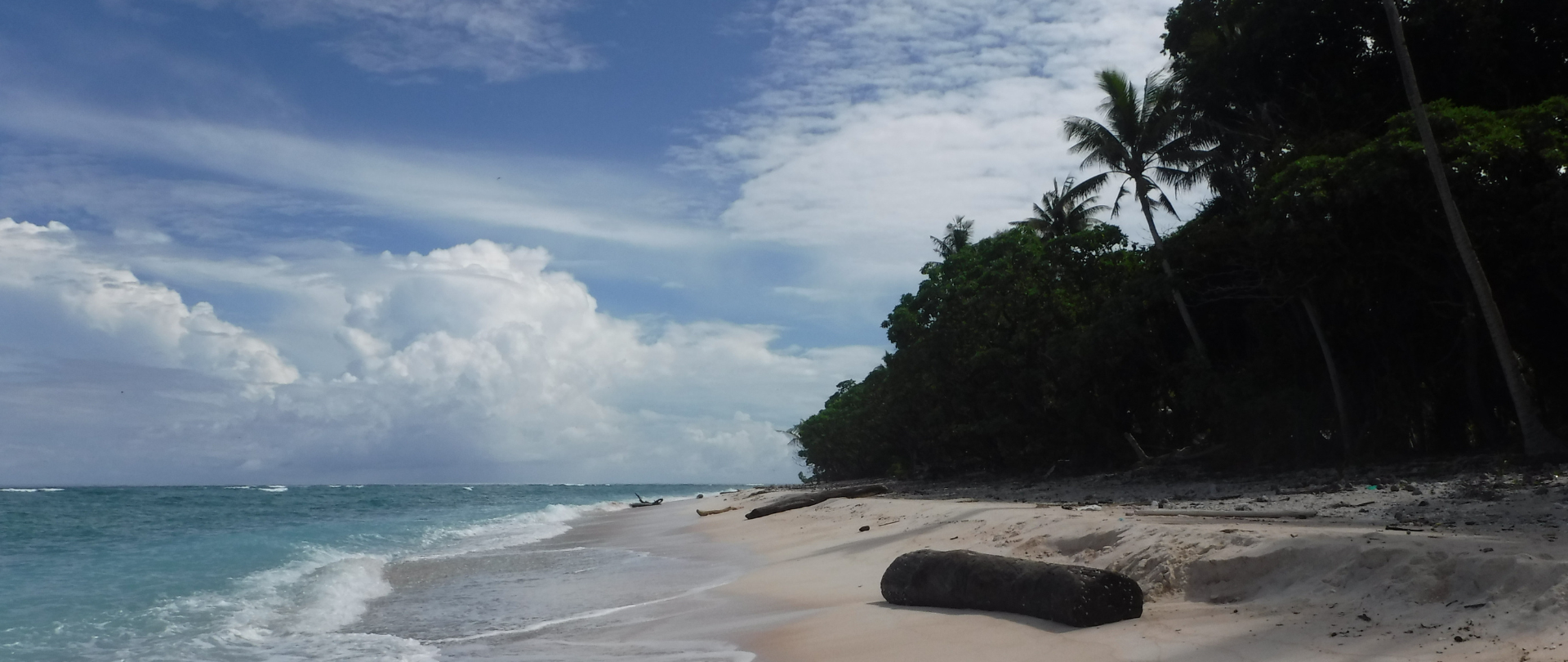
A new project in Sonsorol State, Palau aims to improve livelihoods and climate resilience through holistic environmental restoration!
May 5, 2026
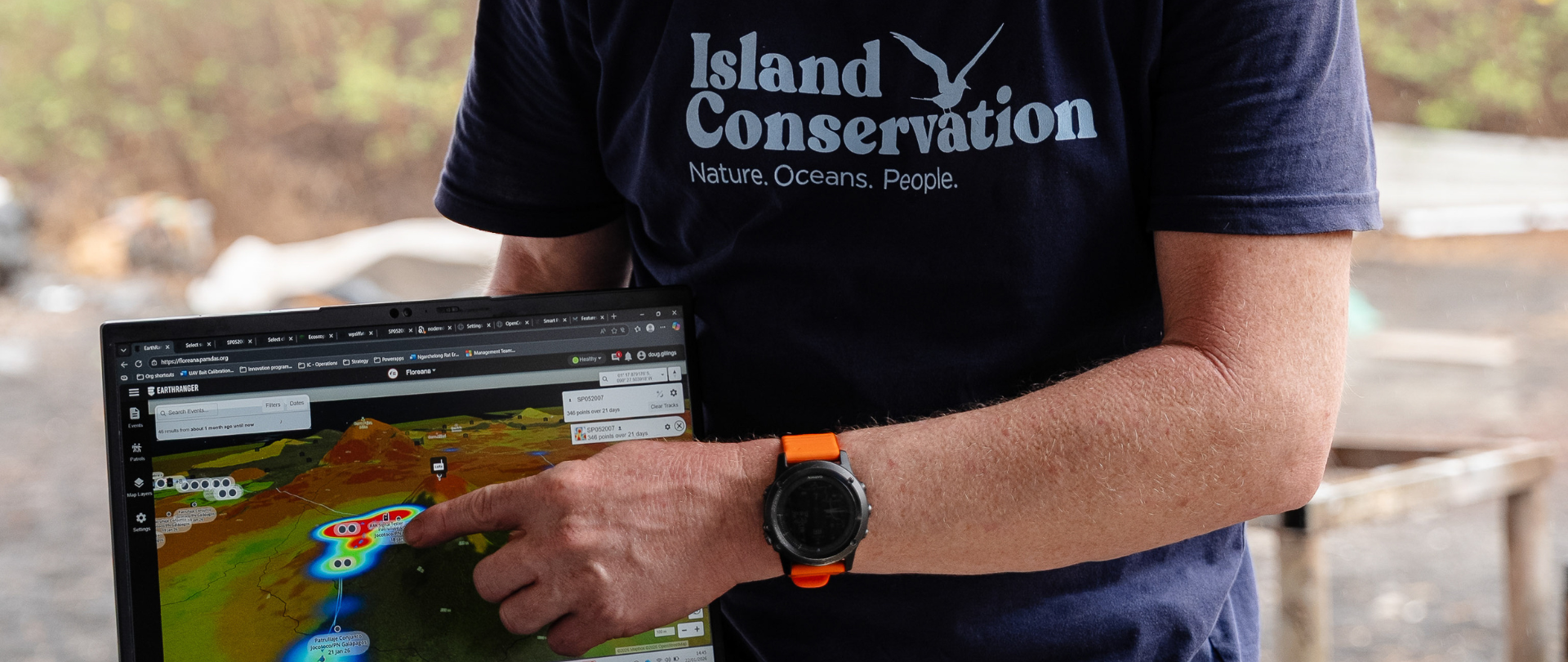
Thrilling new tech brings conservation solutions to a remote island in the Galápagos!
April 14, 2026
A historic moment: Wake Atoll is restored and thriving!