September 17, 2026
Island Conservation and Robinson Crusoe Island, Chile: Growing Hope Together
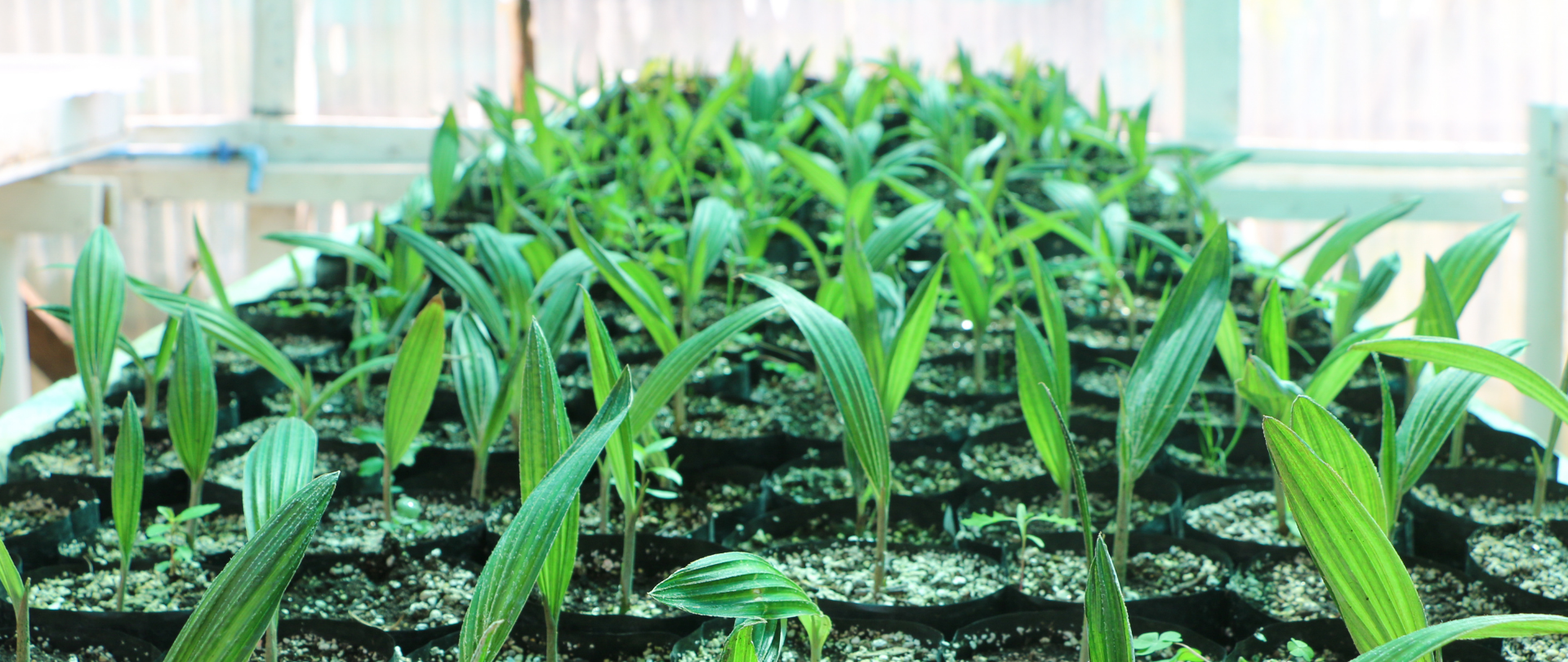
On the island of Robinson Crusoe in Chile, a greenhouse feeds both a community and an islander-led conservation movement!
 Island Conservation
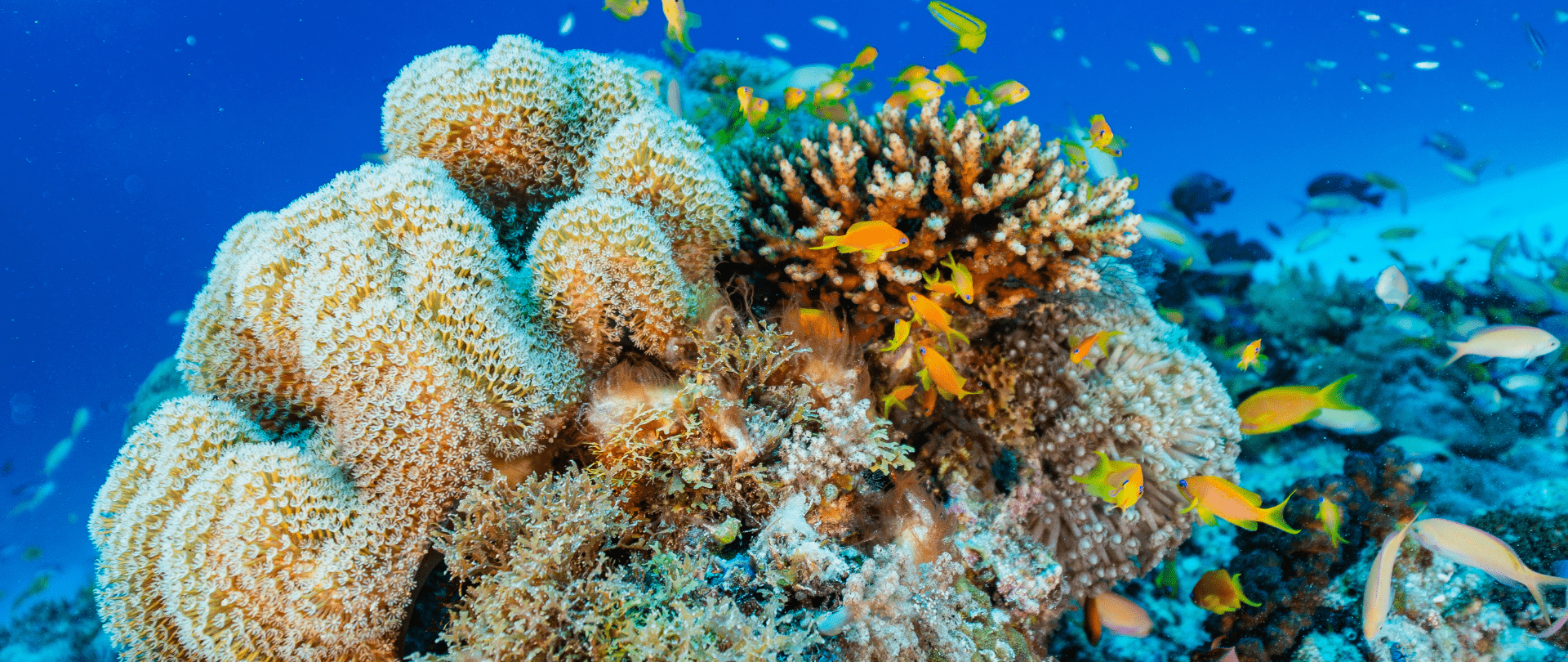
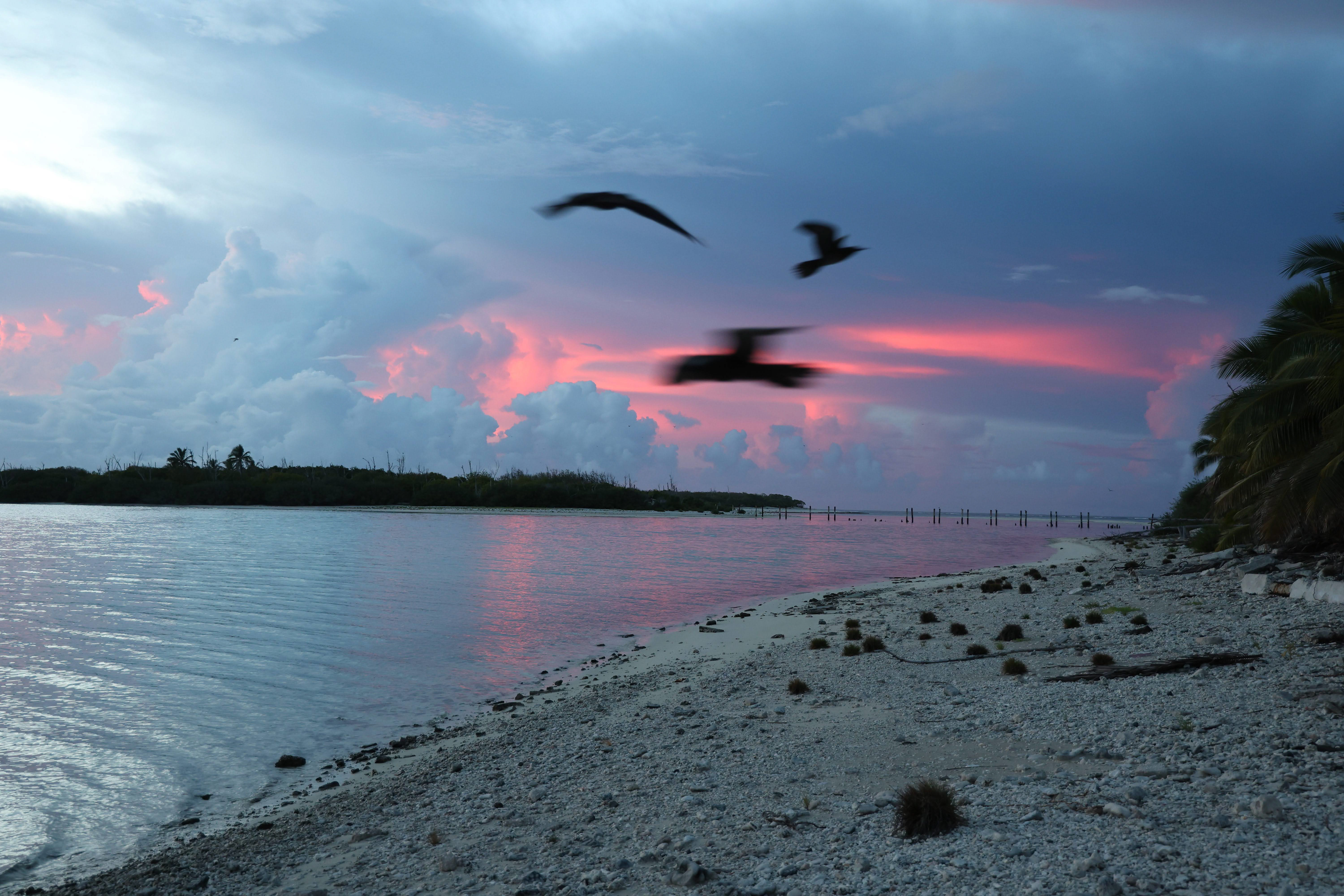
As climate change continues to threaten coral reefs globally, a recent study published in Science sheds light on a natural ally in the fight for reef resilience: seabirds. The connection between seabird-derived nutrient subsidies, invasive species, and coral recovery holds valuable lessons for targeted conservation efforts.
First things first – what are ‘seabird-derived nutrient subsidies’? This refers to the transfer of nutrients from marine environments, where seabirds eat, to terrestrial ecosystems. Seabirds feed in nutrient-rich marine areas and then return to their nesting or roosting sites on land.
Human activities have disrupted the delicate balance of nutrient flows crucial for coral health. Agriculture and waste disposal are two prime examples of things that cause devastating, human-induced consequences for coral reef ecosystems. Increased anthropogenic inputs not only diminish coral resistance to bleaching but also interfere with the natural nutrient subsidies provided by mobile animals (like seabirds), exacerbating the challenges faced by coral reefs.
In contrast to the detrimental impact of human-derived nutrients, seabirds emerge as nutrient providers with a unique offering. You guessed it (well, maybe) – their poop. Alongside urine and their feathers, seabird poop (guano) is a rich nutrient source that seabirds provide to their island homes. Seabirds are carnivorous and consume marine organisms rich in nitrogen and phosphorous. These nutrients are excreted by seabirds in a ratio that is beneficial for corals, potentially making them more resistant to bleaching.
Removing introduced, damaging invasive species from islands takes center stage as a multifaceted conservation approach. Beyond successfully restoring seabird populations, this strategy re-establishes the flow of seabird-derived nutrients to islands and nearby marine environments. This dual benefit positions invasive mammal removal as a potent nature-based solution for bolstering climate change resilience.
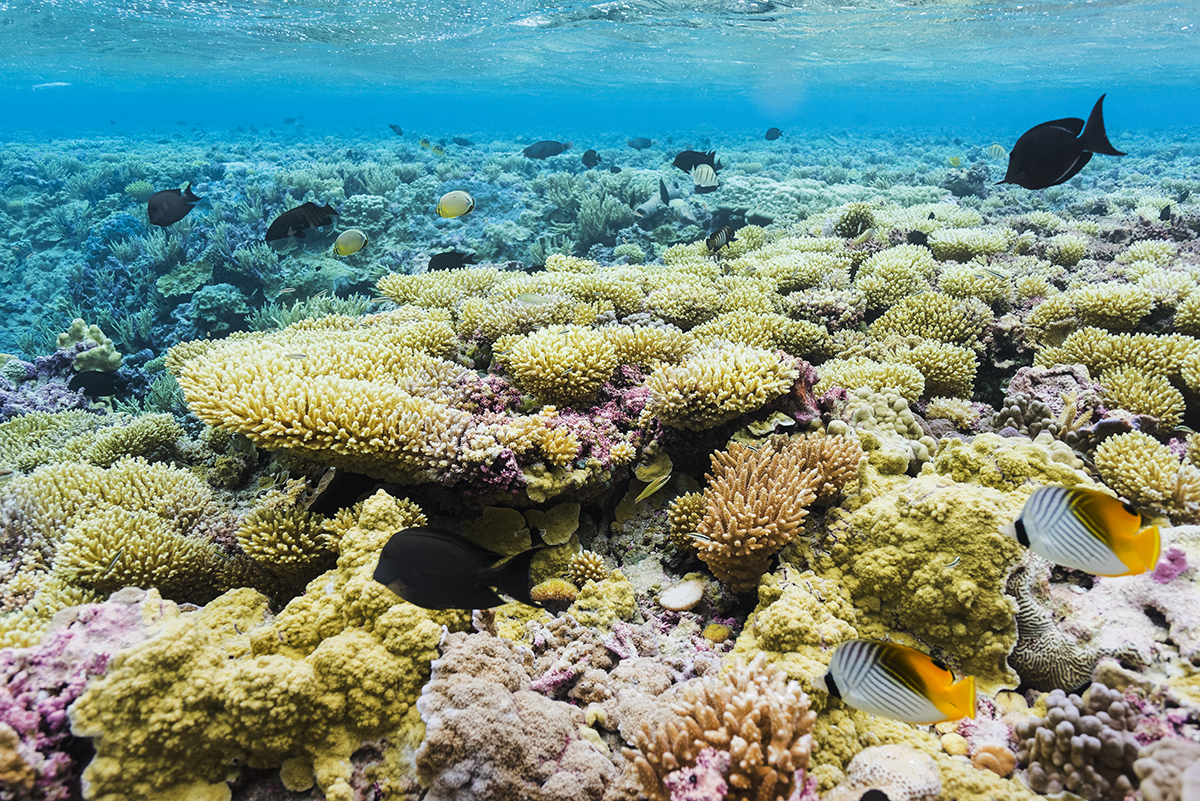
The study unfolds in a remote atoll system in the Indian Ocean, where islands with thriving seabird populations are juxtaposed with those lacking these avian inhabitants due to the presence of invasive rats. This setting provides valuable insights into the nuanced relationship between island ecosystems, seabirds, and coral recovery.
The Findings:
1. Seabird-derived nutrients were successfully assimilated by corals, leading to increased coral growth rates.
2. Corals near seabird islands exhibited higher growth rates compared to those near rat-infested islands, indicating the positive impact of seabird-derived nutrients.
3. Despite limited recruitment, rapid recovery of hard coral cover was observed around seabird islands, outpacing recovery around rat islands.
The study concludes that the restoration of seabird populations and the associated nutrient pathways could contribute to increased resilience in coral reefs through improved growth and recovery rates. Understanding the intricate connection between natural nutrient subsidies, island ecosystems, and coral resilience provides a roadmap for conservation efforts like invasive species removal.
Check out other journal entries we think you might be interested in.
September 17, 2026
On the island of Robinson Crusoe in Chile, a greenhouse feeds both a community and an islander-led conservation movement!

September 9, 2026
El Niño doesn't create weak ecosystems; it reveals them. Find out how resilient islands can survive and bounce back from stress caused by El Niño!

August 25, 2026
A new study reveals the role fungi play in the restoration and recovery of rare, resilient atoll ecosystems!

July 28, 2026
Happy World Nature Conservation Day! Read Penny Becker's article published by the Outreach Network for Gene Drive Research.

July 17, 2026
Three different animals show how connector species prop up island-ocean ecosystems!
July 9, 2026
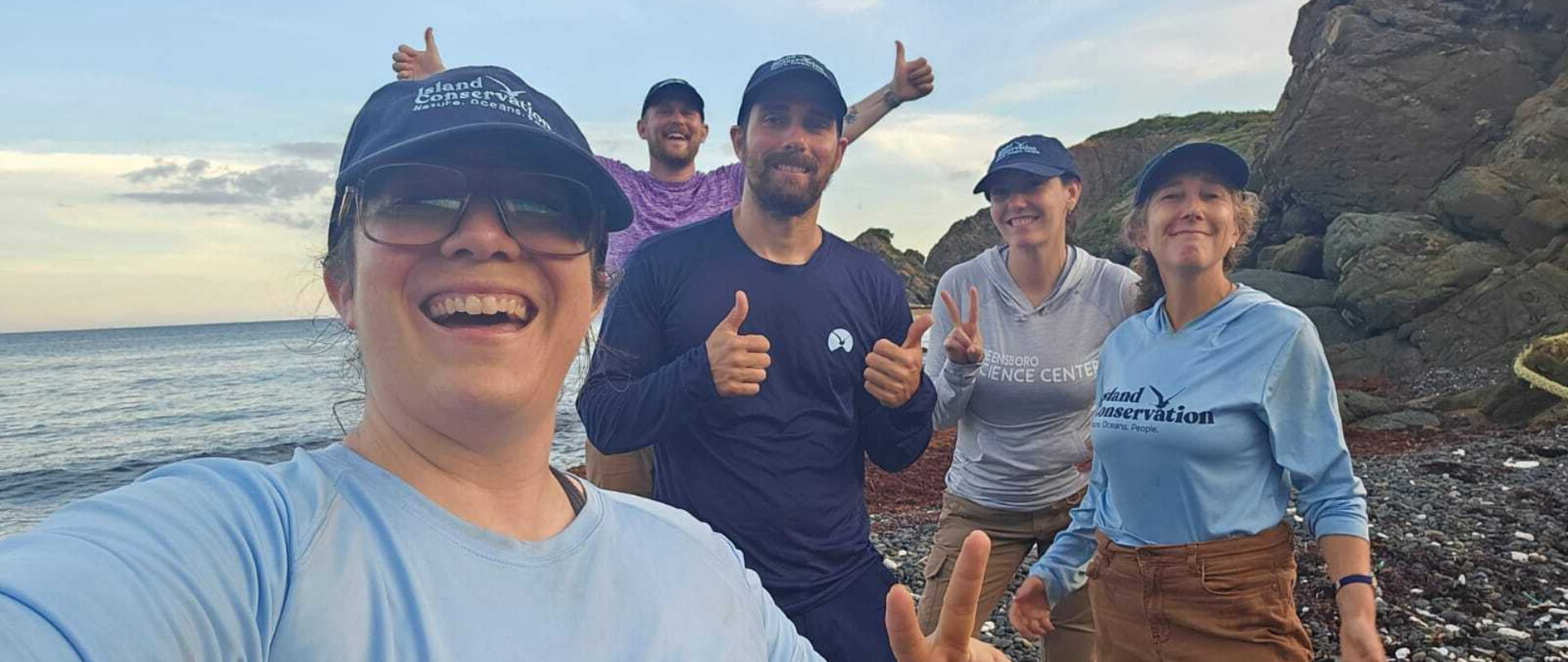
Senior Major Gifts Officer Jen Sachs shares her experience on one of Island Conservation's exciting restoration projects in the US Virgin Islands!
July 2, 2026
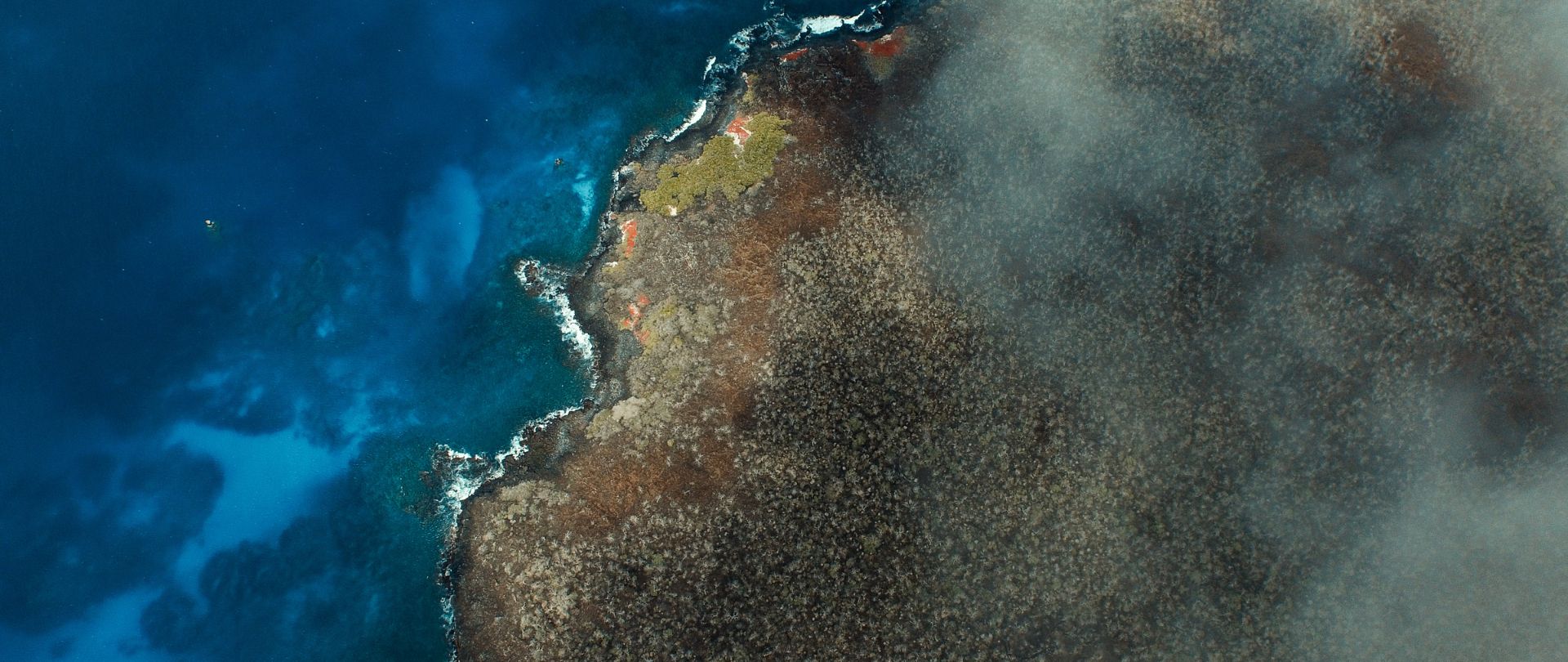
Invasive species have caused over $12 billion in damages to island ecosystems, creating an urgent need for strengthened biosecurity measures!
June 23, 2026
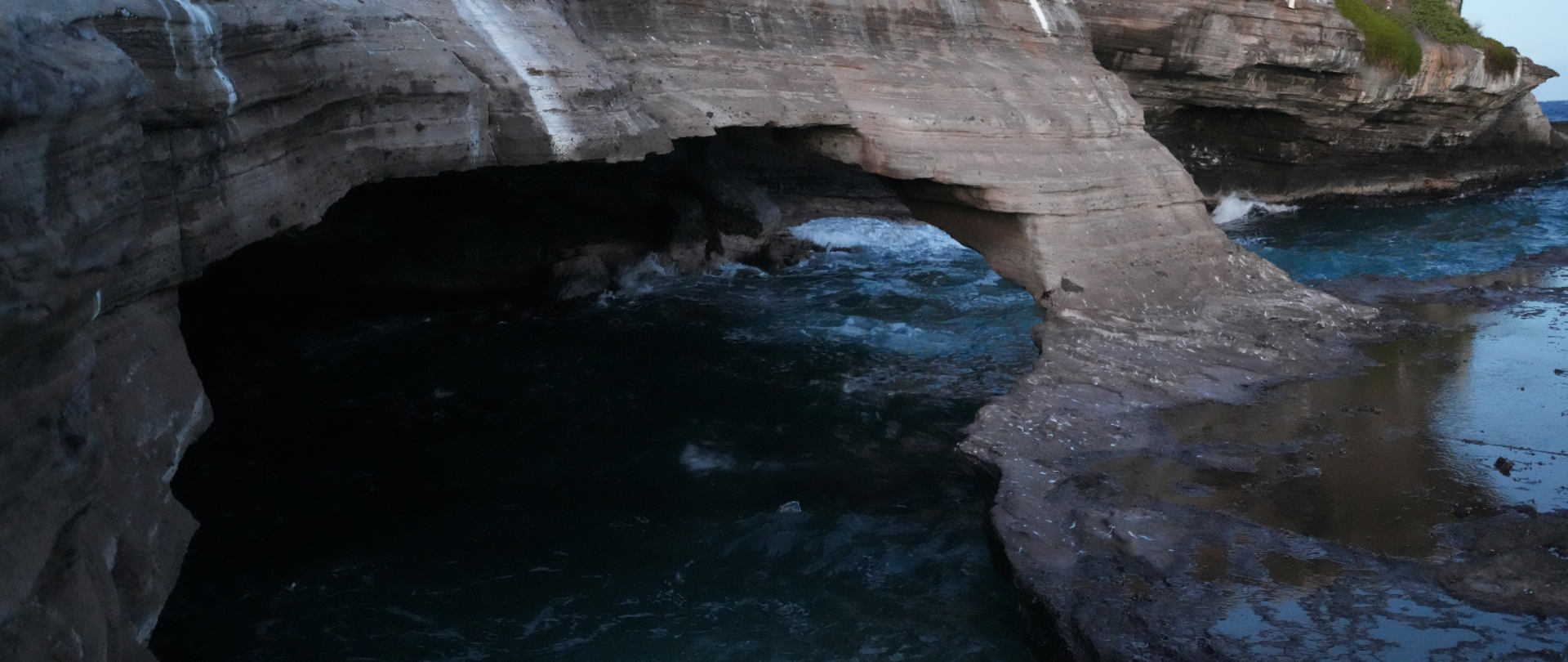
The Island-Ocean Connection Challenge announced four new restoration projects—Lehua, Tavolara, Grand Rouveau, and Zembra—at London Climate Week, expanding its global effort to restore 40 island-ocean ecosystems by 2030!
June 8, 2026
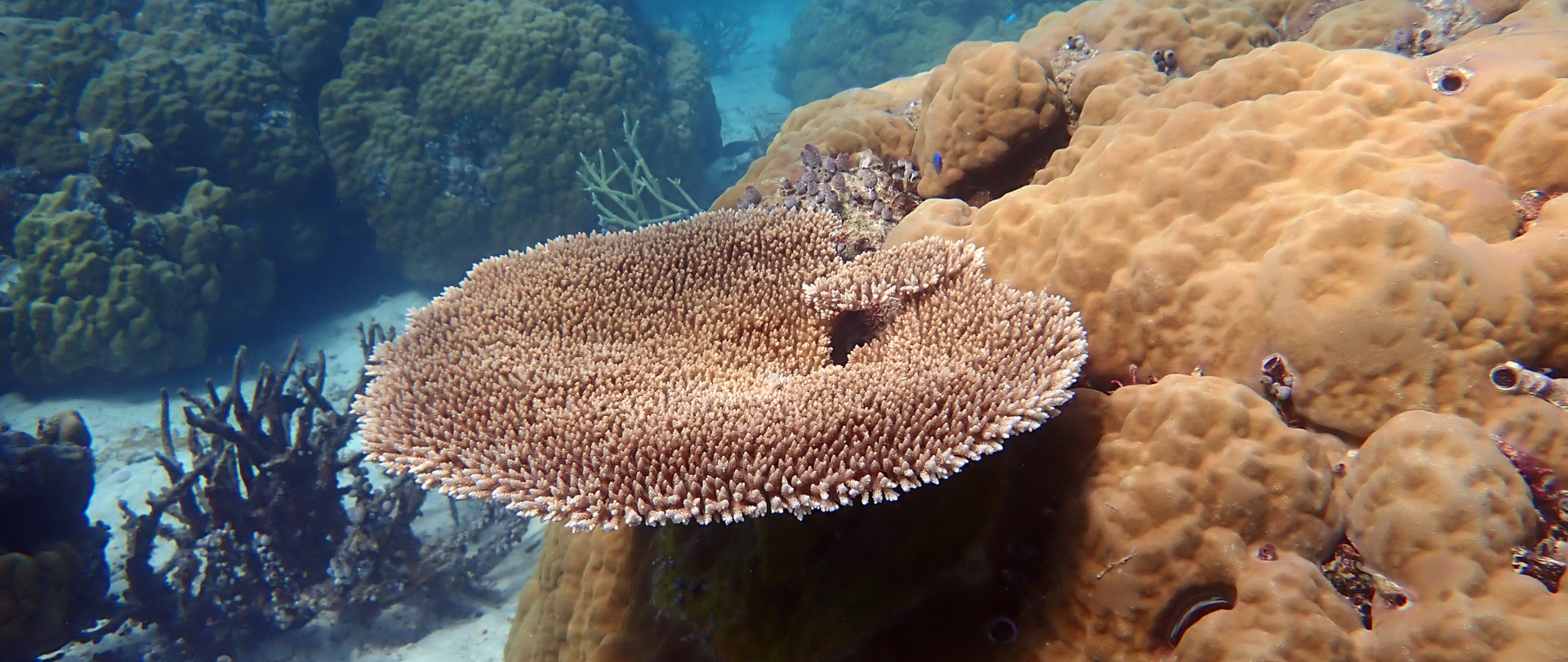
A world-first controlled experiment shows connection between seabird activity and marine health on Ulong Island!
April 14, 2026
A historic moment: Wake Atoll is restored and thriving!