September 9, 2026
Some Island Ecosystems Are More Resilient to El Niño
El Niño doesn't create weak ecosystems; it reveals them. Find out how resilient islands can survive and bounce back from stress caused by El Niño!
 Island Conservation

Complex island ecosystems continue to resist simple explanations. In Hawaiʻi, the disappearance of native waterbirds is often attributed to settlement of the area by Native Hawaiians, but a new study published in the journal Ecosphere is challenging these assumptions. Led by Kristin C. Harmon with collaborators Melissa R. Price and Kawika B. Winter at the University of Hawaiʻi, the study proposes a more complex story involving climate change, introduced species, ecological transformation, and later colonial impacts.
Drawing from fossil evidence, pollen analyses, historical observations, and paleoecological records, the researchers reviewed the histories of 18 extinct Hawaiian waterbird species. Their findings reveal that many species disappeared before the arrival of Polynesian people, while others persisted into or beyond the Polynesian era, complicating narratives that directly link Indigenous settlement with immediate ecological collapse.
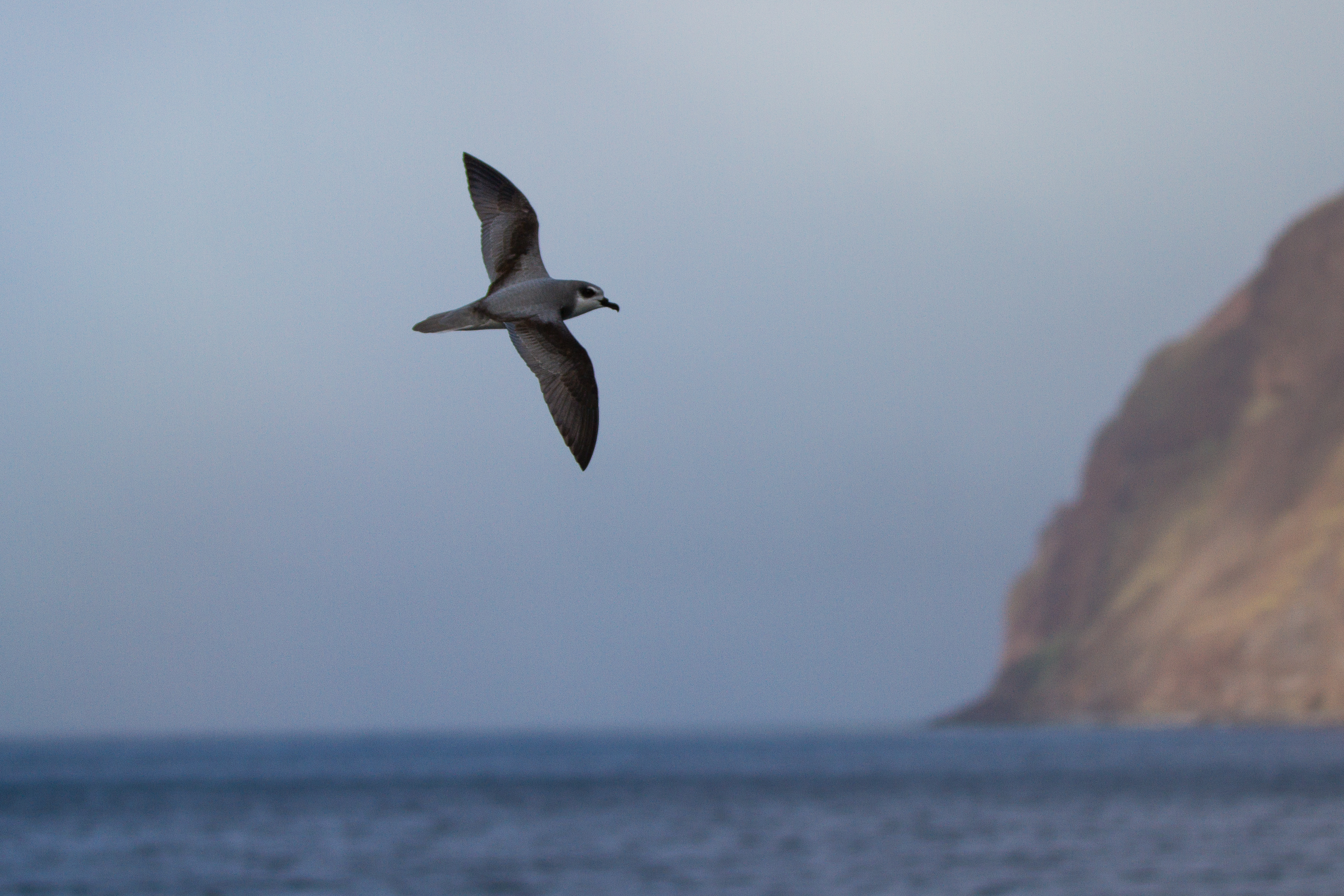
Kristin C. Harmon et al.
Research Scientists, University of Hawai’i
The study reevaluates four major extinction hypotheses for Hawaiian bird extinctions: the overkill hypothesis, the deforestation hypothesis, the climate change hypothesis, and the species introduction hypothesis. After reviewing decades of evidence, the researchers found little direct support for the ideas that Native Hawaiians caused waterbirds to become extinct either by over-hunting or habitat destruction. Fossil remains discovered in archaeological sites lacked cut marks or evidence of cooking, and pollen records suggest many native forests continued to persist after Polynesian settlement.
Instead, the study points toward long-term ecological instability driven by changing rainfall patterns, shifts in vegetation, and the arrival of invasive, damaging introduced animals such as the Pacific rat. These rats prey on eggs and chicks of ground nesting birds while also reshaping native forests through seed predation and disrupting plant regeneration.
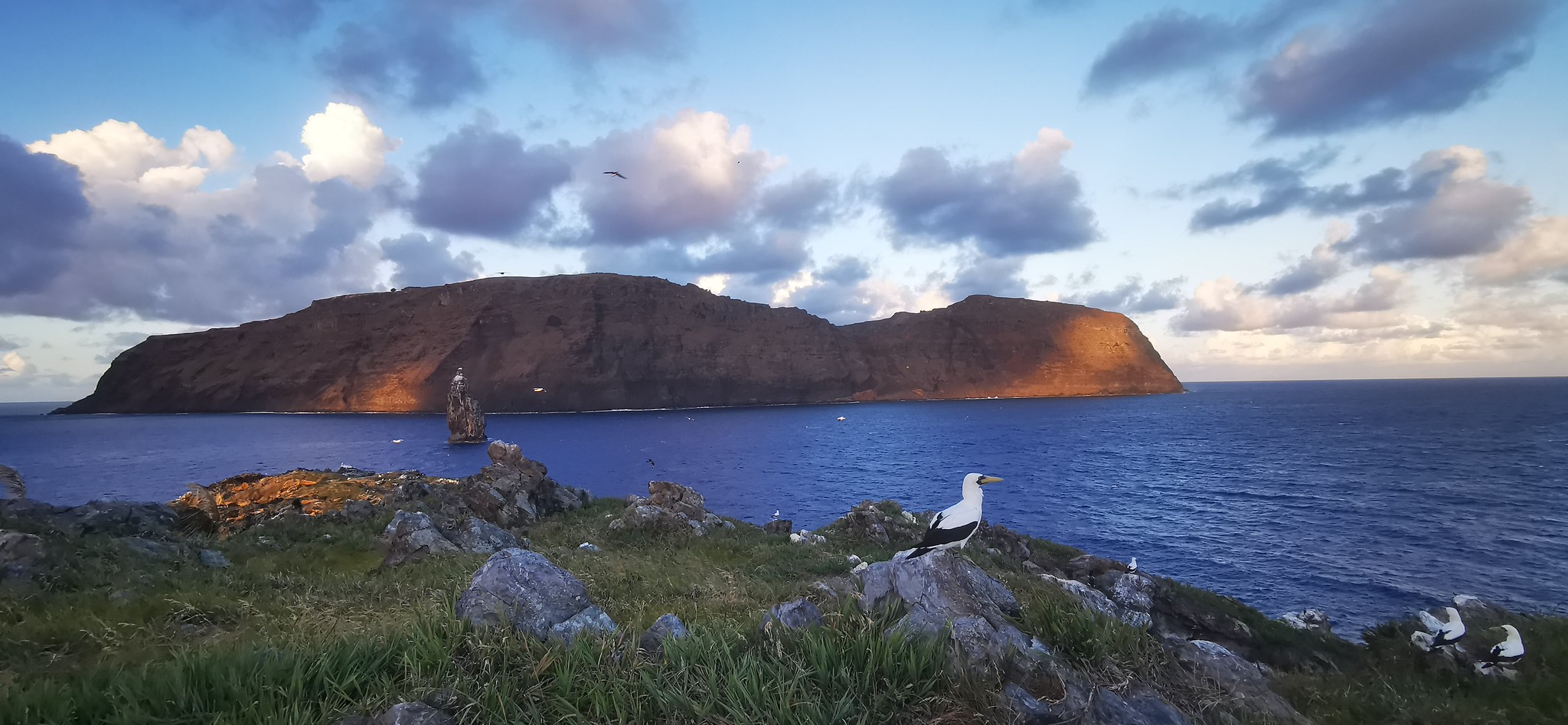
This research bears out across the Pacific, where similar invasive rat-driven transformations have been occurring for centuries. Island plants and animals, which evolved largely in isolation and did not develop the same defense mechanisms as mainland species, are particularly vulnerable to invasive species. A recent study makes a similar argument about Rapa Nui (Easter Island) where Indigenous settlement has long been blamed for devastating deforestation. Invasive rats alone, that study found, are efficient enough at seed predation and regeneration disruption that they can be considered responsible for deforestation even without human forest-clearing.
The authors of the Hawaiʻian study introduce a new hypothesis–what they call “regime shift extinctions”–to suggest that these extinctions were not caused by one singular catastrophic event, but instead by cascading ecological changes over time.
They also caution against simplistic interpretations that place disproportionate blame on Indigenous communities. Fossil records are incomplete and biased by preservation conditions, particularly in tropical environments where bones decay rapidly.
By reframing extinctions through the lens of ecological regime shifts, the study contributes to broader conversations about climate change, colonialism, invasive species, and Indigenous stewardship. Such research places ecological science more closely in conversation with Indigenous knowledge systems, offering more possibilities for holistic restoration across island ecosystems worldwide.
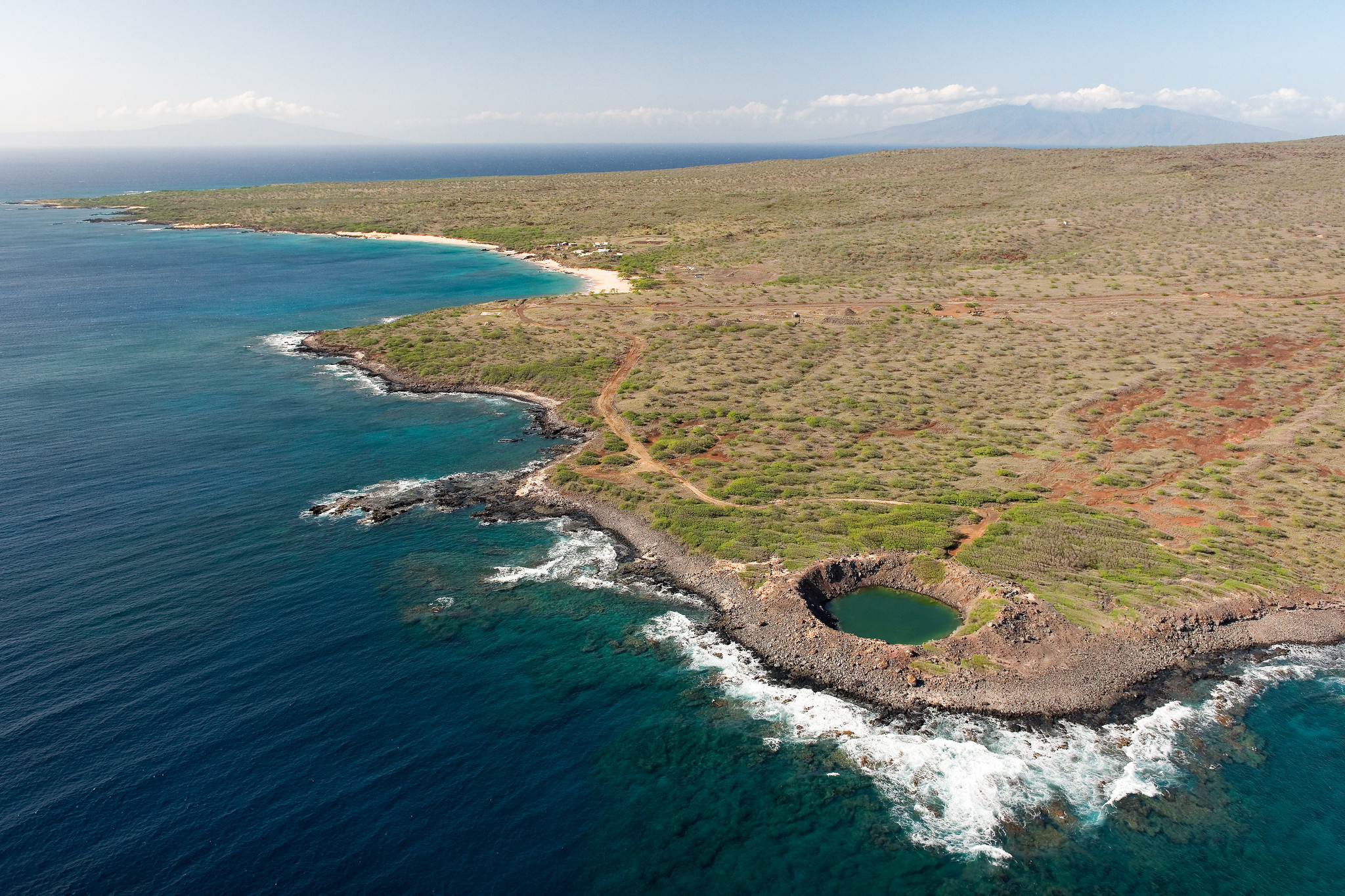
This research also points toward hope. While invasive species have contributed to ecological change and biodiversity loss on islands worldwide, they are among the few major conservation threats that can be effectively addressed. Over the past several decades, invasive mammals have been successfully removed from thousands of islands around the globe, often leading to rapid and lasting recoveries of native plants, seabirds, turtles, and entire ecosystems. These restoration successes demonstrate that when ecological pressures are lifted, nature can be remarkably resilient.
There’s more than one way to make an impact. Join our collective of dedicated supporters by donating today or signing up for our newsletter to stay informed.
Check out other journal entries we think you might be interested in.

September 9, 2026
El Niño doesn't create weak ecosystems; it reveals them. Find out how resilient islands can survive and bounce back from stress caused by El Niño!

August 25, 2026
A new study reveals the role fungi play in the restoration and recovery of rare, resilient atoll ecosystems!

August 12, 2026
The new Phoenix Species Project highlights species on the brink of extinction that are primed for recovery--and a lot of them live on islands!
August 4, 2026
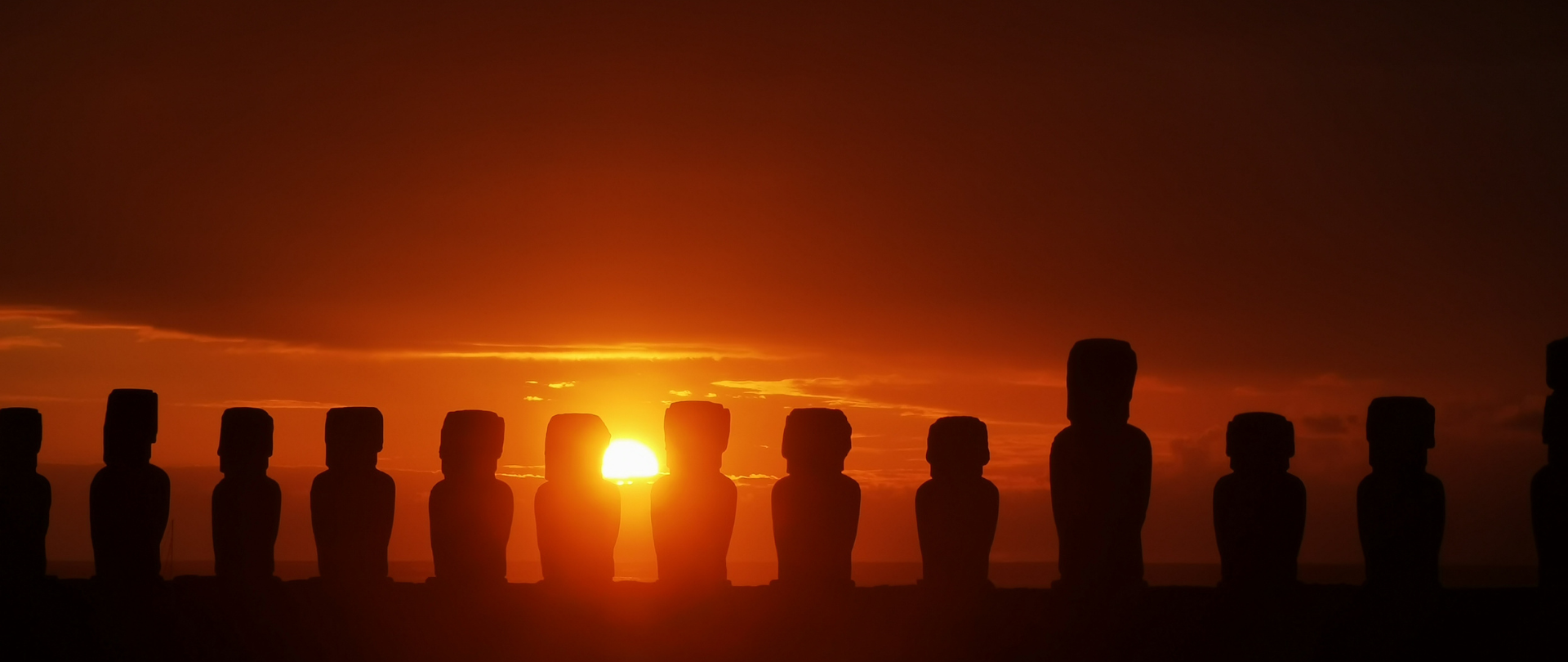
Indigenous-led conservation takes a leap forward with Rapa Nui (Easter Island)'s new partnership with Island Conservation!

July 31, 2026
We interviewed artist Laura Shape to learn about the luminous abstracts she creates from leather sourced from invasive species!

July 28, 2026
Happy World Nature Conservation Day! Read Penny Becker's article published by the Outreach Network for Gene Drive Research.
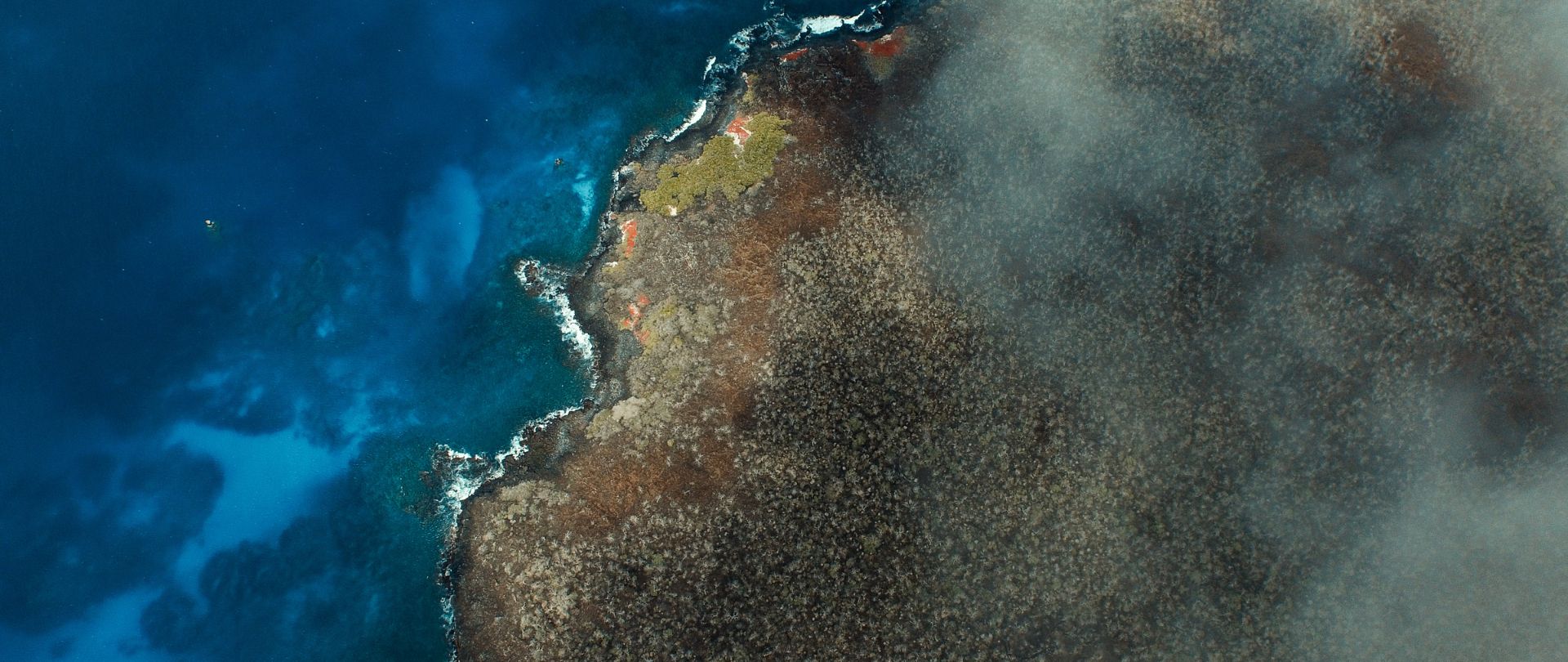
July 2, 2026
Invasive species have caused over $12 billion in damages to island ecosystems, creating an urgent need for strengthened biosecurity measures!
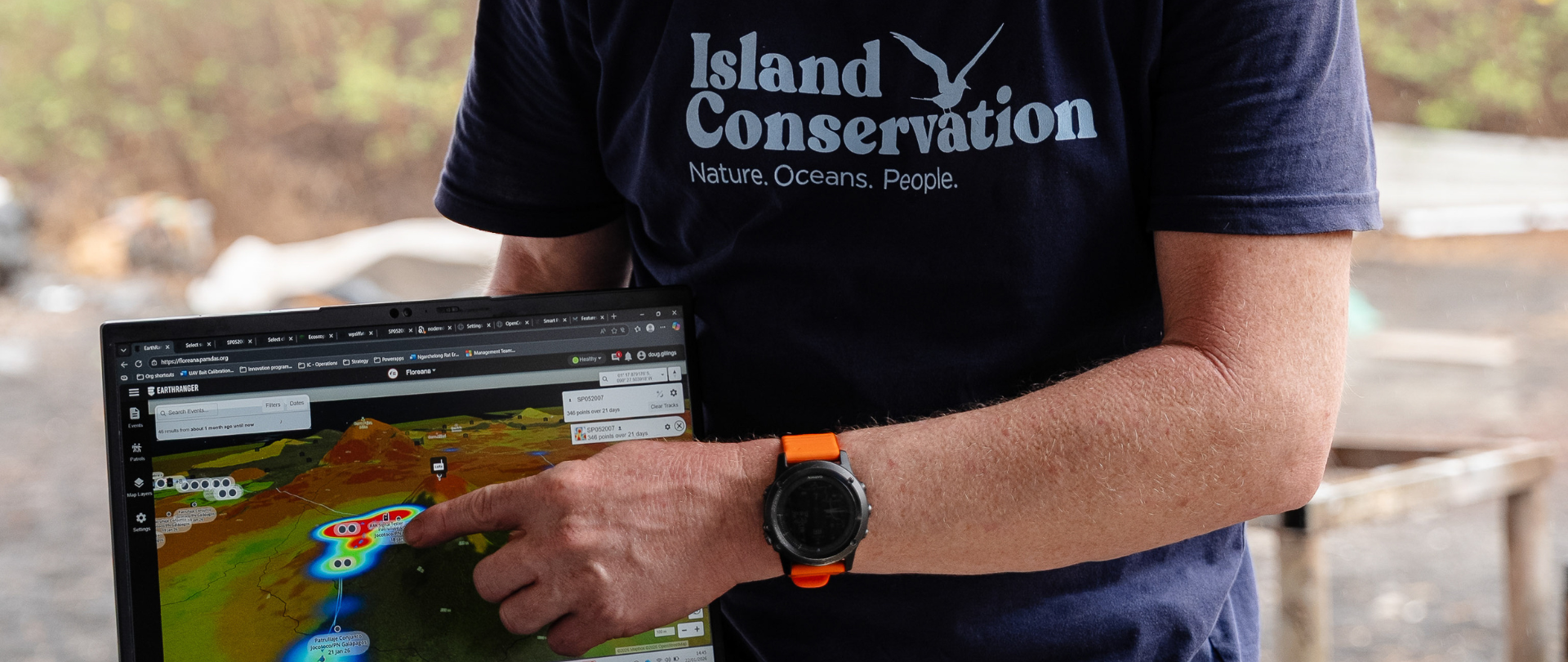
May 5, 2026
Thrilling new tech brings conservation solutions to a remote island in the Galápagos!

April 22, 2026
Happy Earth Day! Watch our beautiful Global Impact Video and feel inspired by the power of islands to garner hope for the planet.
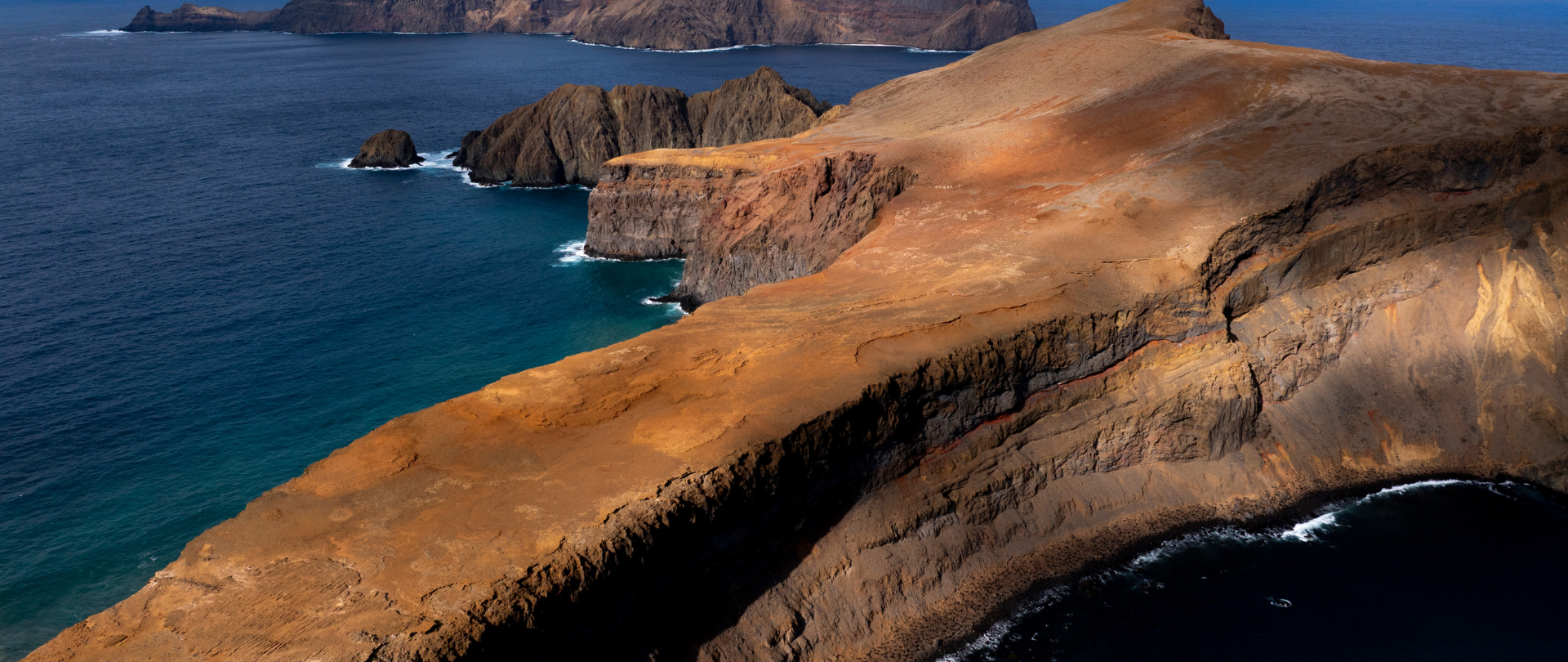
March 10, 2026
The Juan Fernández Archipelago is part of a new Marine Protected Area that protects the highest concentration of marine species found nowhere else on Earth!