September 17, 2026
Island Conservation and Robinson Crusoe Island, Chile: Growing Hope Together
On the island of Robinson Crusoe in Chile, a greenhouse feeds both a community and an islander-led conservation movement!
 Island Conservation
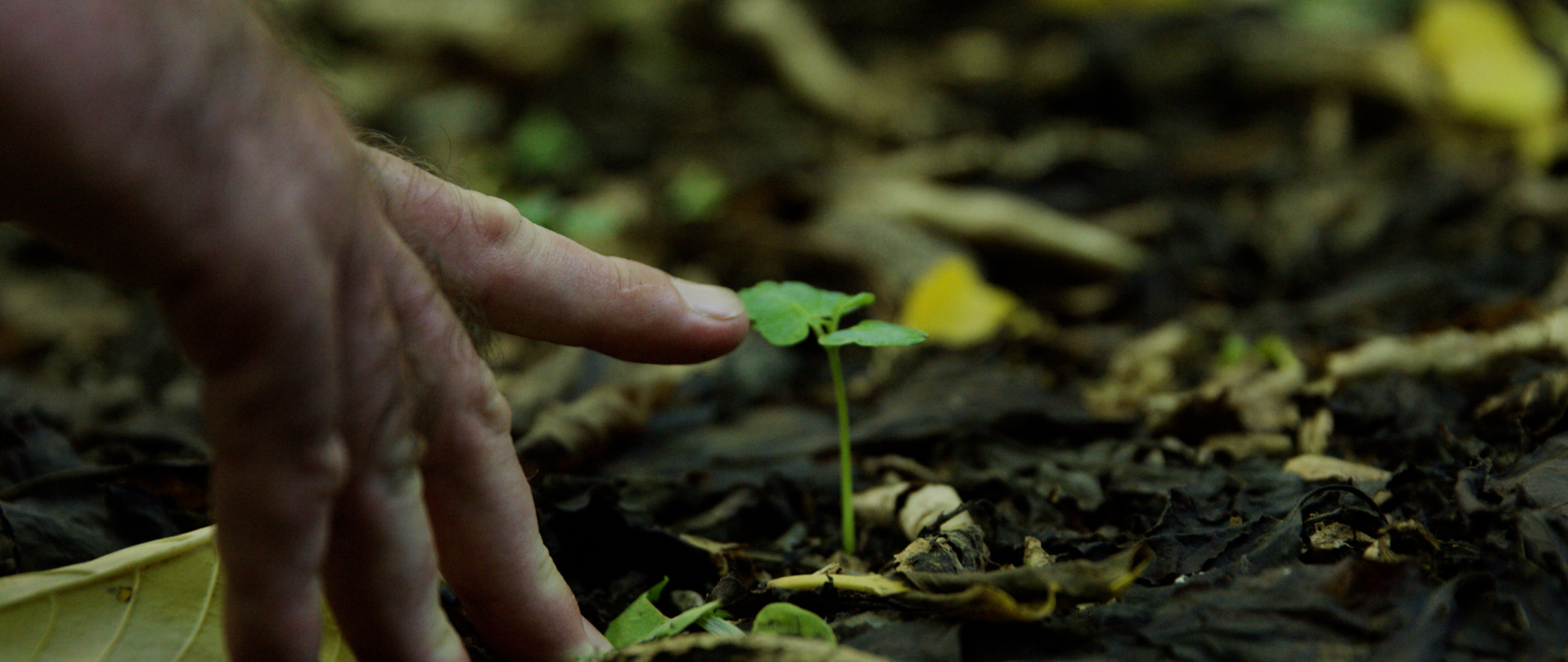
Majuro, Republic of the Marshall Islands—Native forests are recovering, and seabird populations are soaring on Bikar Atoll and Jemo Islet in the Republic of the Marshall Islands (RMI) thanks to a successful campaign to remove damaging, invasive rats in 2024. This is a significant step toward realizing the vision of resilient thriving native ecosystems, oceans, and communities.
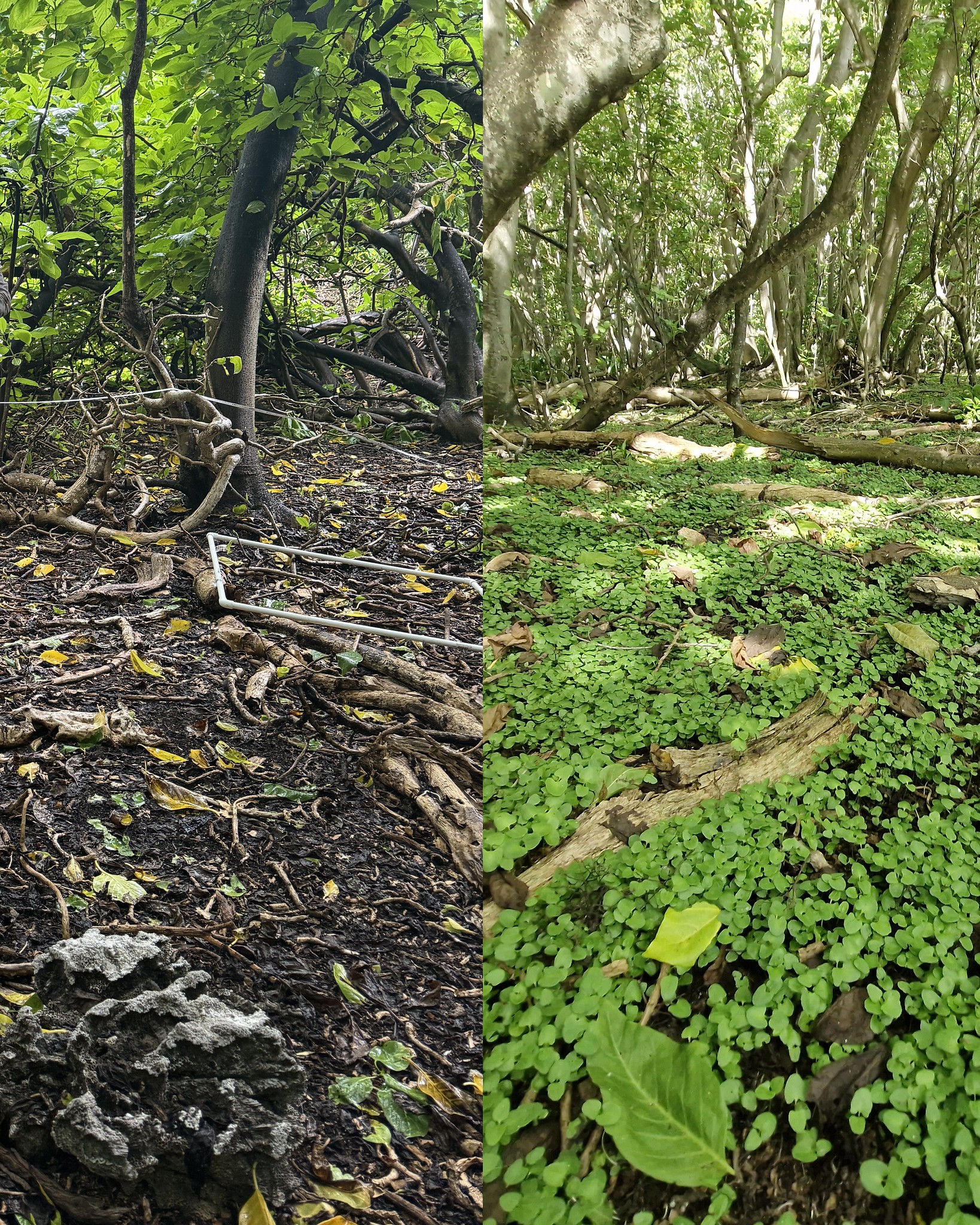
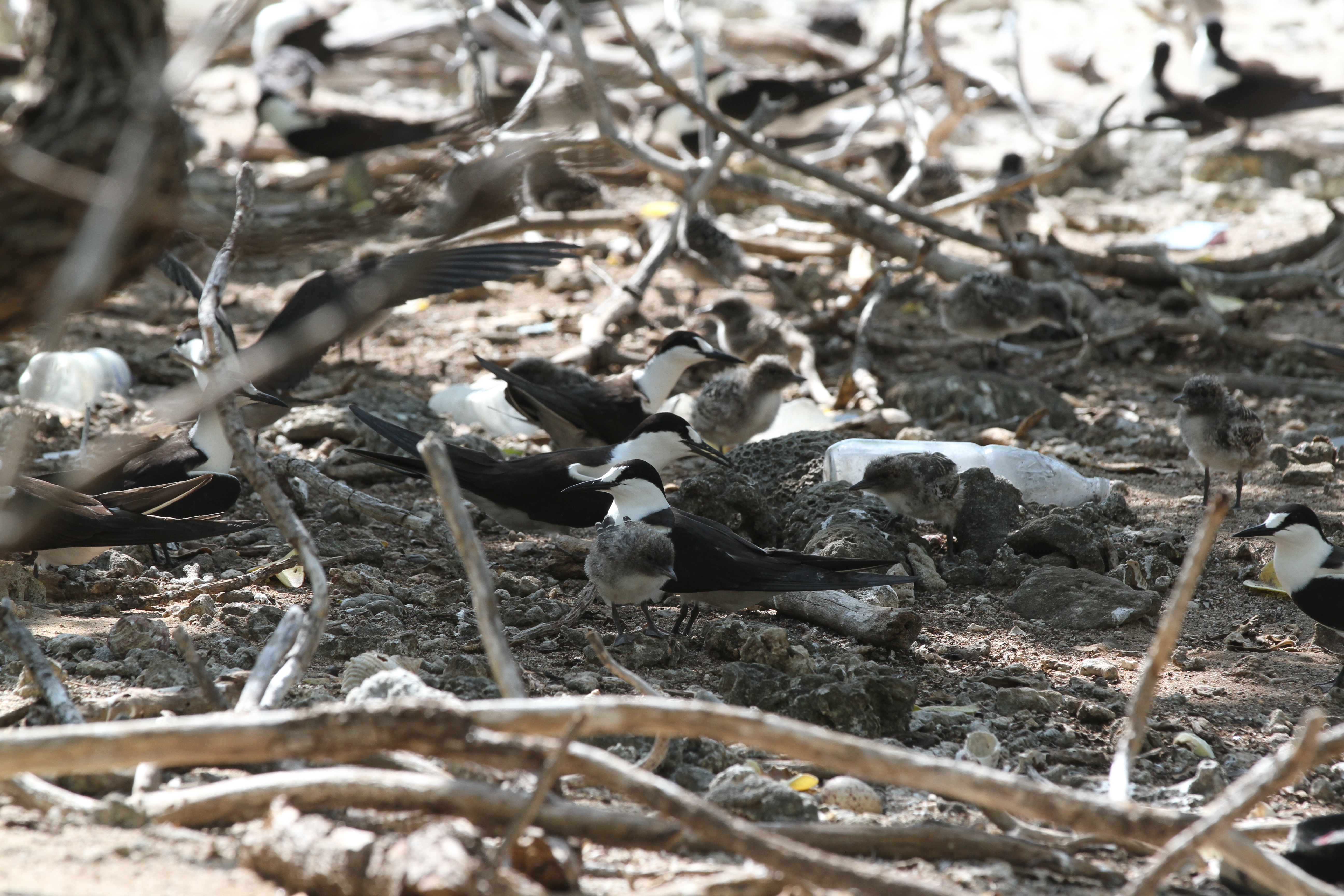
A recent trip to the islands by conservationists from Island Conservation, the Marshall Islands Marine Resources Authority, Ministry of Natural Resources and Commerce, and community members from Utrik Atoll confirmed the 2024 restoration campaign to remove invasive rats was successful. The team found native seabird populations rebounding, restoring the vital nutrient connections between land and sea. Nutrients from seabird guano boost soil fertility which is beneficial for native plant populations and enrich the surrounding reefs resulting in more fish, and—ultimately—greater climate resilience for communities.
Paul Jacques
Project Manager, Island Conservation
The Republic of the Marshall Islands is leading the way in community-directed conservation by combining terrestrial restoration with marine protection. The ecological gains on land are permanently safeguarded within its expansive Marine Protected Area (MPA), established in January 2025. Spanning 48,000 square kilometers (18,500 square miles), the MPA includes the waters surrounding Bikar Atoll, where the restored terrestrial ecosystems will enrich marine habitats through nutrient runoff.
The rare corals in these waters, and the fish communities they support, are expected to thrive. This integrated approach delivers outsized biodiversity benefits, demonstrating how land and sea conservation–when strategically linked–can amplify resilience and ecological impact.
This success is very meaningful to the people of neighboring atolls and island communities, such as the residents of Likiep, who have used Jemo to gather natural resources for generations.
“Jemo Islet has traditionally been used for gathering natural resources by people from the neighboring atoll of Likiep, but these resources dramatically declined due to invasive rats. By removing the rats, resources such as Coconut Crabs can once again flourish on Jemo, allowing for sustainable harvest by local people. Both Jemo and Bikar once held huge rookeries of seabirds and turtles. Now that rats have been removed we look forward to the recovery of these colonies and the restoration of the vital natural processes that connect the deep ocean, the land and reef,” said Byrelson Jacklick, Invasive Species Co-ordinator for the Marshall Islands Ministry of Natural Resources and Commerce. “The successful removal of rats from Jemo and Bikar brings joy among traditional leaders and the people of Likiep, Utrik and especially RMI Government. The RMI Government acknowledge Island Conservation’s hard work to transform these islets to be free from rats for food security purposes for the next generation. Big komol tata to Chief Boklon Zackios and the people of Likiep and Utrik for their blessing on this work to achieve an important milestone under the RMI National Invasive Species Strategy and Action Plan.”
This success sets a powerful precedent for future restoration efforts throughout the Republic of the Marshall Islands. Feasibility assessments are underway for Bokak Atoll, a semi-arid ecosystem similar to Bikar. Bokak also lies within the Marine Protected Area. All three of these projects in RMI—Jemo, Bikar, and Bokak—are united by their membership in the Island-Ocean Connection Challenge, a volunteer collective created by Island Conservation, Scripps Institution of Oceanography, and Re:wild to restore and rewild 40 globally significant island-ocean ecosystems by 2030.
“Our Marshallese friends continue to add restored, pest-free islands to their list of achievements,” Secretariat of the Pacific Regional Environment Programme (SPREP) Invasive Species Adviser David Moverley commented. “Participating in the first rat removal workshop in Tonga ten years ago allowed them early on to achieve successful eradications on small islands by themselves. Now with modern technology and expert technical support from our partner Island Conservation, they are really pushing the boundaries and people are starting to realize the treasures that abound within the Marshall Islands and the opportunities that they present.”
Photos and B-roll video: https://drive.google.com/drive/folders/1gK2XpoJxU6K5_4Kjcz9zGu7FehiCcbFQ?usp=sharing
Interviews available upon request.
Sally Esposito, Senior Communications Director, Island Conservation sally.esposito@islandconservation.org
The Republic of the Marshall Islands led the initiative to restore Bikar and Jemo through the Ministry of Natural Resources and Commerce, the Marshall Islands Environmental Protection Authority, and the Marshall Islands Marine Resources Authority. Part of the Island-Ocean Connection Challenge, this project was enabled by IOCC partners at the Pacific Regional Invasive Species Management Support Service (PRISMSS) under the Secretariat of the Pacific Regional Environment Programme (SPREP) with Island Conservation providing technical expertise. The New Zealand Foreign Affairs & Trade, UK International Development, the Office of Insular Affairs, and Paul M. Angell Family Foundation provided funding for this work.
Island Conservation’s mission is to restore islands for nature and people worldwide. We are a United States-based 501(c)(3) charitable organization with a globally distributed team—often made up of local islanders who bring deep knowledge and connection to the places where we work. Together, we collaborate with local communities, government management agencies, and conservation organizations to holistically restore islands by bringing back biodiversity, the foundation of all healthy ecosystems. We do this by removing a primary threat (introduced, damaging invasive species) and accelerating the return of native plants and animals. We utilize innovative technology and techniques to work more efficiently and showcase the many benefits of holistically restored islands for biodiversity, climate resilience, ocean health, and sustainable development across the globe.
About PRISMSS: The Pacific Regional Invasive Species Management Support Service (PRISMSS) is a coordinating mechanism designed to facilitate the scaling up of operational management of invasive species in the Pacific. PRISMSS, which is led by the Secretariat of the Pacific Regional Environment Programme (SPREP) brings together experts to provide support within the Pacific region with a focus on protection of indigenous biodiversity and ecosystem function. As a service provider, PRISMSS provides a comprehensive suite of support services in a cohesive, effective, efficient, and accessible manner to Pacific Island countries and territories.
Restoring Island Resilience (RIR): The PRISMSS – Restoring Island Resilience (RIR) is a New Zealand-PRISMSS collaboration project that aims to improve Pacific Island Countries and territories livelihoods and resilience to climate change by reducing the impact of invasive species on natural and agricultural ecosystems through the six PRISMSS programmes.
There’s more than one way to make an impact. Join our collective of dedicated supporters by donating today or signing up for our newsletter to stay informed.
Check out other journal entries we think you might be interested in.
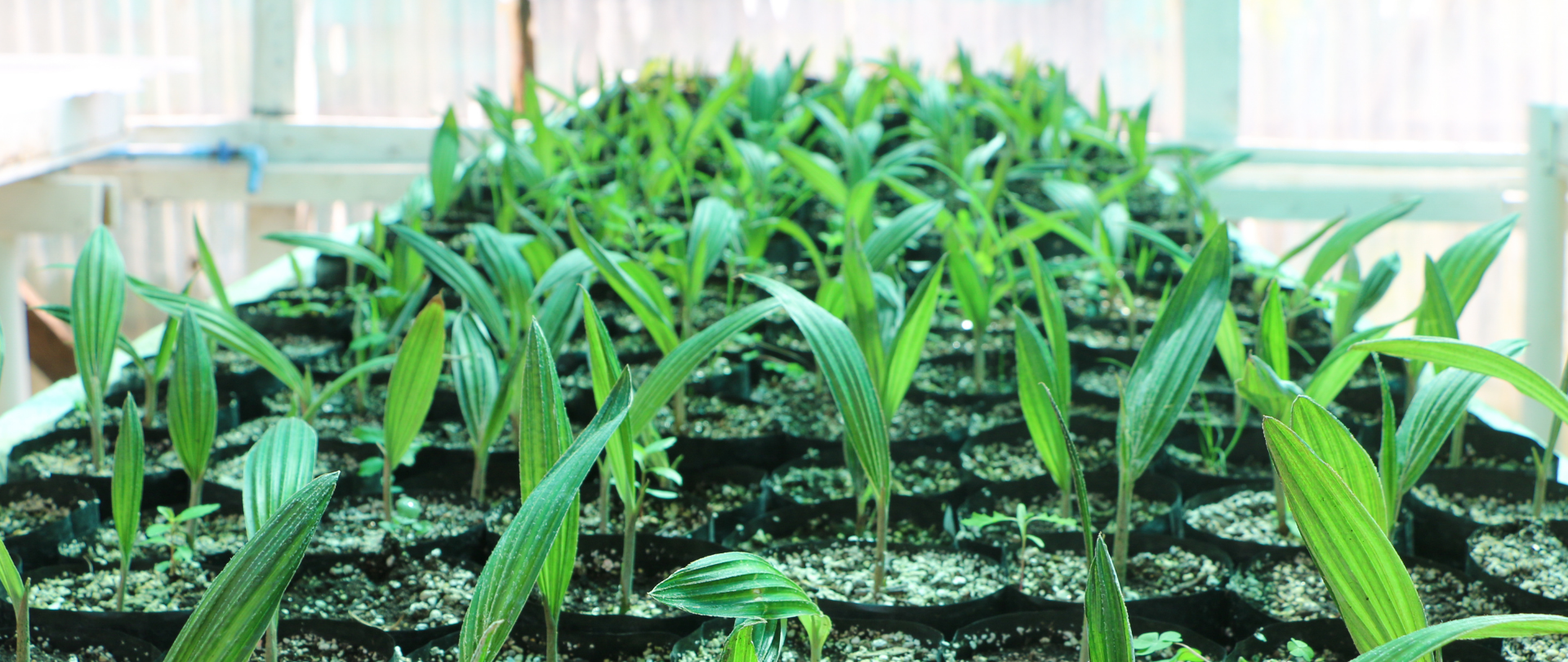
September 17, 2026
On the island of Robinson Crusoe in Chile, a greenhouse feeds both a community and an islander-led conservation movement!
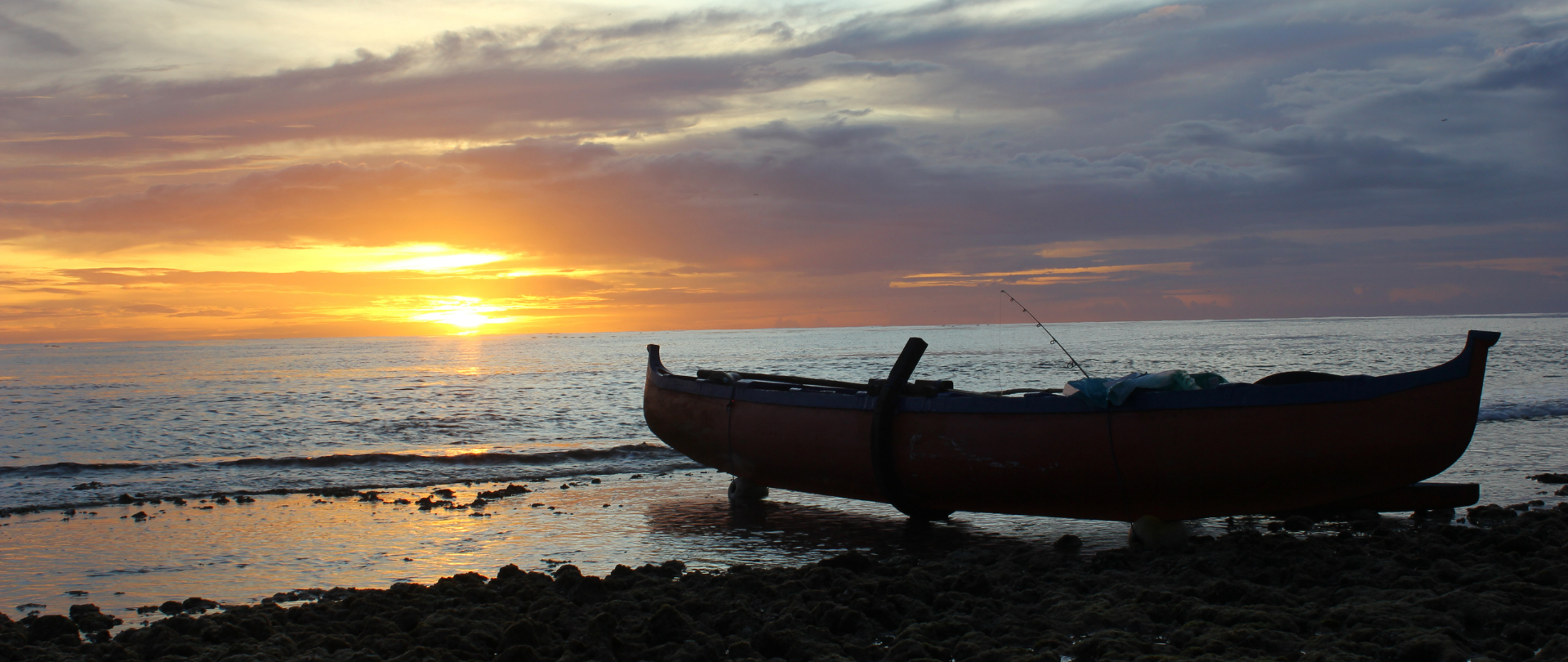
September 1, 2026
Linden Brown shares the incredible things he saw and experienced while working to restore islands in Sonsorol State, Palau!
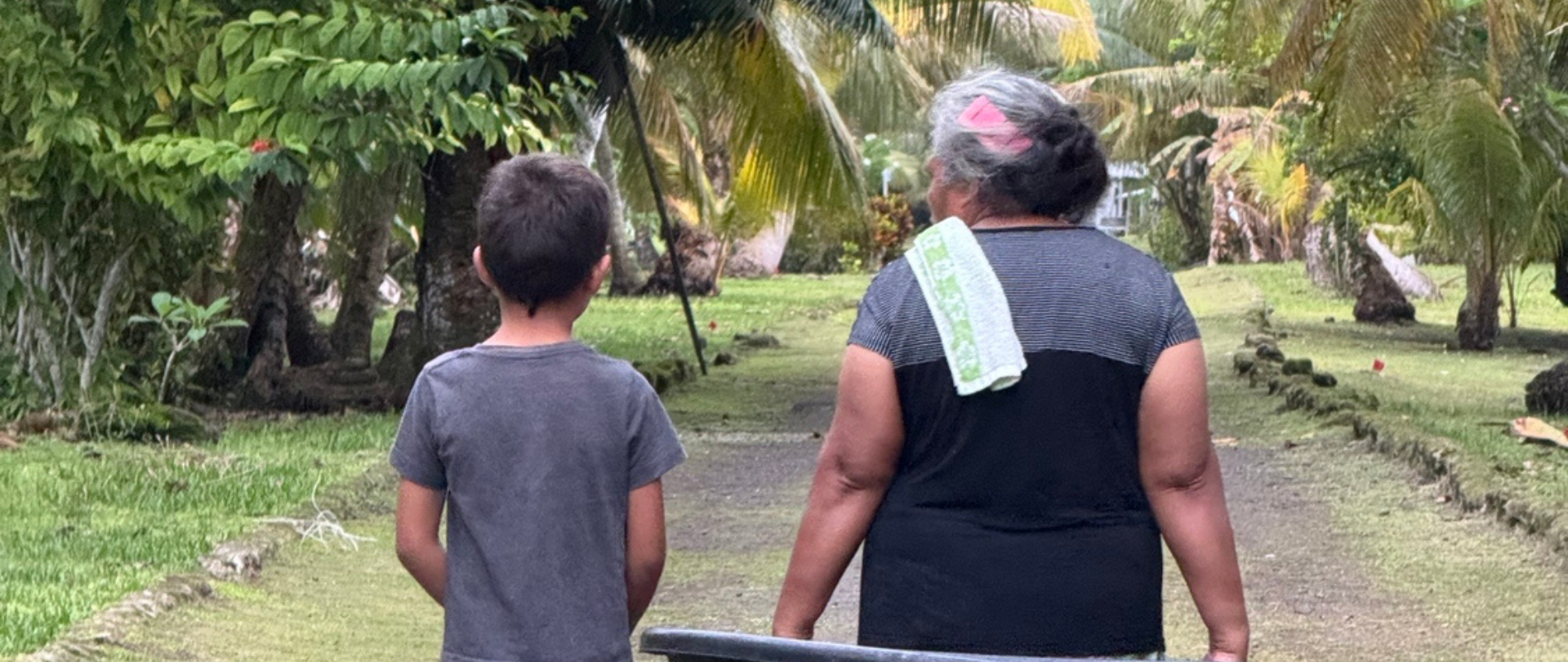
August 18, 2026
Meet Evelyn, one of the people who holds the wisdom of Sonsorol State, Palau in her lived experiences and stories.
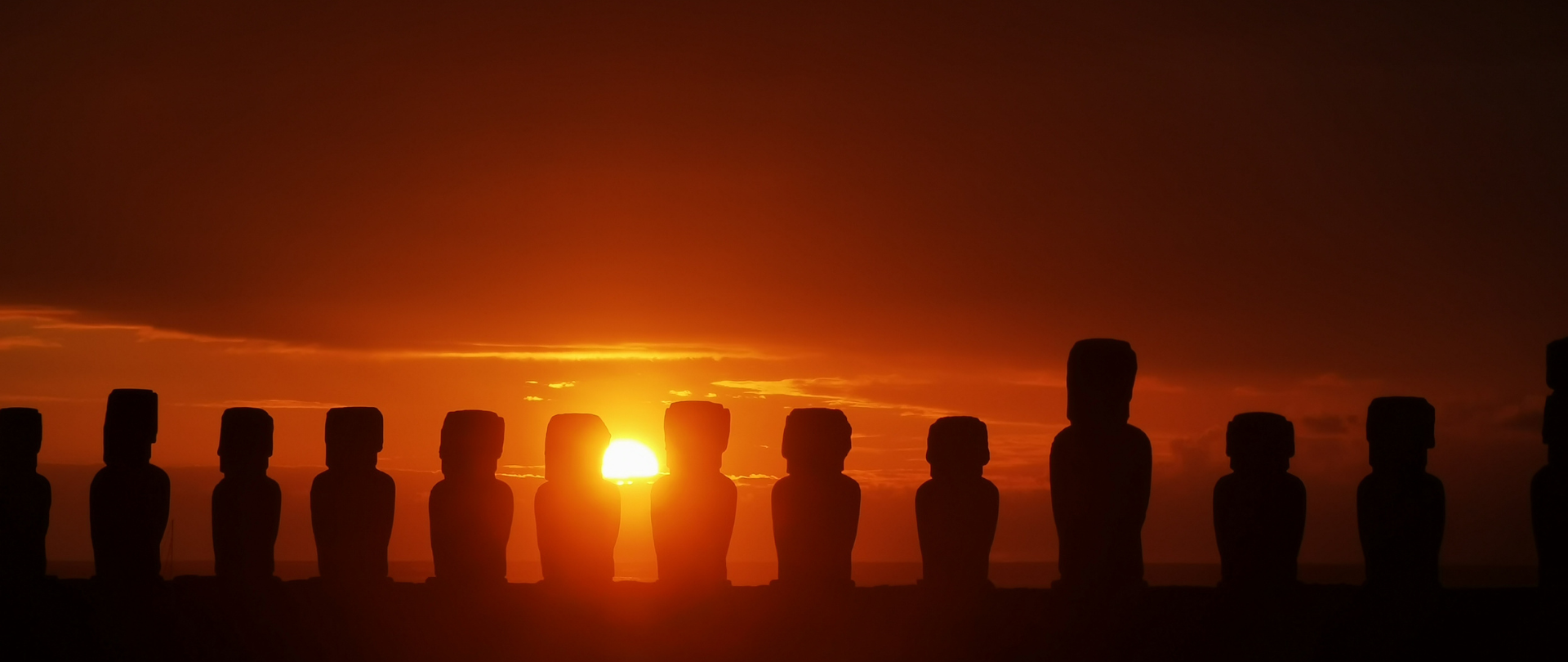
August 4, 2026
Indigenous-led conservation takes a leap forward with Rapa Nui (Easter Island)'s new partnership with Island Conservation!

July 28, 2026
Happy World Nature Conservation Day! Read Penny Becker's article published by the Outreach Network for Gene Drive Research.
July 9, 2026
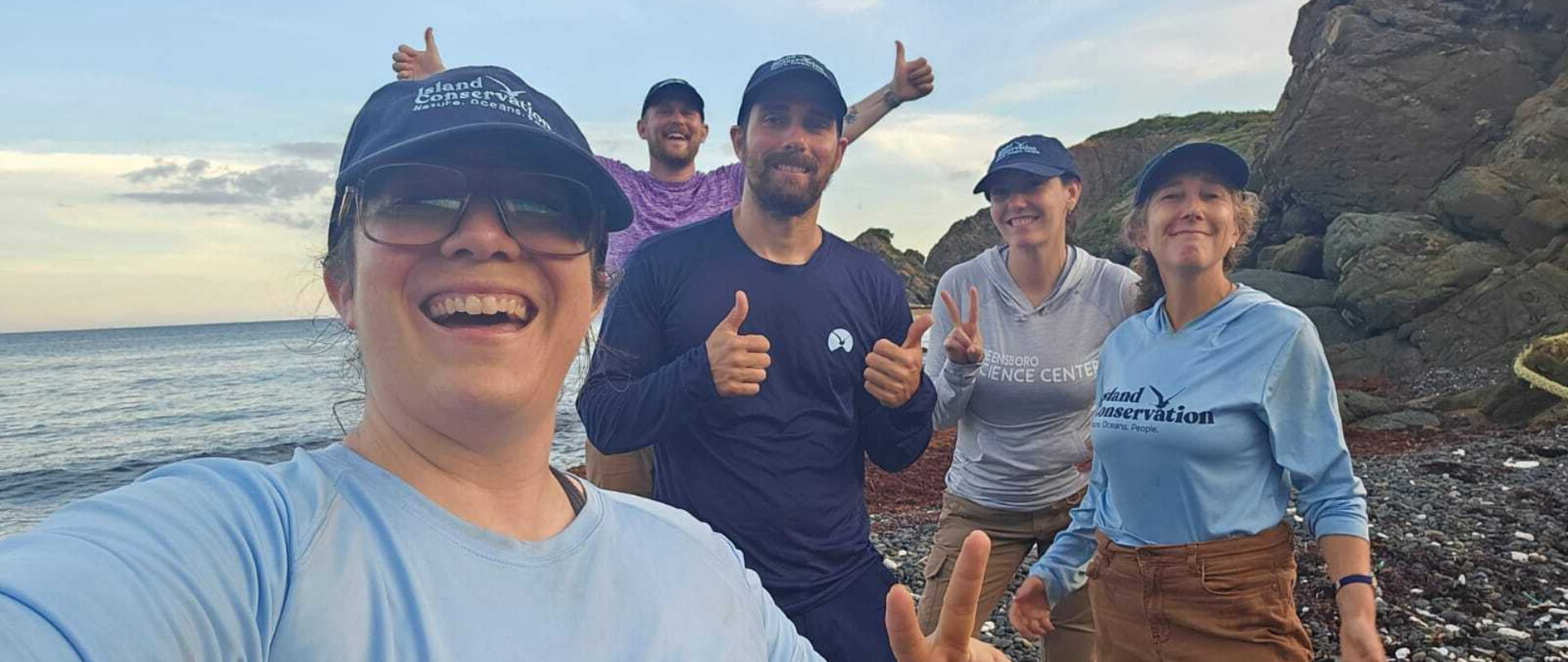
Senior Major Gifts Officer Jen Sachs shares her experience on one of Island Conservation's exciting restoration projects in the US Virgin Islands!
July 2, 2026
Invasive species have caused over $12 billion in damages to island ecosystems, creating an urgent need for strengthened biosecurity measures!
June 23, 2026
The Island-Ocean Connection Challenge announced four new restoration projects—Lehua, Tavolara, Grand Rouveau, and Zembra—at London Climate Week, expanding its global effort to restore 40 island-ocean ecosystems by 2030!
June 18, 2026
A new project to expand the range of an endangered Tree Boa is one step closer to completion!
June 8, 2026
A world-first controlled experiment shows connection between seabird activity and marine health on Ulong Island!