February 25, 2026
A Homecoming for Floreana
Roger McDonough from our partners at Galápagos Conservancy explains the process behind raising hybrid tortoises for Floreana!
 Island Conservation
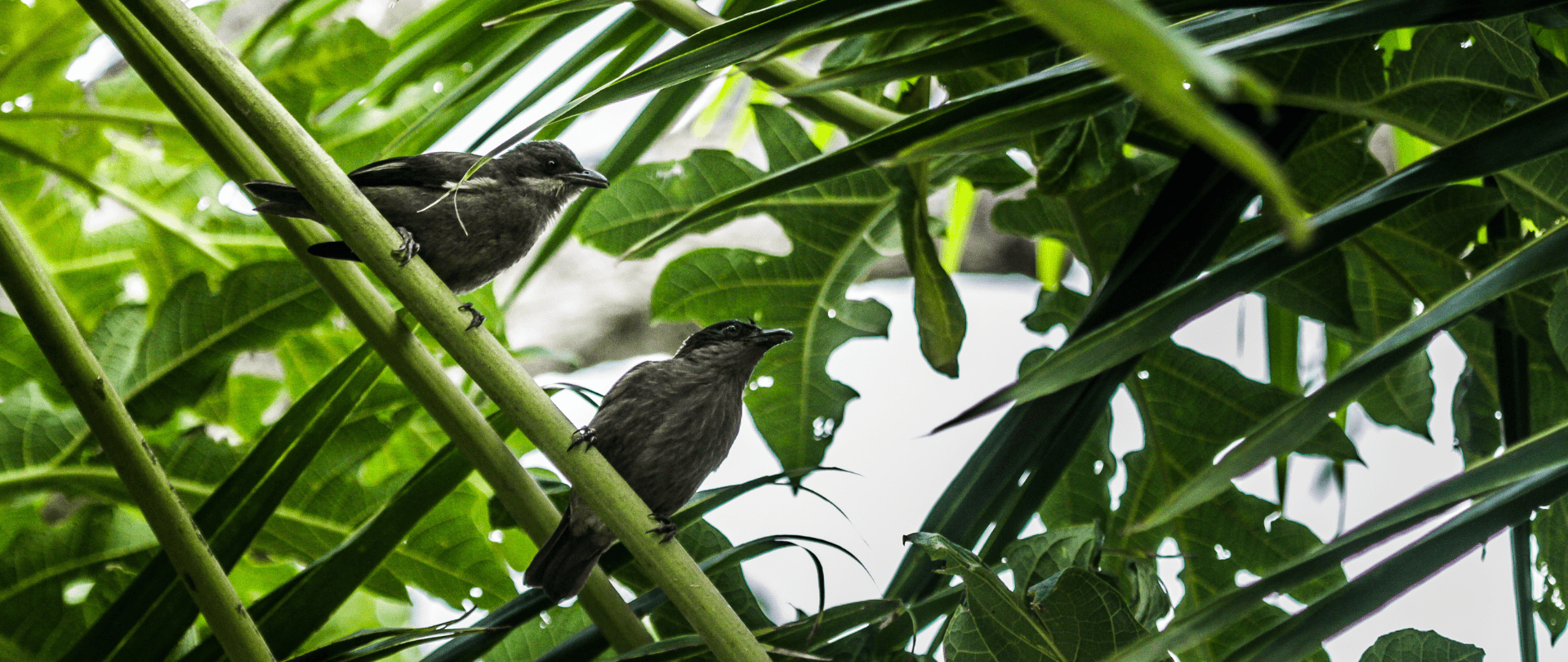
29 May 2024, Nukualofa Tonga – It’s been nearly a year since the Kingdom of Tonga carried out a ground-breaking mission to restore and re-wild Late Island by eradicating invasive rats, potentially marking it as the largest rat-free island in the Pacific.
During a recent monitoring visit to Late Island in May 2024, conducted by members of the Vava’u Protection Association, Tonga Department of Environment, and Island Conservation as the technical lead for the PRISMSS Predator Free Pacific (PFP) Programme, promising signs emerged suggesting that this sanctuary of biodiversity for Tonga may be well on its way to achieving this monumental goal.
A noticeable increase in seabird populations and other land wildlife was observed.
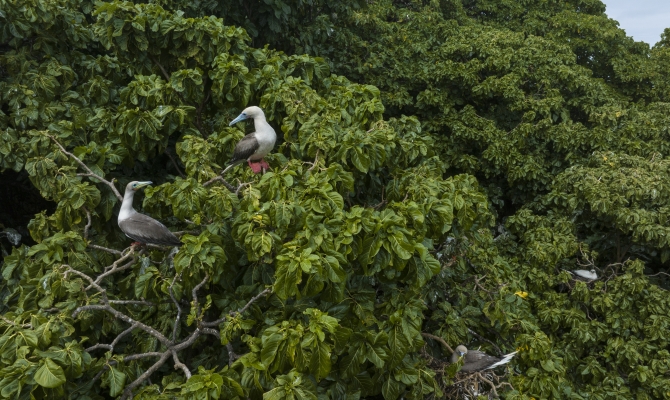
“Upon approaching the island after a 35-mile boat ride, we immediately noticed a significant rise in seabird populations, with hundreds of boobies, noddies, frigatebirds, and terns circling the island – a stark contrast to the smaller numbers observed in 2023. We also witnessed and heard more land birds, crabs, and lizards than before,” noted Ms Helen Fairlamb, Island Conservation’s Conservation Impact Monitoring Specialist.

To ensure accuracy, a bird point-count survey was conducted during the five-day monitoring visit, demonstrating that the number of birds on Late Island had doubled in just nine short months (compared to a survey carried out in 2023 before the operation) following the removal of rats.
Over the course of a week, the team worked on re-deploying biodiversity monitors, including camera traps and acoustic recorders, programmed to continuously assess native species population dynamics. More promising news emerged after rat detection systems were set up to gauge the operation’s success, detecting zero signs of continued rat presence, making it highly probable that the island will soon be declared free of invasive rats.
“Bird point counts are just one measure of success; however, out of caution, we will continue to monitor the island in a variety of ways in the coming years,” said Island Conservation Project Director, Mr. Richard Griffiths.
“While we recognise the need for continued monitoring, these early signs of recovery highlight the resilience of nature and the potential for effective conservation actions to drive positive change. The rebounding native species populations on Late Island serve as yet another beacon of hope, demonstrating that our collaborative conservation efforts indeed result in tangible impacts, safeguarding our planet’s biodiversity for future generations.”
Once the island is declared rat-free, the partnership will implement another conservation intervention with the re-introduction of threatened endemic species such as the Malau (Tongan Megapode). This unique land bird roosts atop Tonga’s volcanic islands, warming its eggs not via body heat but rather by the heat of these islands’ steam vents.
“There are currently only two populations of this species in the world, so establishing a third population on Late Island would be yet another incredible win for conservation – and more evidence that conservation works,” said Ms Fairlamb.
SPREP’s Invasive Species Adviser, Mr David Moverley, has been working with Tonga to progress this work on Late for over 10 years and commends the team at the Environment Department and VEPA for their relentless efforts to reach this milestone.
“The successful removal of rats from Late Island is a significant milestone for Kingdom of Tonga. Late Island was identified for the removal of rats in the first National Invasive Species Strategy and Action Plan 2013-2020,” said Mr Moverley. “Following the development of a Feasibility Assessment and Operational Plan in 2014, it has been a long journey to secure the funding required to complete the job. It really is a credit to the Tongan team from the Environment Department for their ongoing commitment and I look forward to seeing the people of Tonga enjoy the incredible opportunities that this now provides in the form of tourism and sustainable development.”
This project was made possible with support from the Secretariat of the Pacific Regional Environment Programme (SPREP)-led Pacific Regional Invasive Species Management Support Service (PRISMSS) through its Predator Free Pacific (PFP) Programme. Funding was initiated through the GEF 6 Regional Invasive Species Project and co-financed in partnership through the Island Ocean Connection Challenge.
Island Conservation envisions a world filled with vibrant biodiversity, resilient oceans, and thriving island communities. We are the only international non-profit conservation organization with the mission to restore islands for nature and people worldwide. Islands are special places that provide outsized returns on our conservation investments. Island Conservation is committed to holistic island-marine ecosystem restorations that combine efforts to improve community livelihoods and climate resiliency, manage invasive species, and reestablish native animals and plants. Learn more about us at www.islandconservation.org.
The Pacific Regional Invasive Species Management Support Service (PRISMSS) is a coordinating mechanism designed to facilitate the scaling up of operational management of invasive species in the Pacific. PRISMSS brings together experts to provide support within the Pacific region with a focus on protection of indigenous biodiversity and ecosystem function. As a service provider, PRISMSS provides a comprehensive suite of support services in a cohesive, effective, efficient, and accessible manner to Pacific Island countries and territories.
The GEF 6 Regional Invasives Project (RIP) is funded by the Global Environment Facility, implemented by the United Nations Environment Programme, and executed by the Secretariat of the Pacific Regional Environment Programme. The Project works primarily in the Marshall Islands, Niue, Tonga, and Tuvalu and has a regional component. Implementation of the GEF 6 RIP is supported by the Pacific Regional Invasive Species Management Support Services (PRISMSS).
For media inquiries:
Sally Esposito, Strategic Communications Director, Island Conservation, sally.esposito@islandconservation.org
Nitish Narayan, PRISMSS Communications & Liaison Officer, nitishn@sprep.org
Resources:
Photos, videos and interviews available upon request
Check out other journal entries we think you might be interested in.
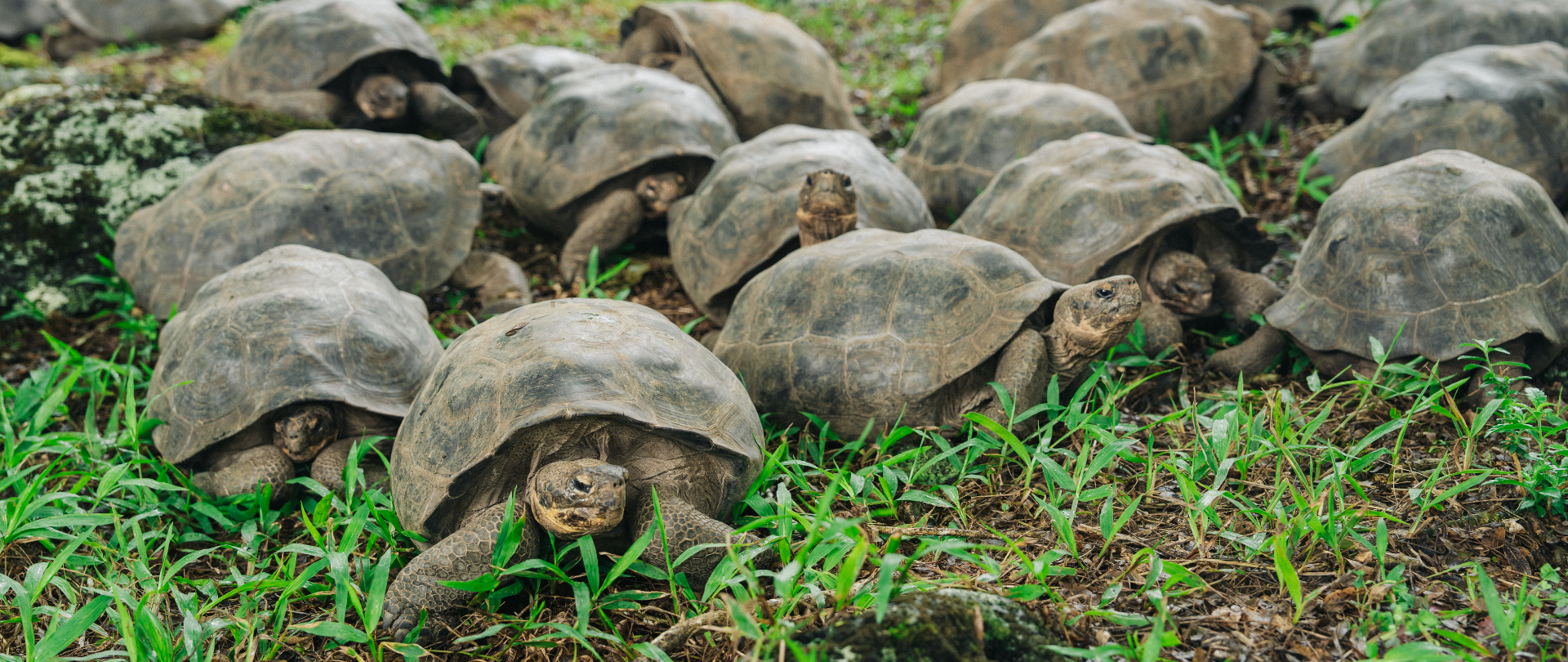
February 25, 2026
Roger McDonough from our partners at Galápagos Conservancy explains the process behind raising hybrid tortoises for Floreana!
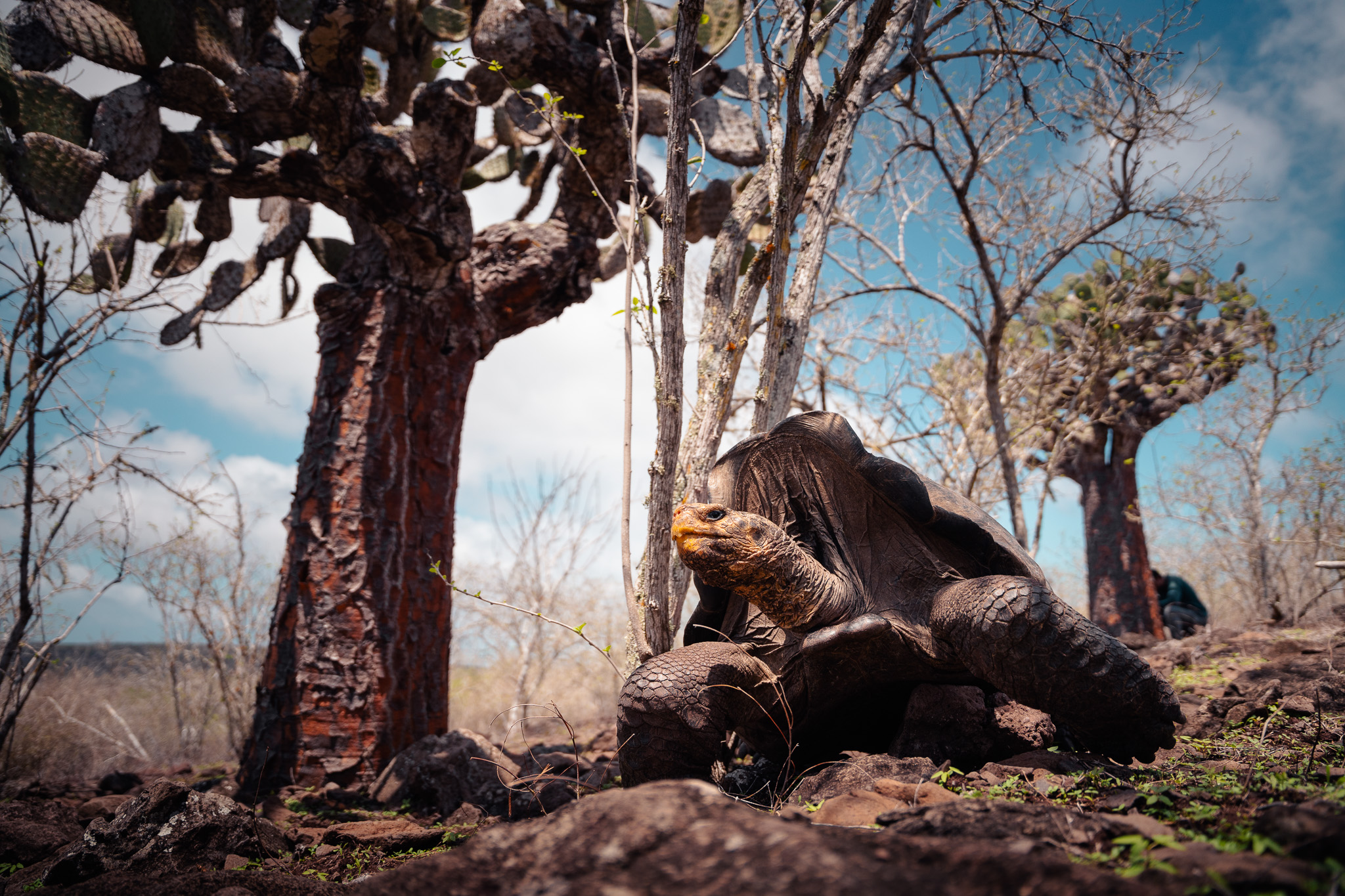
February 20, 2026
For the first time in more than 180 years, giant tortoises are once again walking the landscapes of Floreana Island!
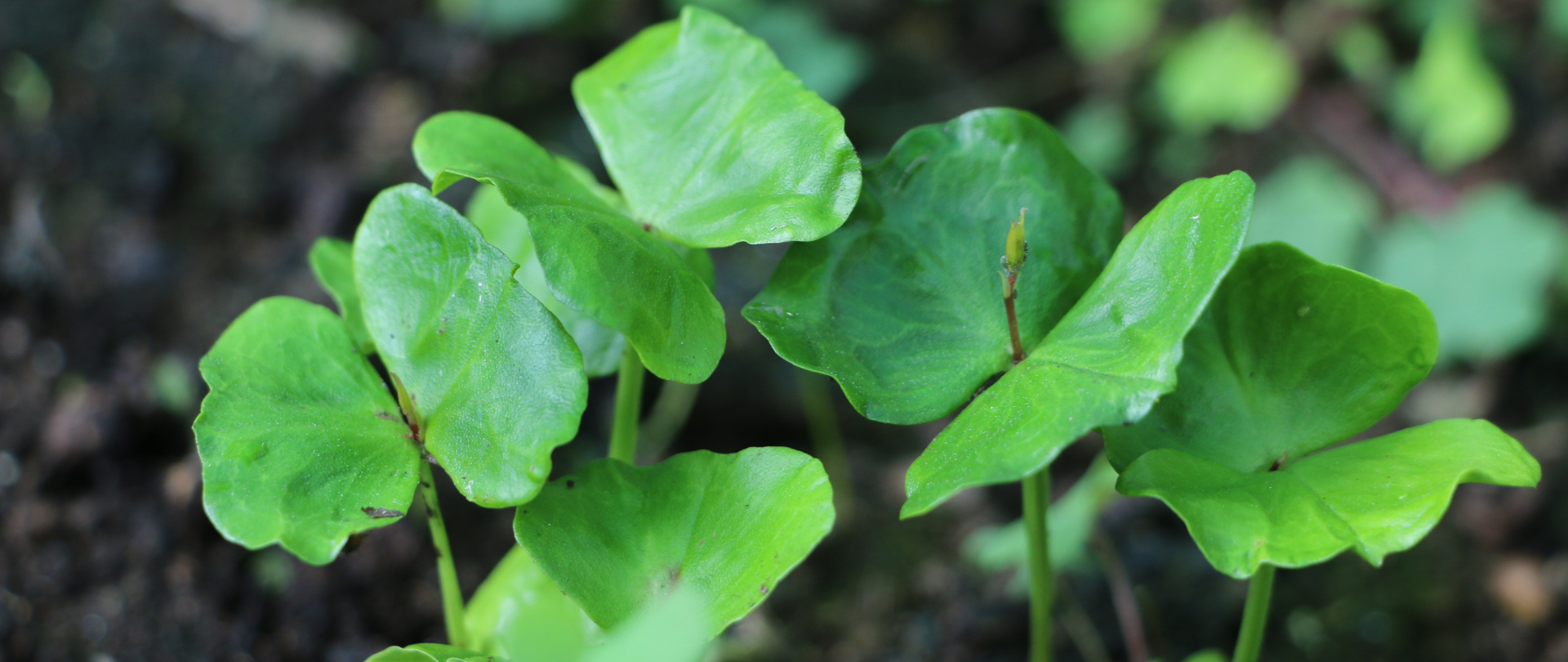
February 6, 2026
¡Mira el video de Solange y lee una entrevista sobre Robinson Crusoe! Watch Solange's video and read an interview about Robinson Crusoe!
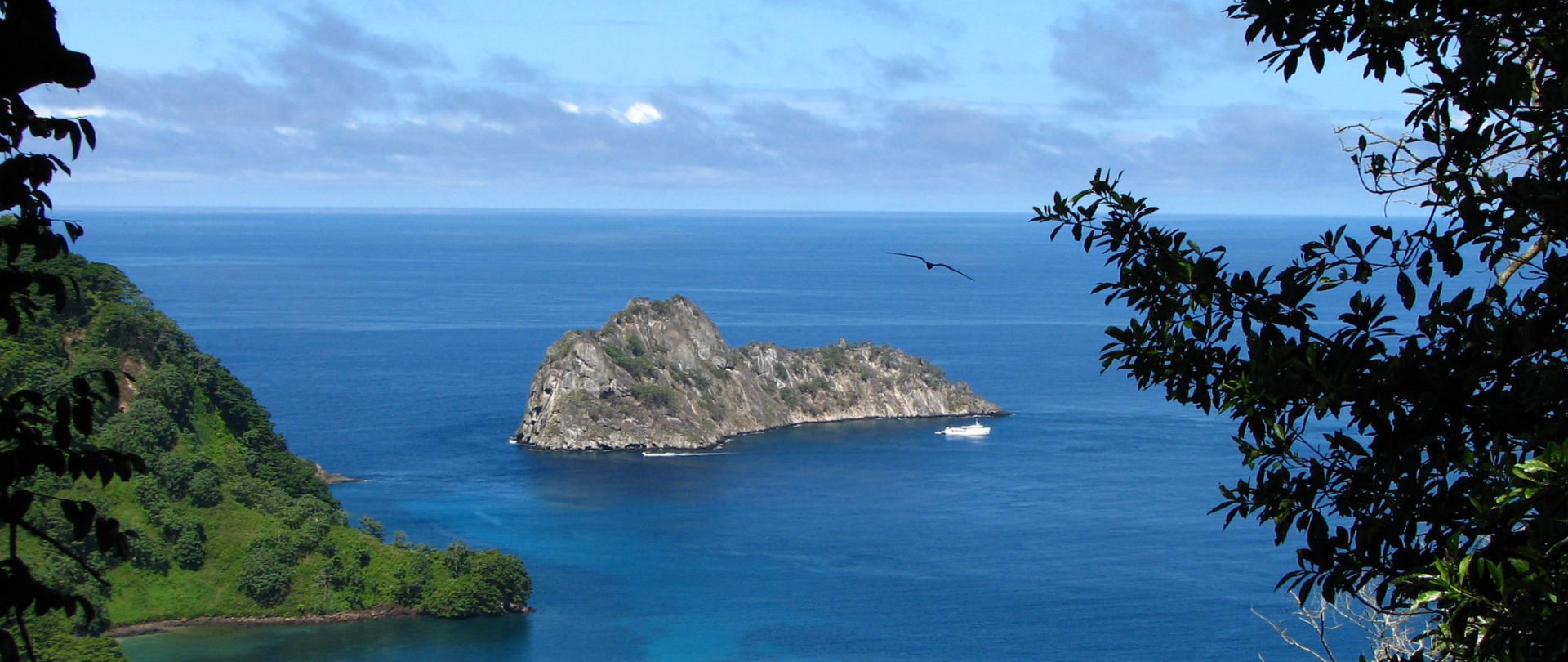
January 28, 2026
We worked with Blue Action Fund to expand marine protection in the Eastern Pacific--read about our success!
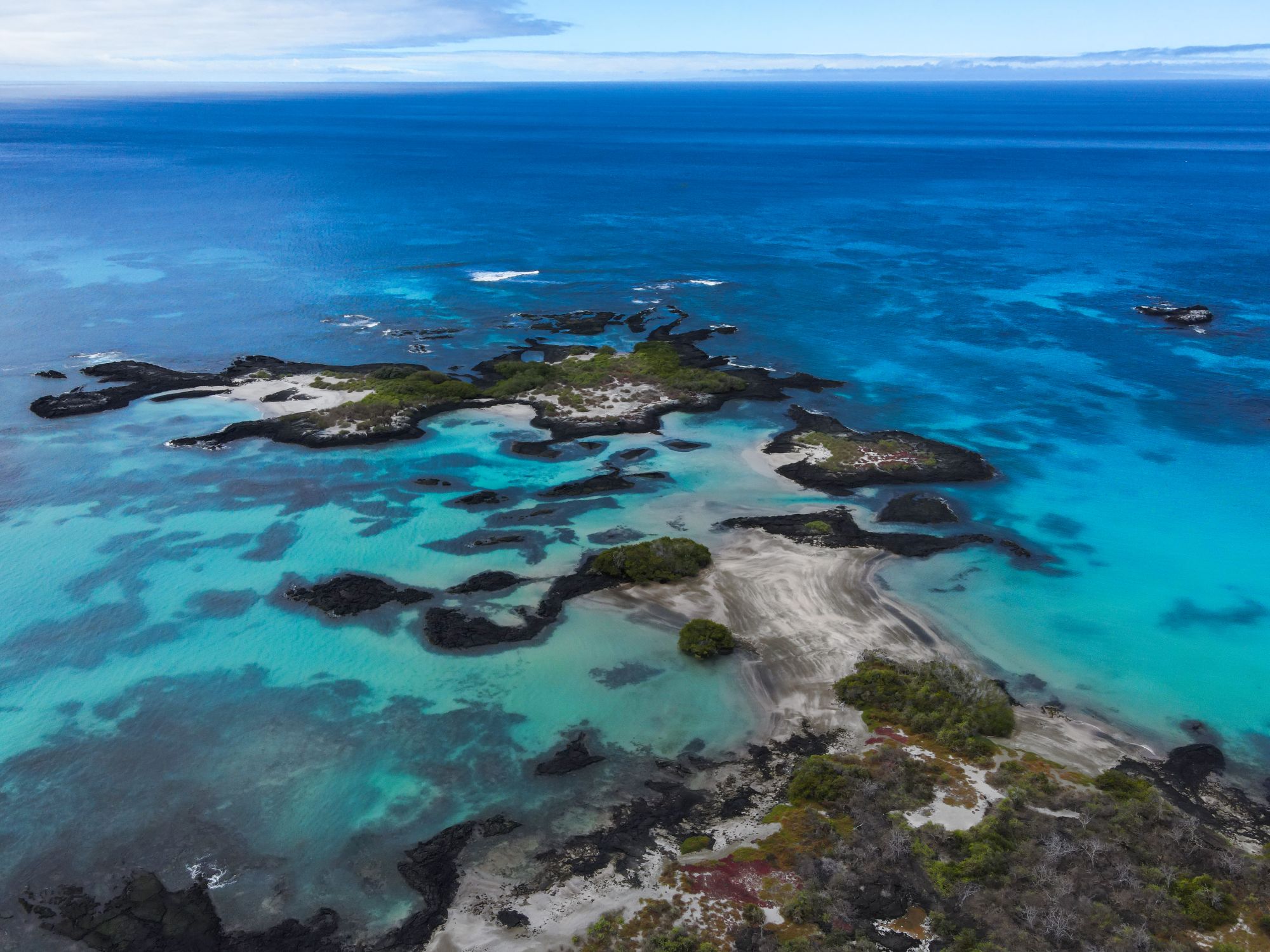
January 9, 2026
A new podcast episode explains the full benefits of holistic restoration on Floreana Island!
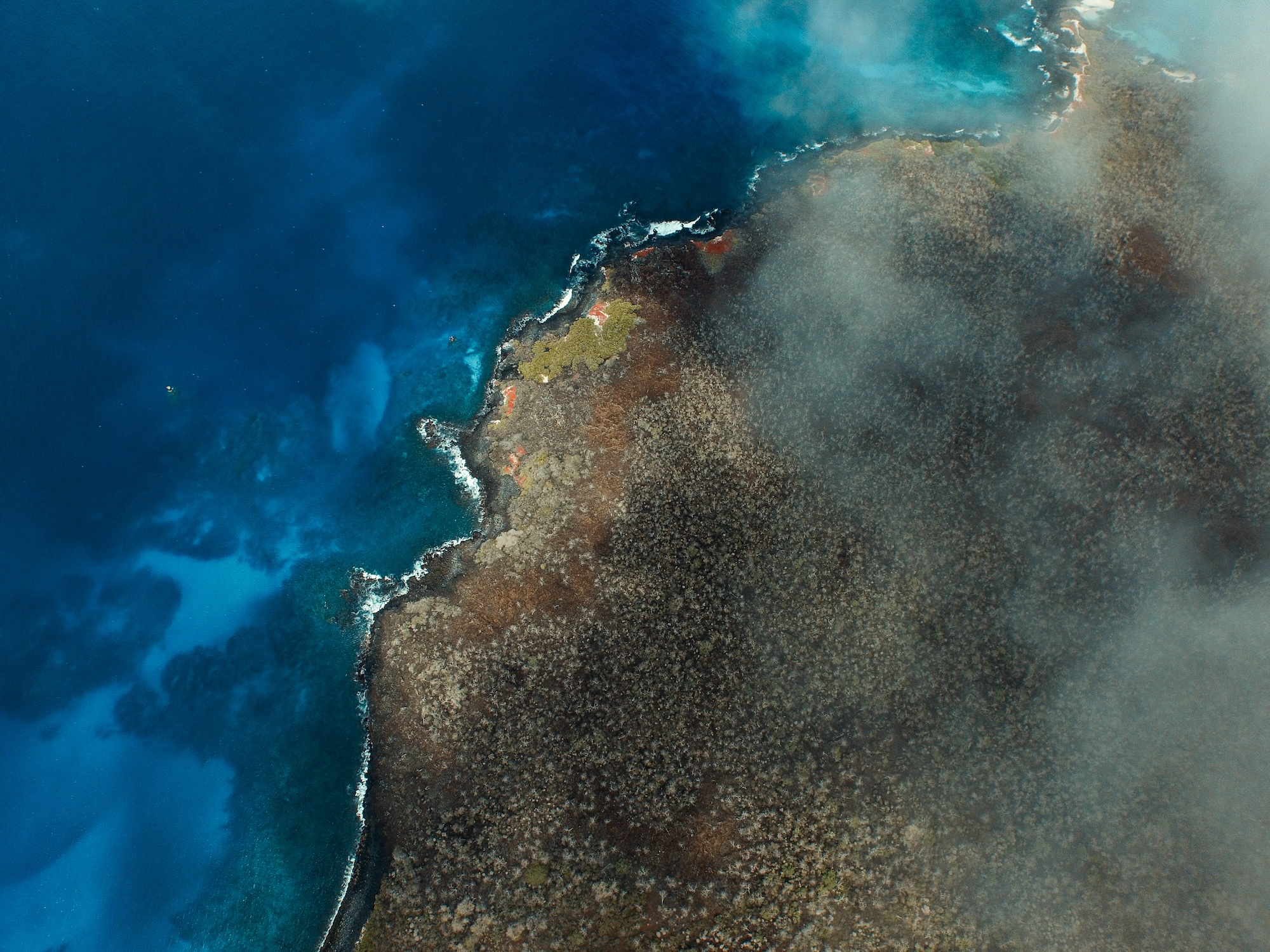
December 16, 2025
Read the full ecological story of Floreana Island in the Galápagos from the early settlements to today.
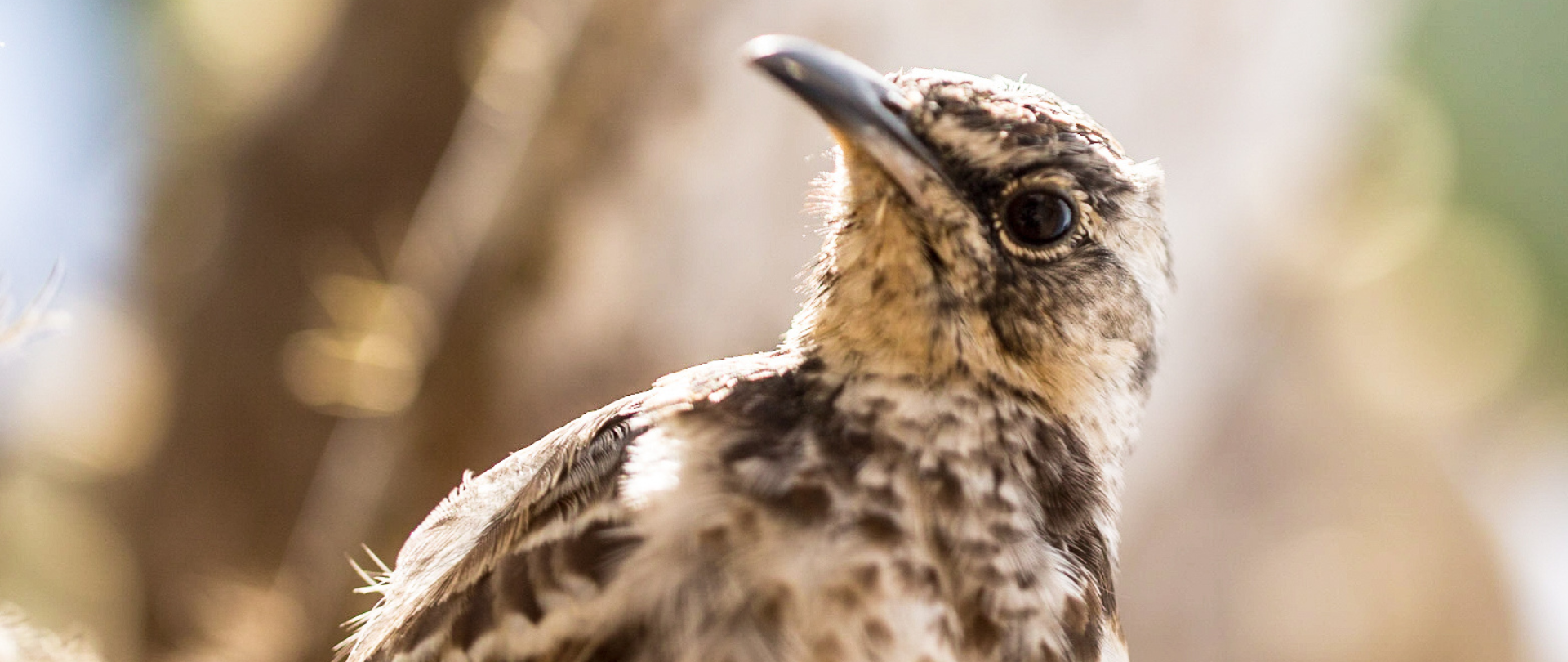
November 21, 2025
Holistic restoration is at work on Floreana Island, where the largest conservation project in the history of the Galápagos is underway!

October 29, 2025
Astounding evidence of recovery on Ulong Island in Palau after just one year!
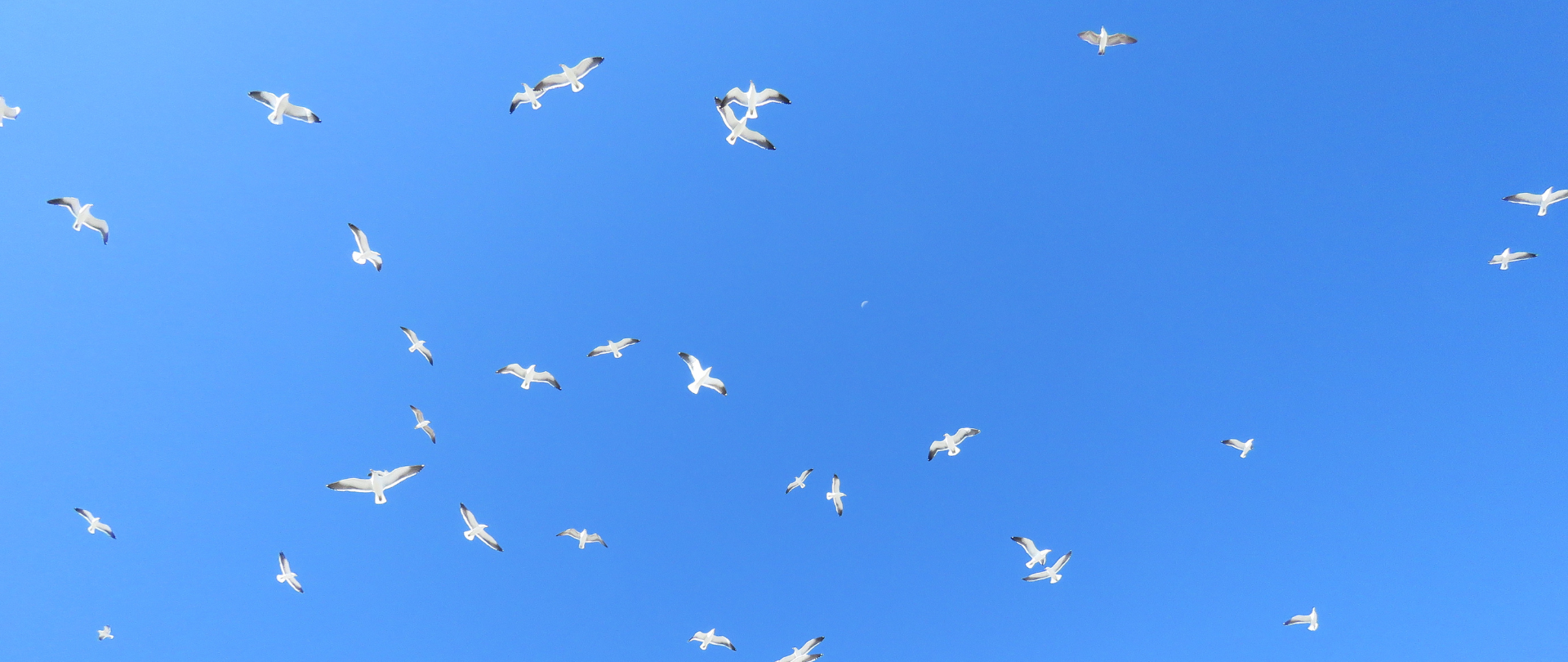
October 26, 2025
A new study shows the power of seabirds to drive entire ecosystems by circulating nutrients between land and sea!
September 30, 2025
Astonishing results from our work to restore sites in the Republic of the Marshall Islands, boosting climate resilience and ocean health!