January 28, 2026
Island Conservation and Blue Action Fund Celebrate Success in Marine Protection for the Eastern Pacific
We worked with Blue Action Fund to expand marine protection in the Eastern Pacific--read about our success!
 Island Conservation
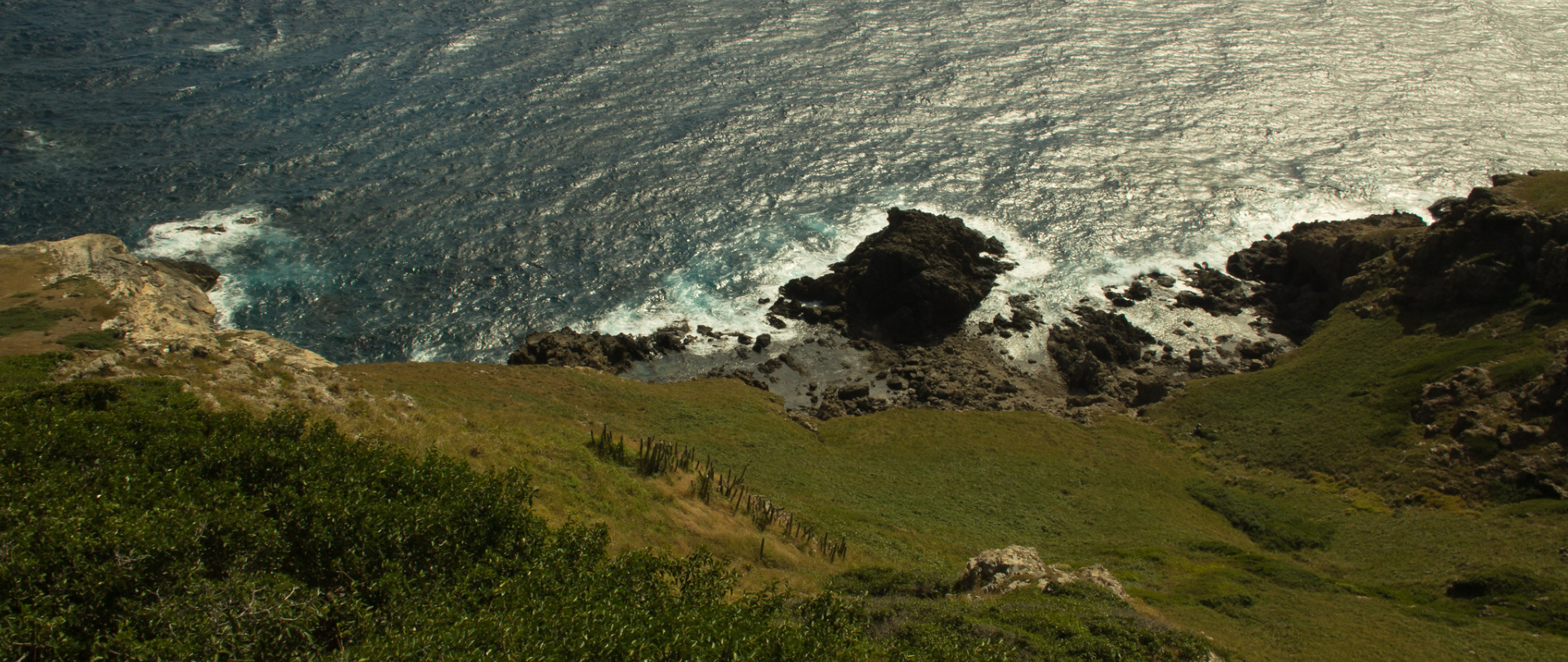
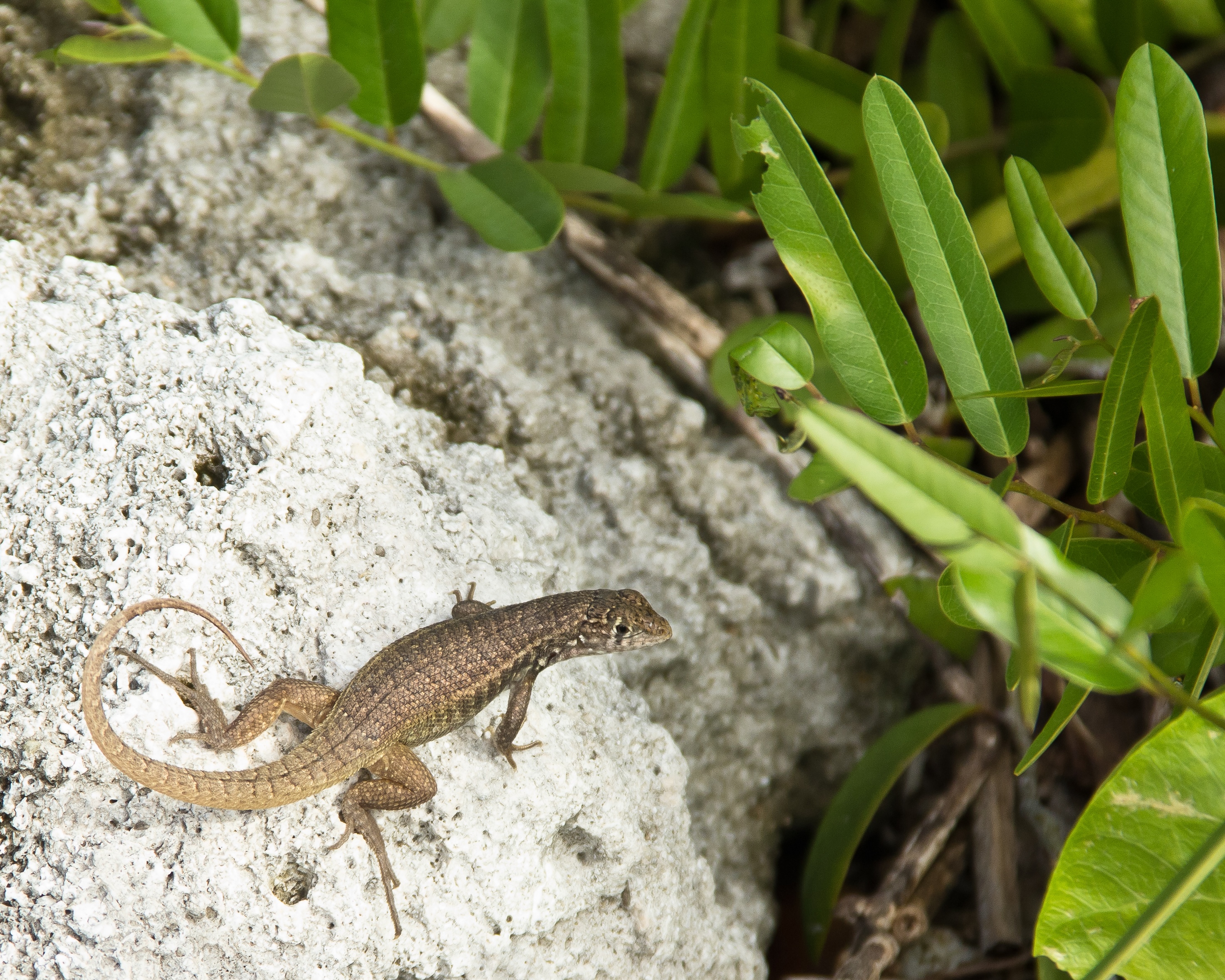
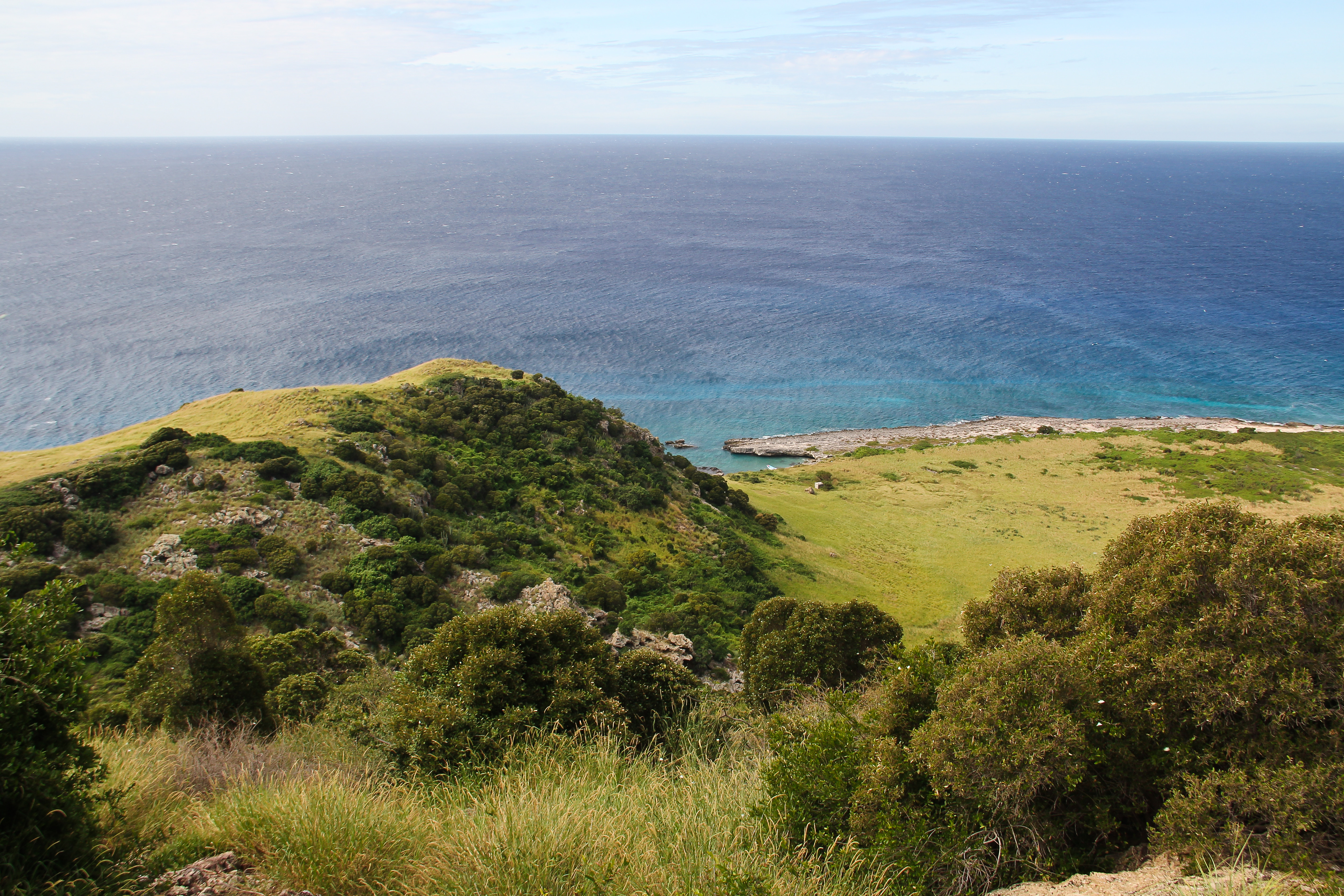
Alto Velo Island, Dominican Republic is a small yet vital piece of the Caribbean’s ecological puzzle. Recognized as an Important Bird Area and a Key Biodiversity Area, the 1.02 km2 (0.39 sq mi) island is home to several endemic species, including the Critically Endangered Alto Velo Curlytail and Alto Velo Anole. It also boasts the largest breeding colony of Sooty Terns in the Caribbean.
However, invasive species, including feral cats and black rats, have severely threatened this biodiversity. But there’s hope. The holistic restoration of Alto Velo through invasive species removal and the reintroduction of native seabirds promises to revive the island’s natural ecosystem.
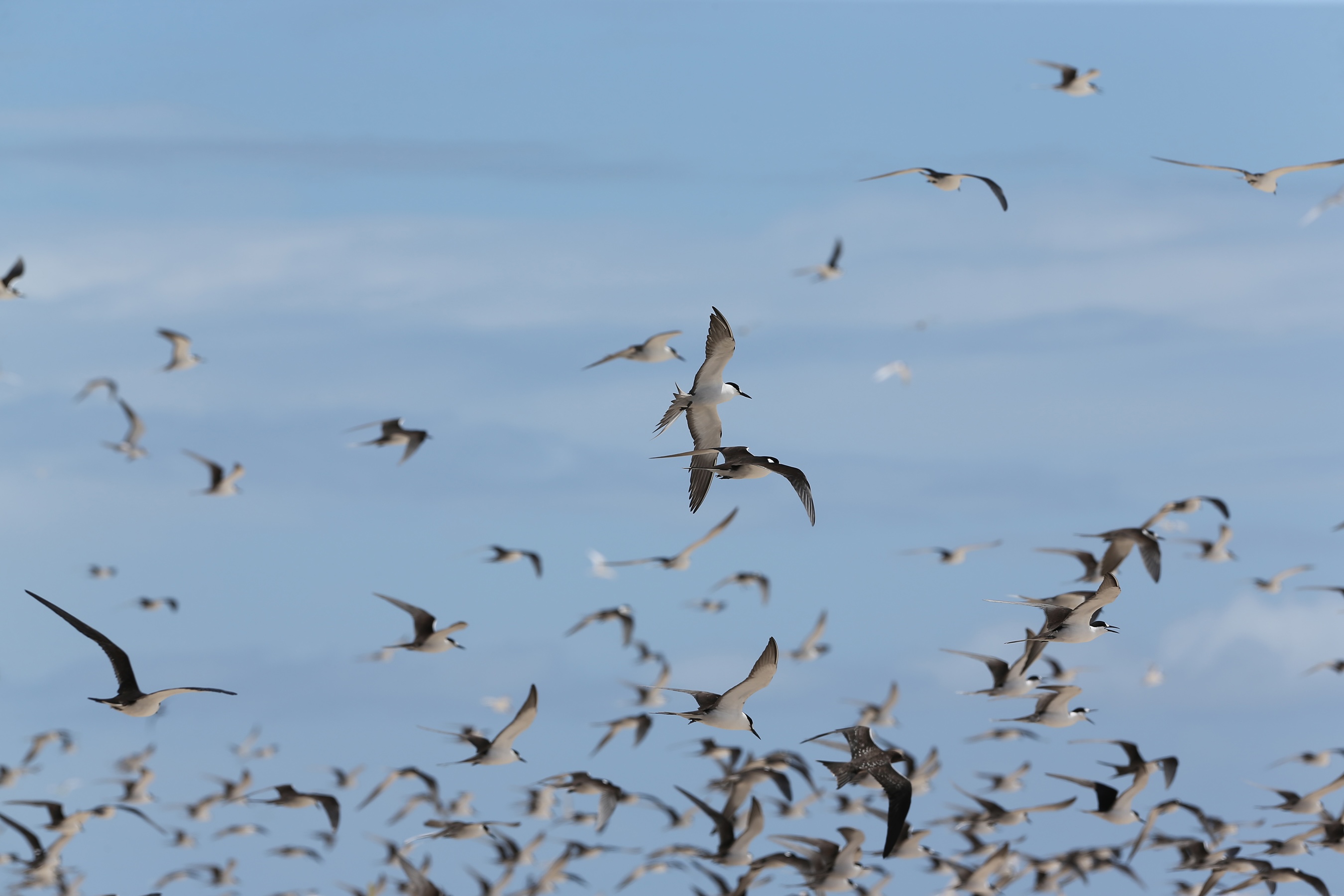
Invasive species, introduced during guano mining and egg harvesting in the 18th and 19th centuries, are pushing many of Alto Velo’s native species to the point of extinction, including the Critically Endangered Alto Velo Curlytail and the Alto Velo Anole. The island’s seabird populations, once thriving, are also suffering. The Sooty Tern now has a population only 25% of its size from 70 years ago.
Jorge Brocca
Executive Director of SOH Conservación leading work on IOCC island Alto Velo, Dominican Republic
The restoration project on Alto Velo Island aims to reverse these impacts by eradicating invasive species and fostering the recovery of native populations. This ambitious effort, led by the American Bird Conservancy (ABC), SOH Conservation, and Island Conservation, with support from the Ministerio de Medio Ambiente y Recursos Naturales and the Critical Ecosystem Partnership Fund, will unfold in several phases: planning, implementation, restoration, and monitoring. The removal of invasive species will pave the way for the natural regeneration of the island’s ecosystem. Holistic restoration is an all-encompassing strategy that accelerates recovery and ensures long-term success.

The removal of invasive species will have profound benefits for Alto Velo’s endemic reptiles. The Alto Velo Curlytail is expected to recolonize its former range, leading to population stabilization and reduced extinction risk. Seabirds, crucial for nutrient cycling between marine and terrestrial environments, will also thrive.
The partners plan to use social attraction techniques, such as decoys and sound recordings, to encourage seabirds like the Black-capped Petrel to recolonize the island. This will not only boost seabird numbers but also improve the overall health of the island’s ecosystem, benefiting terrestrial and marine life alike.
Sea McKeon
Marine Program Director, American Bird Conservancy
With leadership coming from local organizations and government entities, the Alto Velo Restoration Project will build local capacity for future conservation initiatives in the region. This includes training in biosecurity measures to prevent the reintroduction of invasive species, ensuring the long-term success of the restoration efforts.
Chad Hanson
Deputy Vice President Conservation, Island Conservation
The project serves as a model for similar conservation efforts across the Caribbean, showcasing the power of collaborative, science-based action. By eradicating invasive species and restoring native habitats, we can ensure that Alto Velo remains a sanctuary for biodiversity and a beacon of hope for island conservation worldwide.
Want more information on Island-Ocean Connection Challenge projects? Please visit our Projects Page.
To keep up with the team at Island Conservation, subscribe to our Newsletter.
You can donate here to support our mission to holistically restore islands for nature, oceans, and people.
The Critical Ecosystem Partnership Fund (CEPF) is a joint initiative of l’Agence Française de Développement, Conservation International, the European Union, the Fondation Hans Wilsdorf, the Global Environment Facility, the Government of Japan and the World Bank. The CEPF Phase II investment (August 2021–July 2026) in the Caribbean Islands Biodiversity Hotspot is financed through the Critical Ecosystem Partnership Fund – Caribbean Hotspot Project of the World Bank, using funds provided by the Government of Japan.
Check out other journal entries we think you might be interested in.
January 28, 2026
We worked with Blue Action Fund to expand marine protection in the Eastern Pacific--read about our success!
January 9, 2026
A new podcast episode explains the full benefits of holistic restoration on Floreana Island!
December 16, 2025
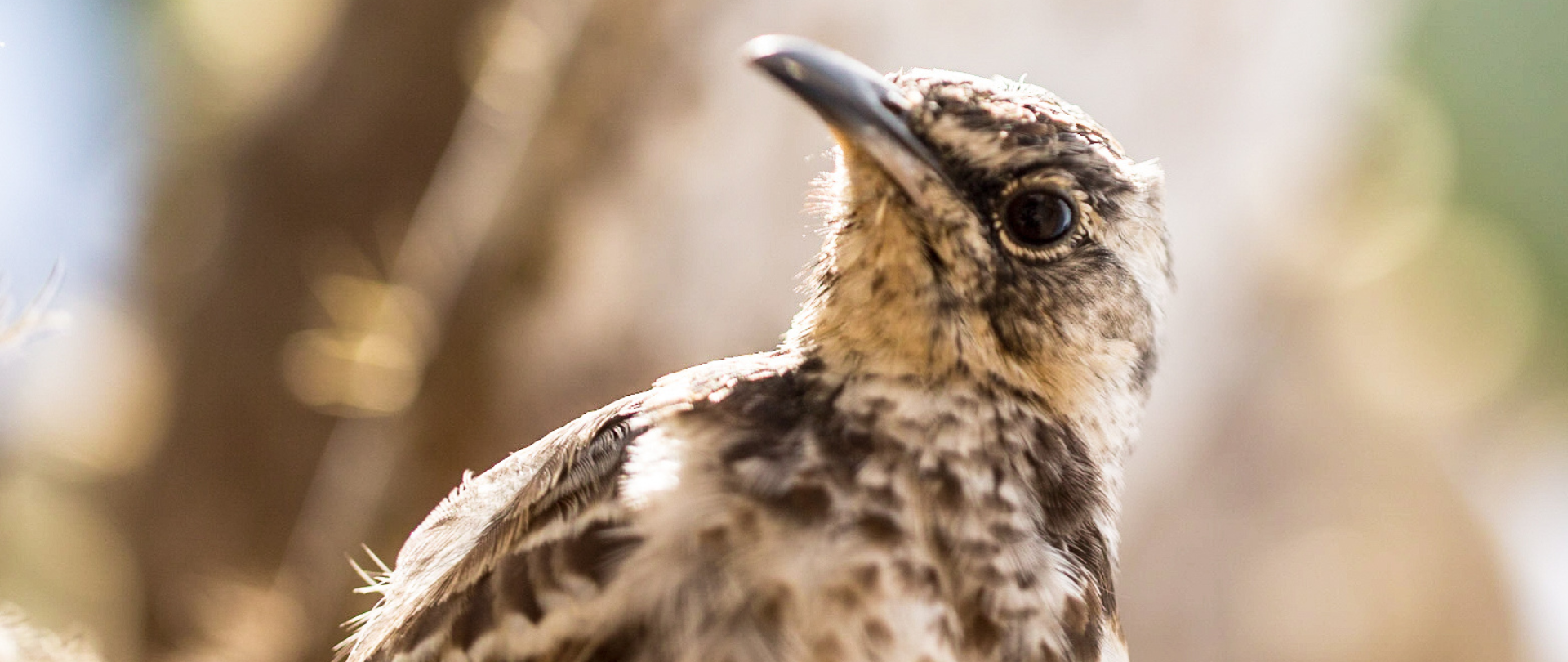
Read the full ecological story of Floreana Island in the Galápagos from the early settlements to today.
November 21, 2025
Holistic restoration is at work on Floreana Island, where the largest conservation project in the history of the Galápagos is underway!

October 29, 2025
Astounding evidence of recovery on Ulong Island in Palau after just one year!
September 30, 2025
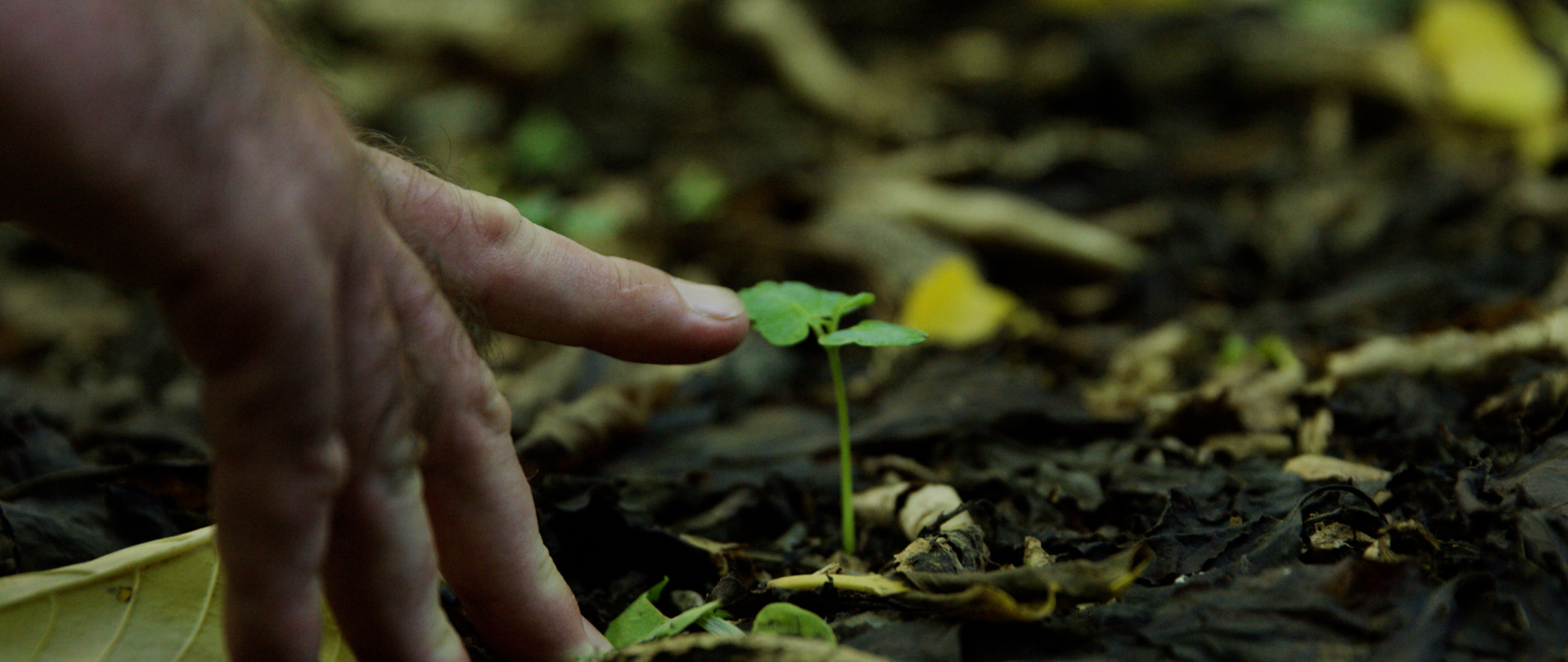
Astonishing results from our work to restore sites in the Republic of the Marshall Islands, boosting climate resilience and ocean health!
September 24, 2025
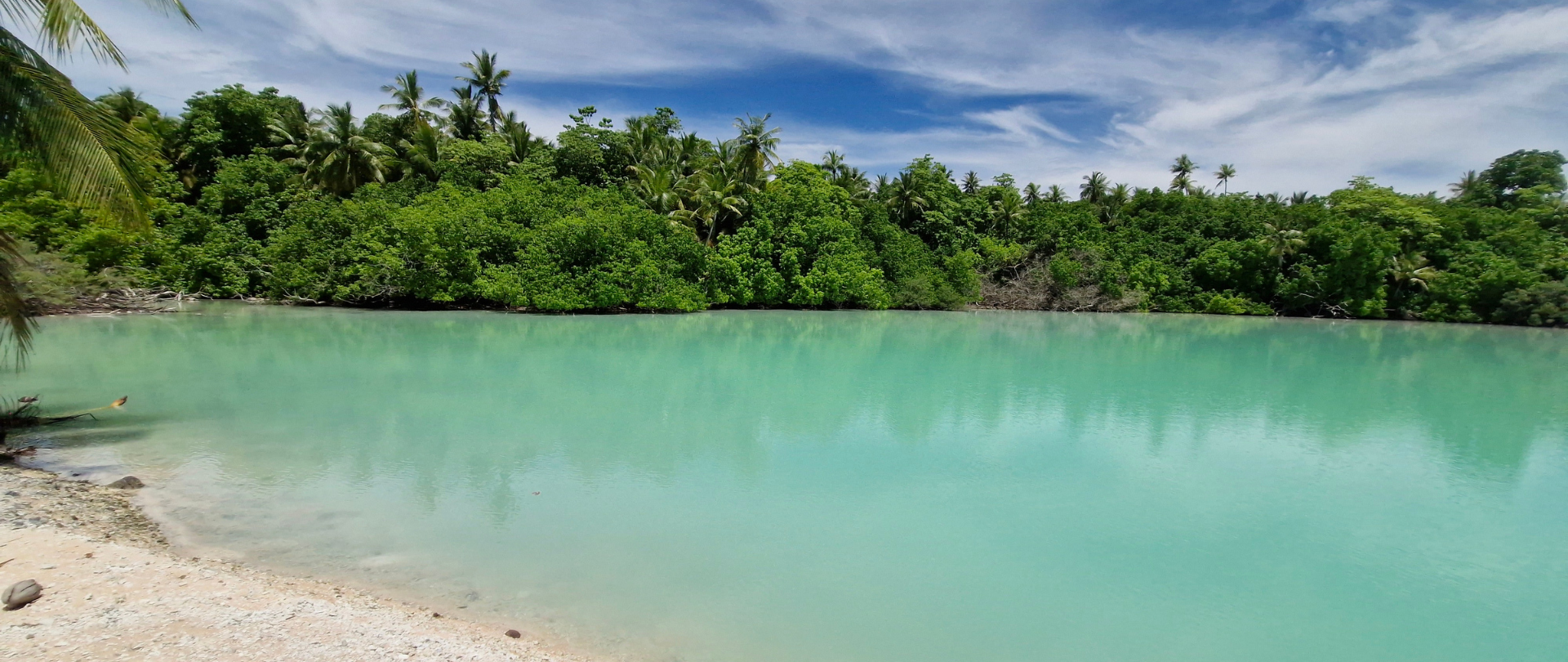
Don't let its comparatively small land area fool you--Tokelau is a world leader in conservation!
September 4, 2025
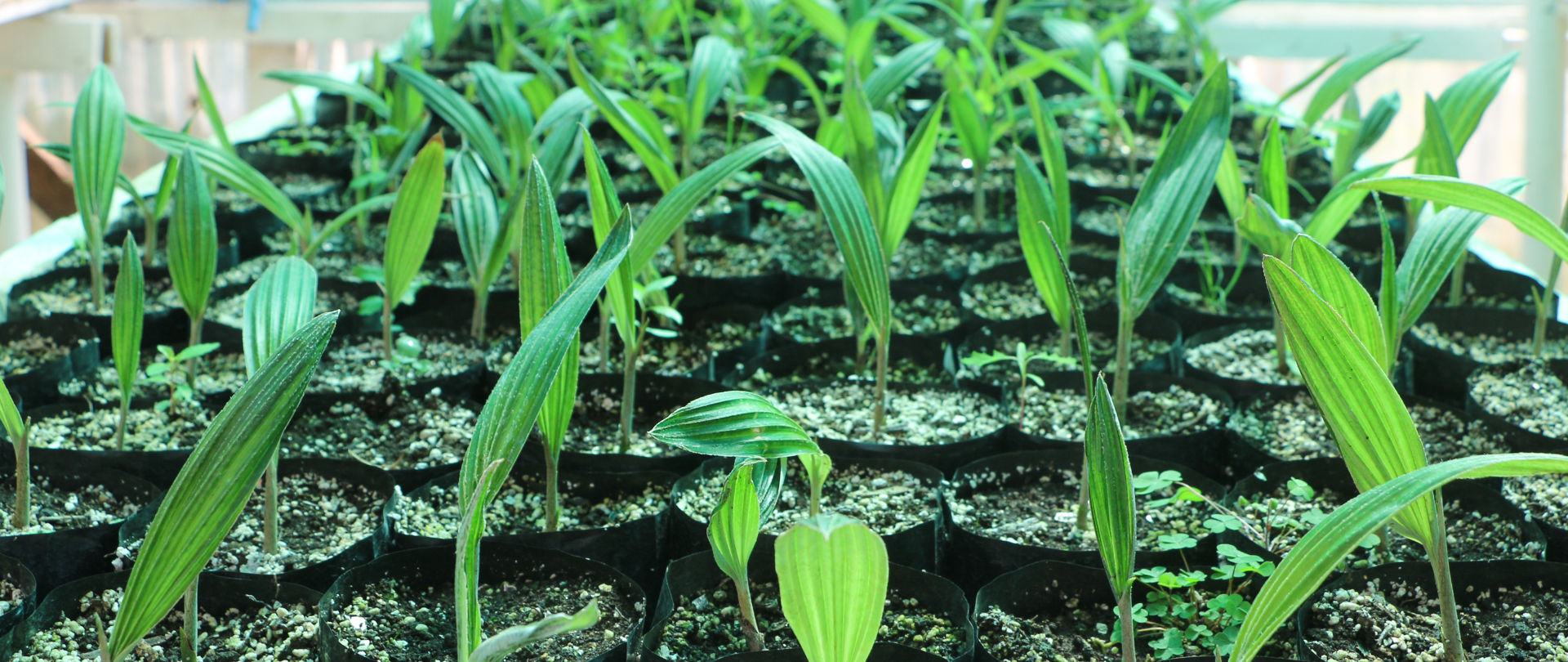
Incredible collaboration and success in the Juan Fernández Archipelago, with thousands of threatened trees benefiting from bold conservation action!

August 28, 2025
A new paper reveals the benefits of holistic restoration on Australia's Lord Howe Island!
August 19, 2025
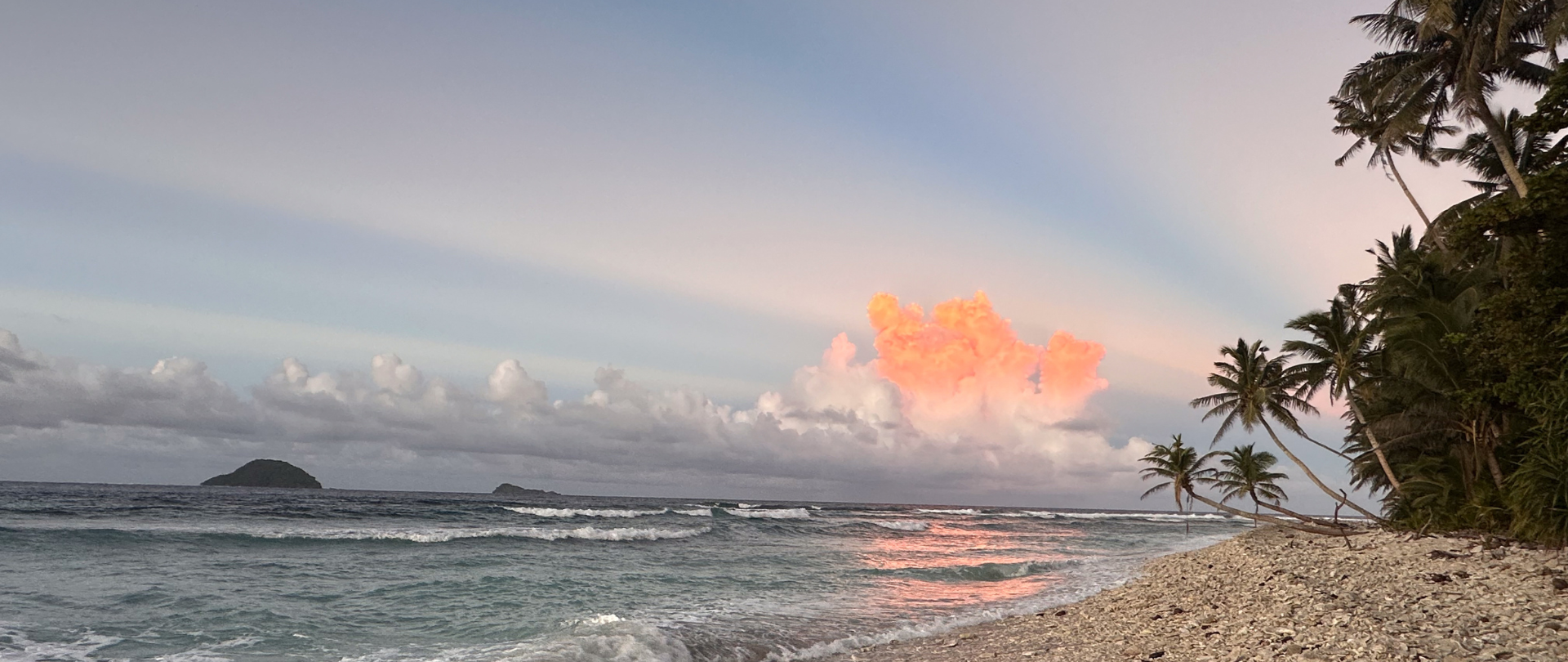
Nu'utele is a Key Biodiversity Site for Samoa. Our work there with our collaborators will help revitalize the island's rare, precious species and boost its resilience to climate change!