December 22, 2025
Remote Sensing on Islands: Seeing Ecosystems Through Data
Elke Windschitl, our Conservation Impact Data Specialist, gives us the lowdown on
 Island Conservation
Read the original article in the New Yorker Magazine article here.
Genetically modified organisms are nothing new, and over the past decade, gene drive technology, a form of genetic modification designed to spread a gene or specific trait throughout a population, has continued to grow. It presents an incredible opportunity for people and the environment. In a recent New Yorker Magazine article, entitled “CRISPR and the Splice to Survive,” journalist and best-selling author Elizabeth Kolbert dives into the world of gene drive research. She touches on aspects of gene drive research from altering the toxin produced by cane toads to recovering nearly-extinct trees to eradicating invasive mice through attrition, all to understand the possibilities this tool could hold.
Gene drives are a naturally occurring phenomenon where one gene has a greater than 50% chance of being passed down to the next generation. Thanks to a technology called the CRISPR-Cas system, humans can edit the genetic code of an organism and create a gene drive, which can help prevent the spread of diseases and the extinction of wildlife.
Kolbert interviewed Dr. Paul Thomas of the University of Adelaide, a partner in the Genetic Biocontrol of Invasive Rodents (GBIRd) partnership, along with Island Conservation, North Carolina State University, CSIRO, Texas A&M University, the USDA, and New Zealand’s Biological Heritage. GBIRd was launched in 2015, with a diverse group of experts from seven world-renowned universities, government, and not-for-profit organizations advancing gene drive research in hopes of increasing the scale of efforts to protect island communities and prevent island species extinctions. Currently, the best methodology is known as the x-shredder (a reference to the sex-determining chromosomes XX for females and XY for males), which Thomas describes saying:
“Half the sperm drop out of the sperm pool, if you like. They can’t develop any more. That leaves you with just Y-bearing sperm, so you get all male progeny.”
Based on mathematical models, a population of 50,000 invasive mice can be eradicated from an island over a few years by introducing a hundred X-shredder mice. Gene drive mice would be a game-changer for island wildlife and communities that are deeply affected by the presence of invasive rodents, which are the leading cause of extinction on islands and can transmit dangerous human pathogens. While invasive species removal is one of the most effective conservation interventions available today, current tools are only effective on 15% of islands where invasive species are present. The GBIRd partnership is committed to a step-wise, values-based, scientific, ecological, social, and ethical investigations and risk-assessments. Gene drive research still faces challenges with regards to technical capabilities and social acceptance, Kolbert notes that in-action is not entirely an option:
The strongest argument for gene editing cane toads, house mice, and ship rats is also the simplest: what’s the alternative? The choice at this point is not between what was and what is but between what is and what will be, which often enough is nothing.”
If we are to tackle the global extinction crisis, methods such as gene drive need to be invested-in and investigated. Otherwise, we will miss the chance to save island wildlife while island communities continue to face human-health and economic devastation as a result of invasive species.
“Rejecting gene editing as unnatural isn’t, at this point, going to bring nature back.”
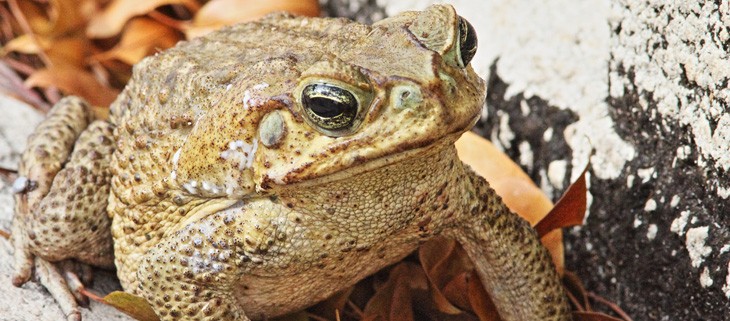
Featured photo: Cane Toad. Credit: Kenneth Cole Schneider
Source: The New Yorker Magazine
Check out other journal entries we think you might be interested in.
December 22, 2025
Elke Windschitl, our Conservation Impact Data Specialist, gives us the lowdown on

October 29, 2025
Astounding evidence of recovery on Ulong Island in Palau after just one year!

June 13, 2025
Our partner Conservation X Labs has joined the IOCC, committing to deploying transformative technology to protect island ecosystems!
May 19, 2025
Read our position paper on The 3rd United Nations Ocean Conference (UNOC 3) to see why we're attending and what we aim to accomplish!
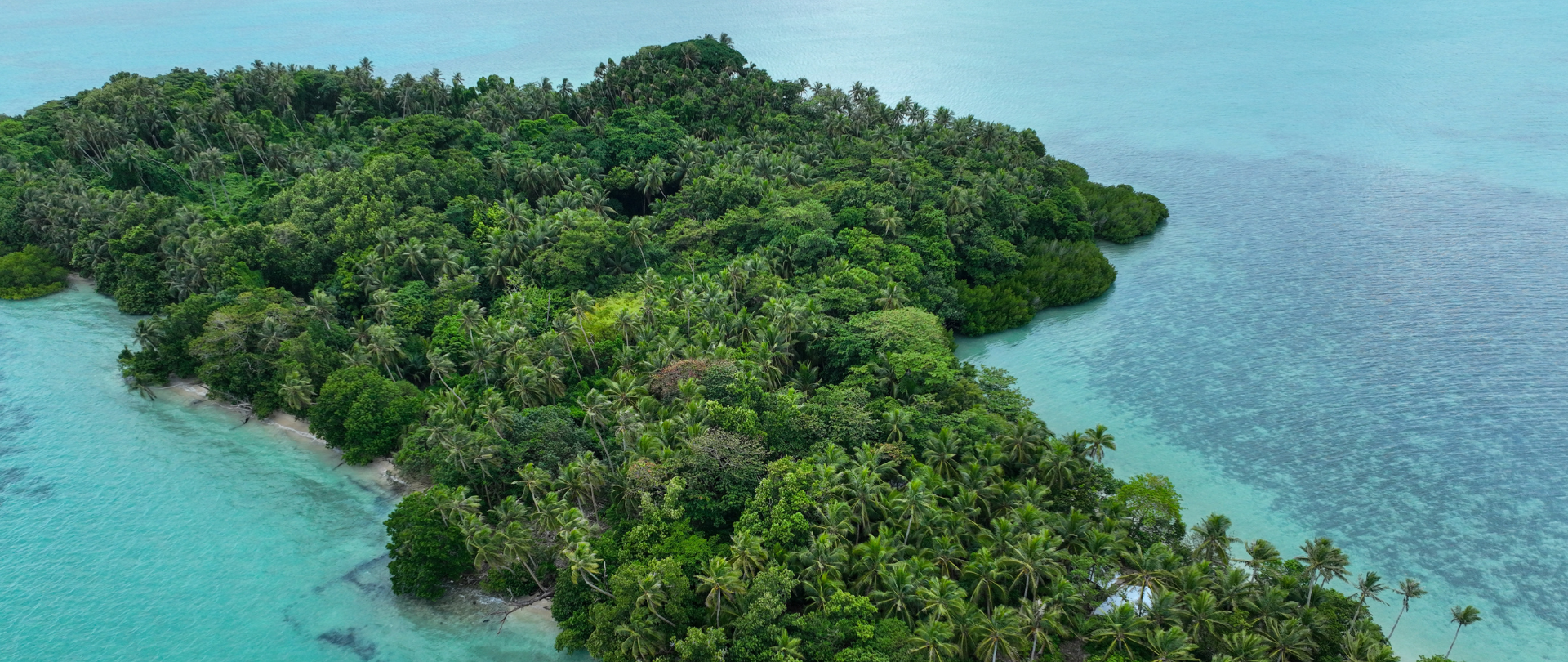
December 4, 2024
Ann Singeo, founder of our partner organization the Ebiil Society, shares her vision for a thriving Palau and a flourishing world of indigenous science!
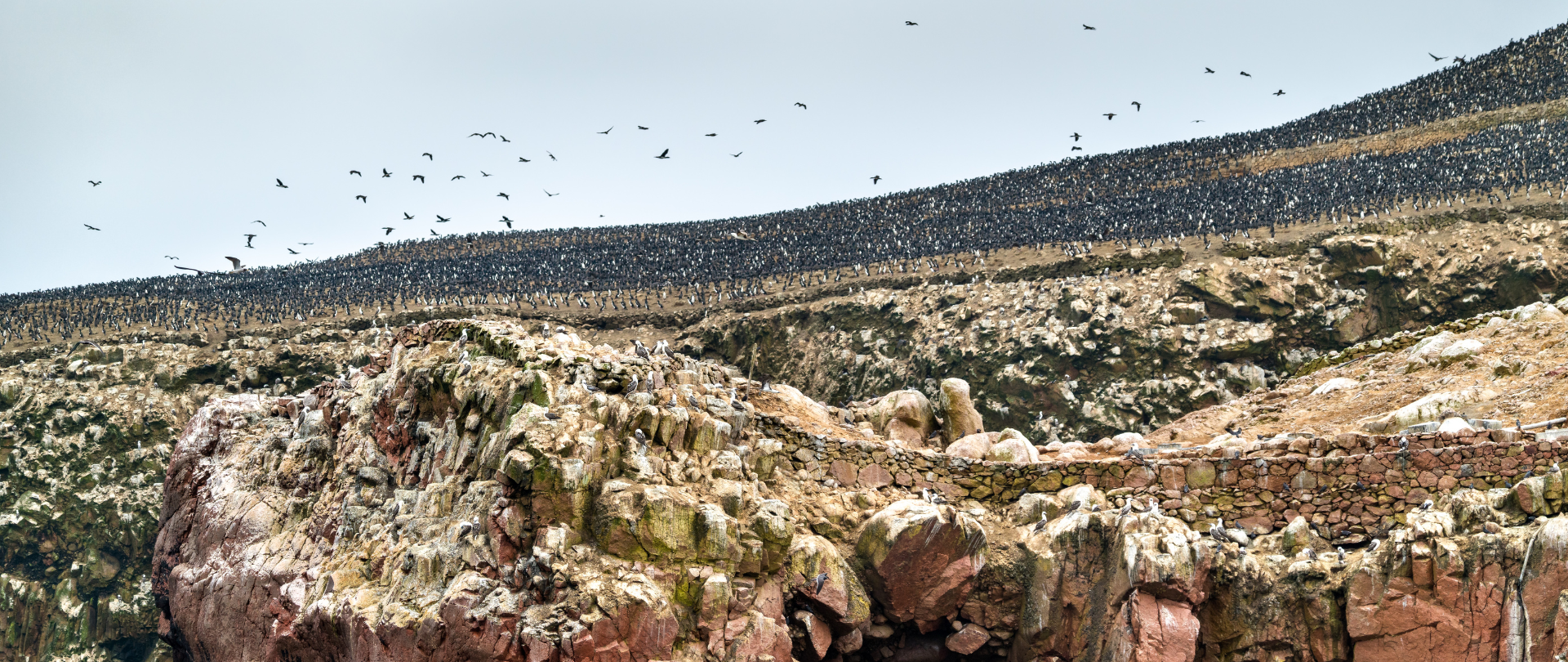
November 22, 2024
This historic agreement aims to protect the marine and coastal areas of the Southeast Pacific.
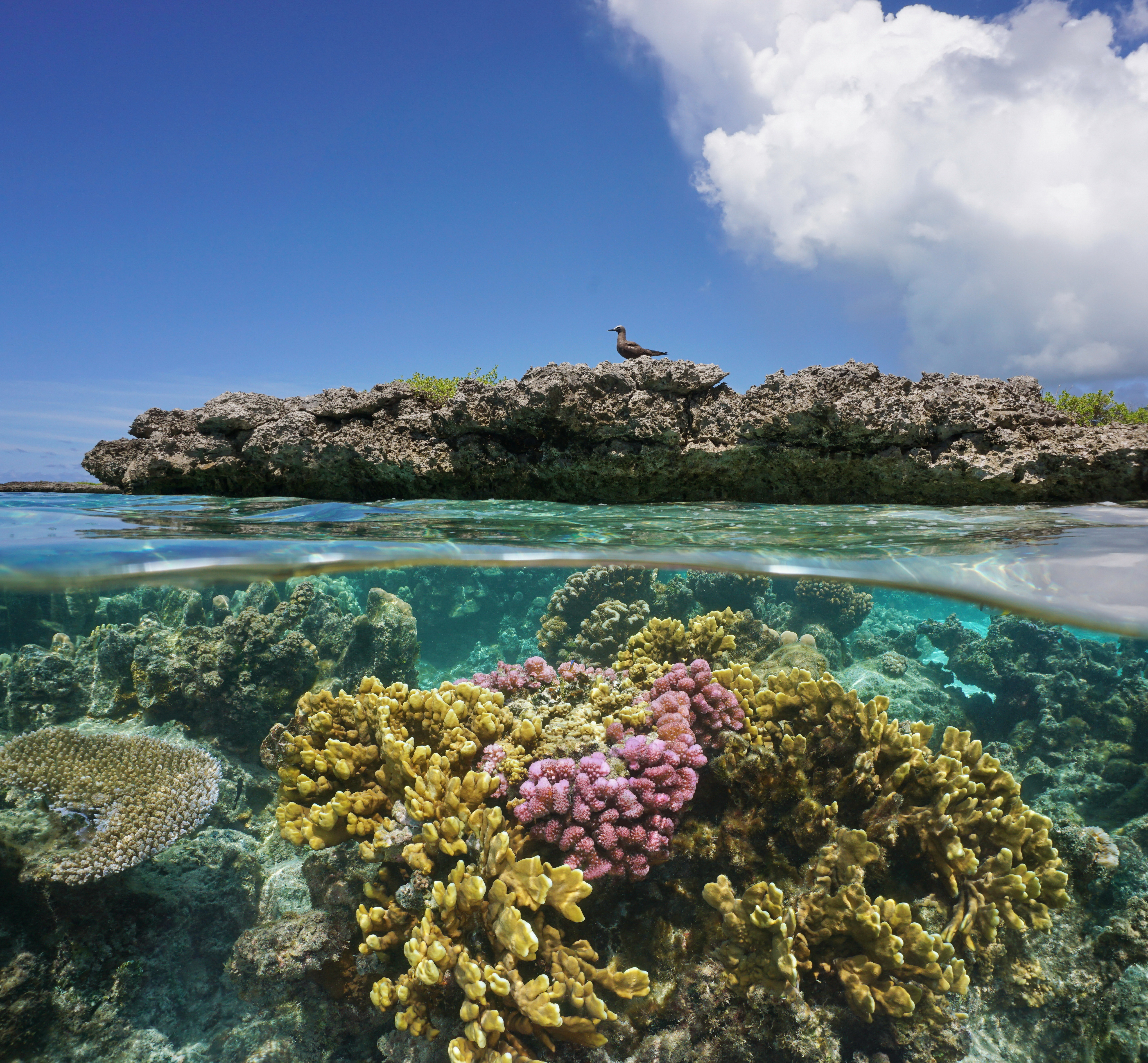
November 18, 2024
Our projects to restore key islets in Nukufetau Atoll forecast climate resilience and community benefits in Tuvalu!
October 3, 2024
Island Conservation and partners have published a new paper quantifying ecosystem resilience on restored islands!
September 10, 2024
Climate Week NYC: what is it and why is it important? Read on to find out why Island Conservation is attending this amazing event!
September 5, 2024
With sea levels on the rise, how are the coastlines of islands transforming? Read on to find out how dynamic islands really are!