October 29, 2025
Data Shows Endangered Palau Ground Doves Swiftly Recovering After Successful Palauan Island Conservation Effort
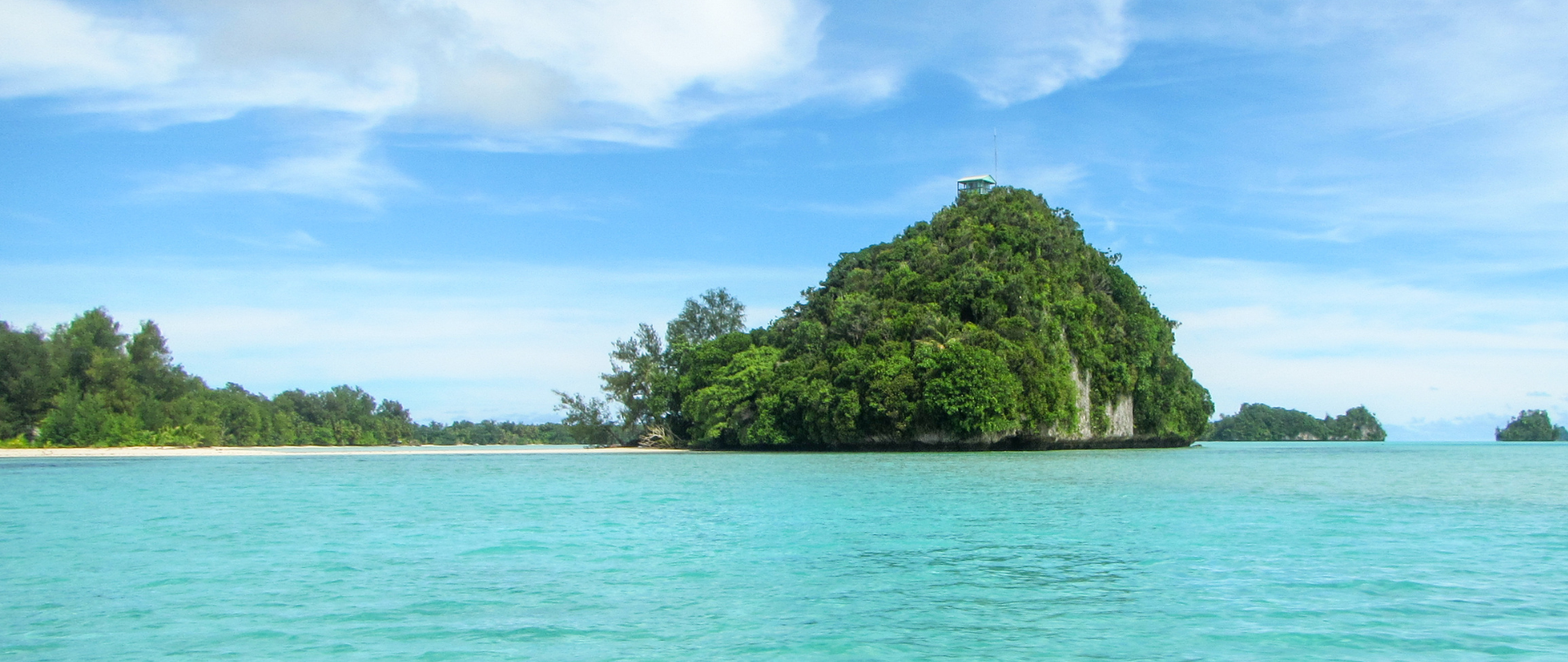
Astounding evidence of recovery on Ulong Island in Palau after just one year!
 Island Conservation
Let’s say you’re trying to kickstart the economy of a small town that once used to thrive. You tell all your friends to go visit the town. You send out a rallying cry for investors. You pay for advertising that promotes opportunities for a new life. Soon enough, people are drawn to your town, and the economy starts booming.
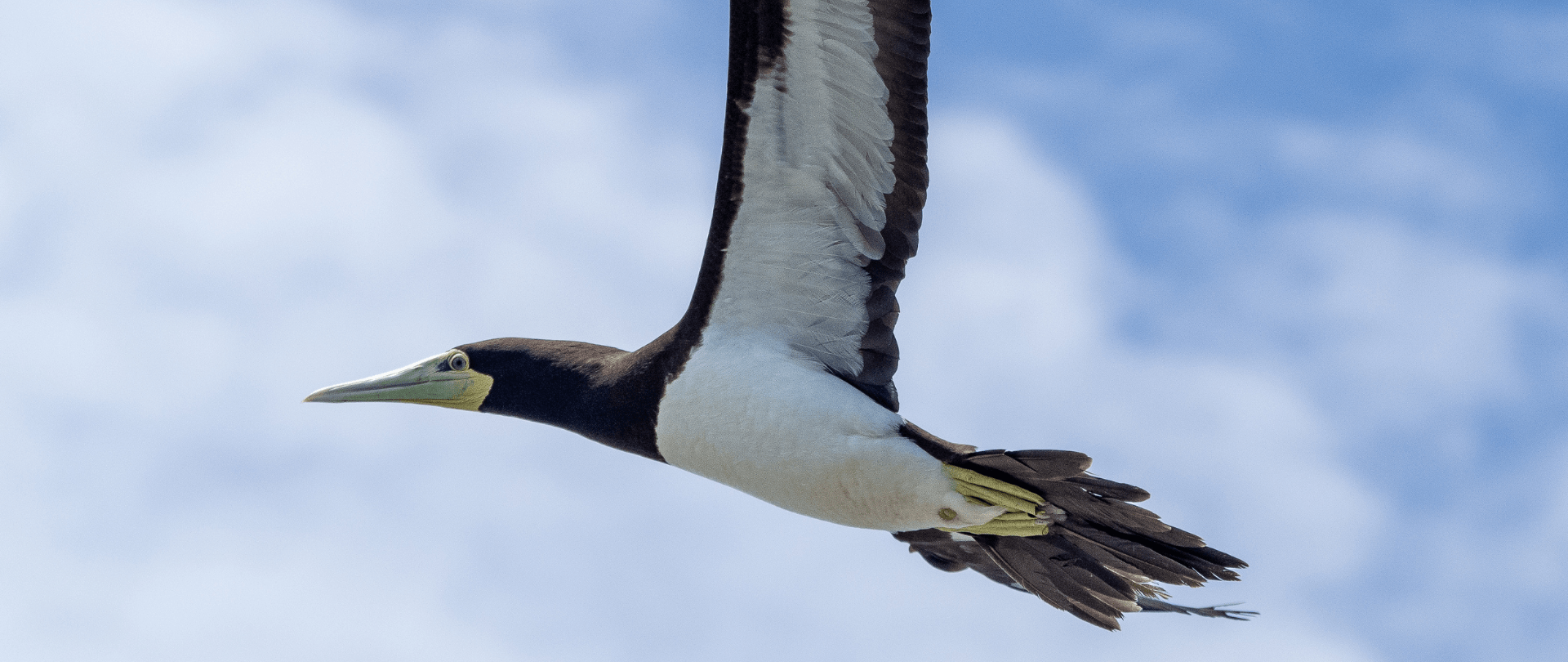
But what if, instead of a small town, you want to rewild a previously damaged island-ocean ecosystem? And instead of it being about the economy, you want biodiversity to “boom”? Well, the same principle applies! Only this time, you use methods like social attraction and translocation to turn the island from a barren landscape into one buzzing with birds, mammals and reptiles!
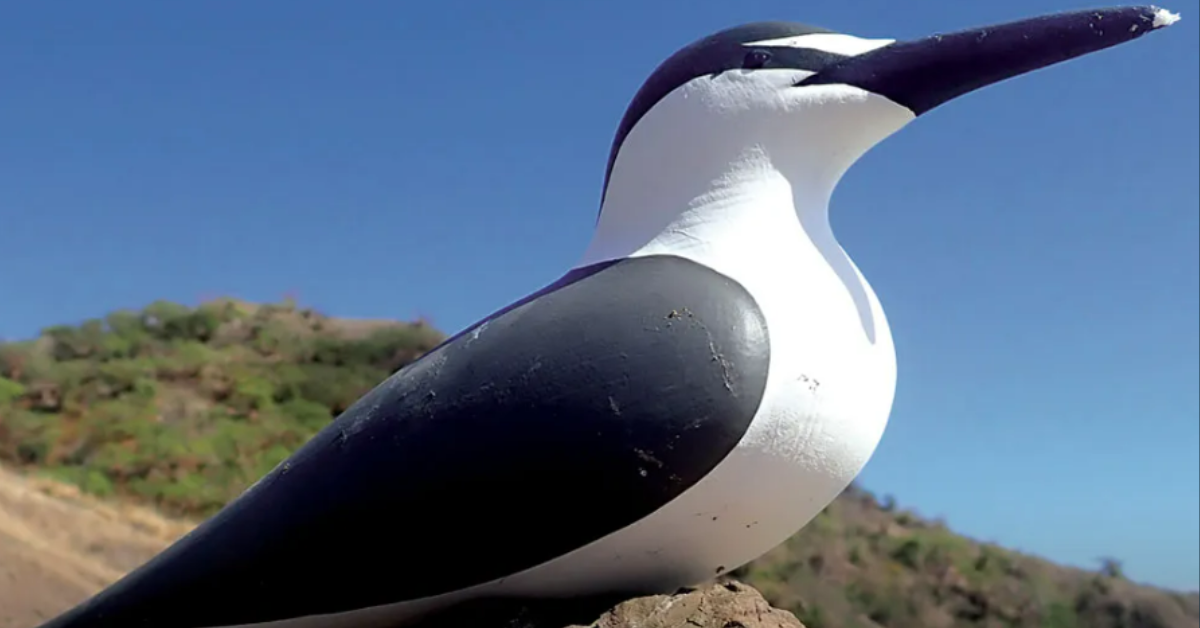
A new study, authored by Dr. Dena Spatz of Pacific Rim Conservation with contributions by Island Conservation staff, provides a robust framework through which to track social attraction and translocation – specifically when it comes to reestablishing seabird populations on islands, which are crucial to sustaining an island-ocean ecosystem. As the authors explain:
The global loss of biodiversity has inspired actions to restore nature across the planet. Translocation and social attraction actions deliberately move or lure a target species to a restoration site to reintroduce or augment populations and enhance biodiversity and ecosystem resilience.”
And they’re incredibly effective tools! It’s best to track these recoveries over a long period – five years is recommended – but they work. In fact, Island Conservation has been using social attraction methods for years, such as on Desecheo and Chañaral.
Our very own Conservation Science Program Manager, Coral Wolf, contributed to the large, collated dataset for this paper by providing updates and results of Island Conservation’s social attraction efforts. As she explains, scientists approach the challenge by utilizing what is called “passive restoration” and “active restoration.”
“Passive restoration allows species to rebound on their own and in their own time,” says Coral. “And what is great is that it doesn’t require an intervention once the invasive species threat is removed. We’ve documented some fantastic examples of extirpated species recolonizing islands unaided in just a few short years.”
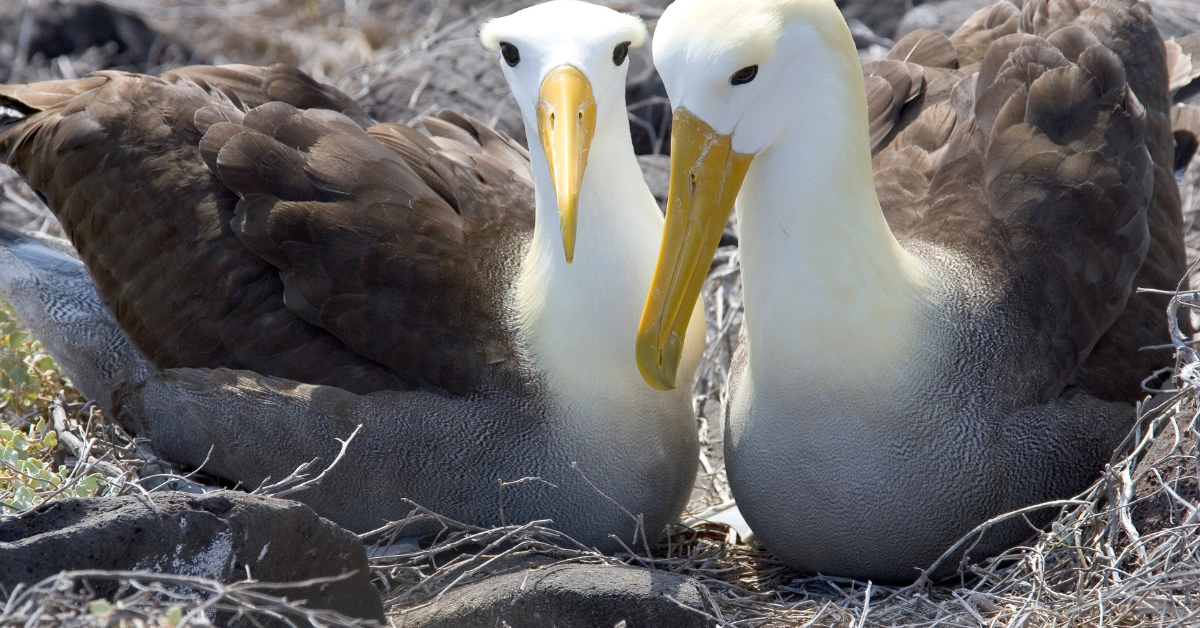
However, sometimes restoration ecologists are interested in giving sites a jump start, especially if would take a significant amount of time for the safe habitat to be discovered and embraced by the birds. That’s when active restoration comes into play. As Coral explains:
With active restoration, tools like social attraction and translocation can be used to either attract or physically bring species back to locations they may never have found on their own or at a much quicker pace than would have occurred naturally.”
The study synthesizes 851 events, covering 138 species in 551 locations and 36 countries, and pulls on 1,400 resources and over 300 experts. It’s the kind of detailed, thorough and informed research that forms the backbone of Island Conservation’s science-based interventions.
Want to submit a scientific paper or new conservation research we should be aware of? You’re welcome to send it to info@islandconservation.org!
Check out other journal entries we think you might be interested in.

October 29, 2025
Astounding evidence of recovery on Ulong Island in Palau after just one year!
October 26, 2025
A new study shows the power of seabirds to drive entire ecosystems by circulating nutrients between land and sea!

August 28, 2025
A new paper reveals the benefits of holistic restoration on Australia's Lord Howe Island!
August 14, 2025
A new scientific paper reveals how seabird-derived nutrients can rebalance the relationship between turf algae and herbivorous fish, ultimately helping coral reefs thrive!
July 22, 2025
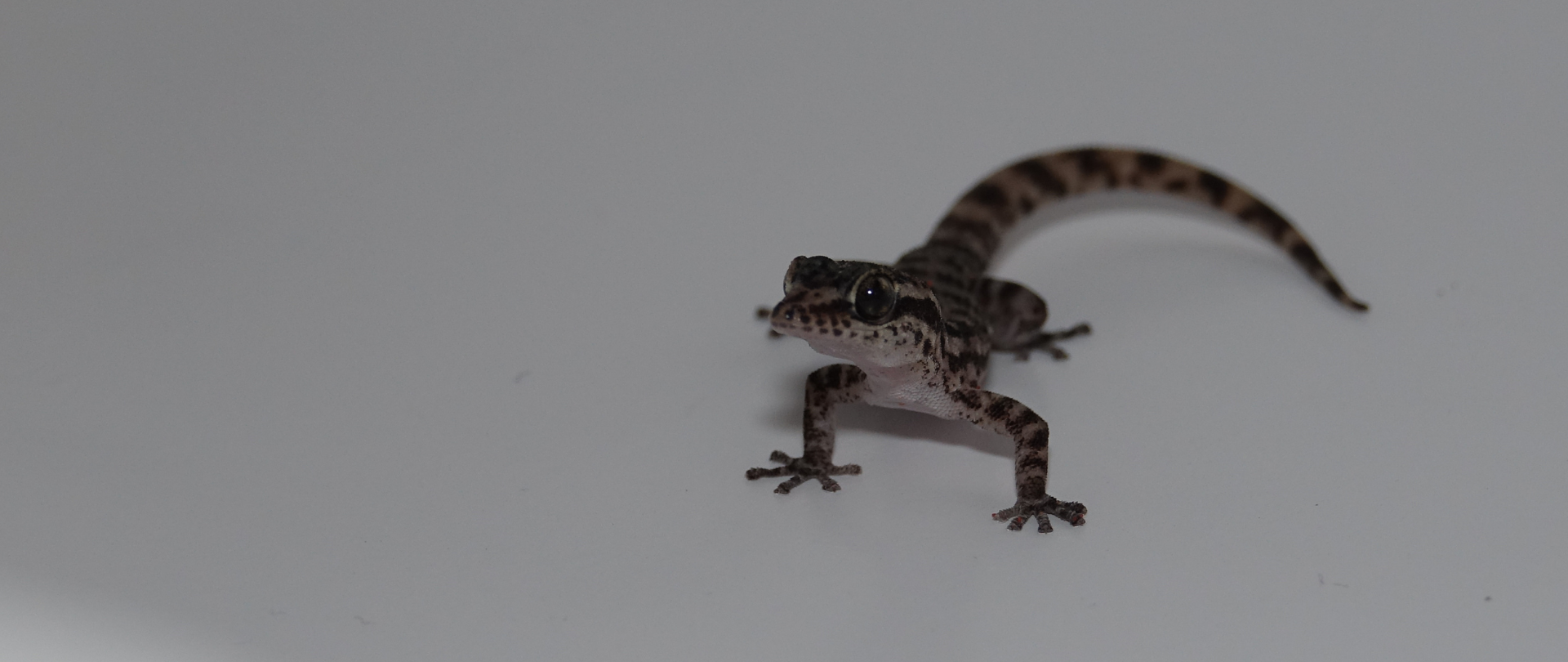
A species once thought extinct just made its comeback. A study published in PLOS ONE confirms the Leaf-toed Gecko has been rediscovered on Rábida Island in the Galápagos.
May 19, 2025
Read our position paper on The 3rd United Nations Ocean Conference (UNOC 3) to see why we're attending and what we aim to accomplish!
January 13, 2025
How do islands support the world's plant biodiversity? A new study in Nature reveals just how important islands are for plants around the world.
December 9, 2024
Groundbreaking research has the potential to transform the way we monitor invasive species on islands!
December 4, 2024
Ann Singeo, founder of our partner organization the Ebiil Society, shares her vision for a thriving Palau and a flourishing world of indigenous science!
November 22, 2024
This historic agreement aims to protect the marine and coastal areas of the Southeast Pacific.