
March 10, 2026
New MPA for Juan Fernández Protects Over Half of Chile’s Ocean Waters
The Juan Fernández Archipelago is part of a new Marine Protected Area that protects the highest concentration of marine species found nowhere else on Earth!
 Island Conservation
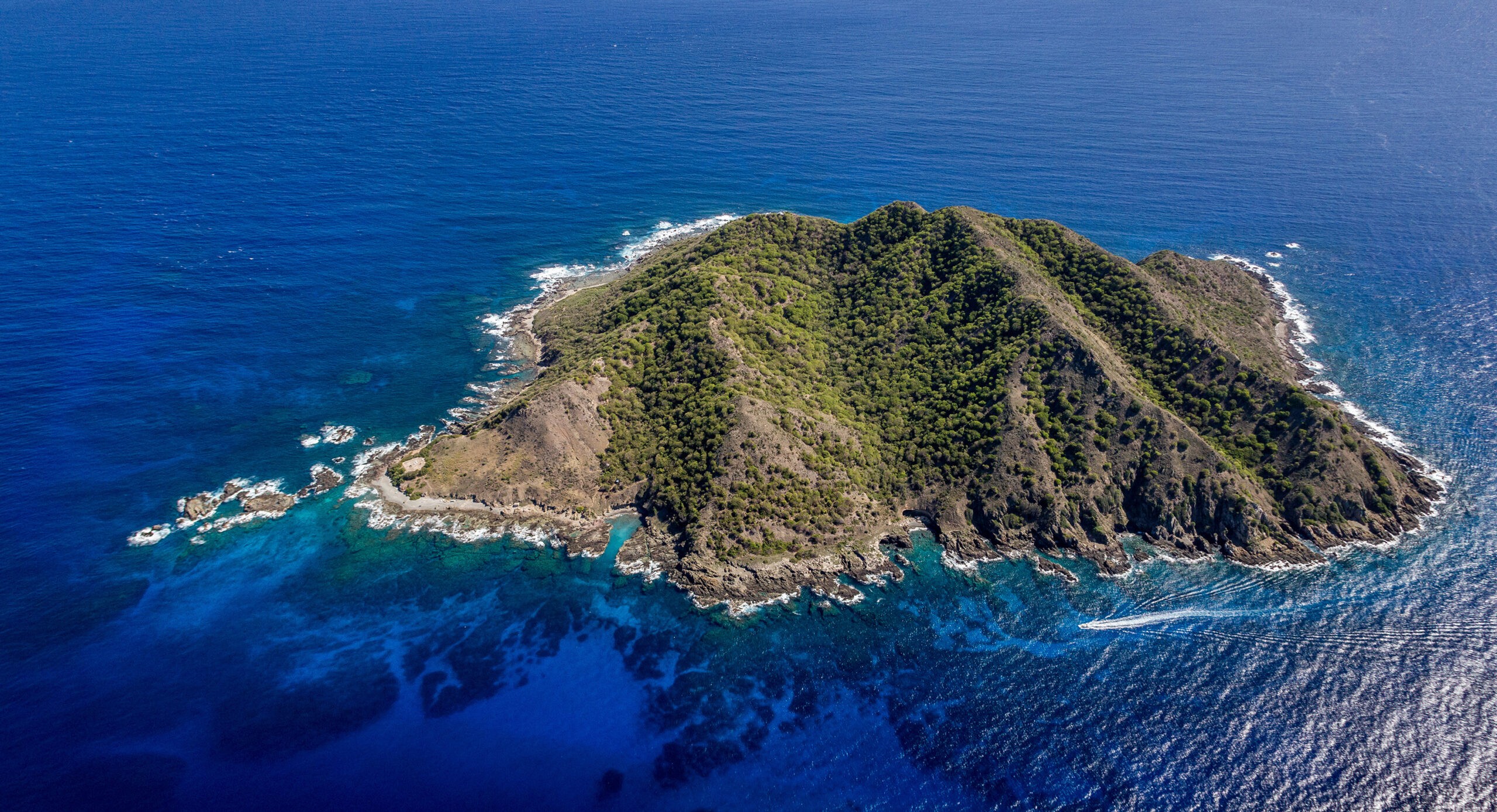
For the first time ever, an Audubon’s Shearwater nest was recorded on Desecheo Island, Puerto Rico. This is the result of a collaboration between the non—profit organization Island Conservation and the U.S. Fish and Wildlife Service to restore the island by removing invasive predators and accelerating the return of native plants and animals.
Desecheo Island is located off the northwest coast of Puerto Rico. It was designated a National Wildlife Refuge (NWR) in 1976 and is one of the nine refuges managed by U.S. Fish and Wildlife Service (USFWS) across the Caribbean. Although Desecheo used to be a critical habitat for seabirds, the introduction of invasive mammals led to habitat loss and seabird predation. As a result, five of the seven breeding seabird species disappeared from the island and the two that remained decreased to less than 2% of their original population sizes.
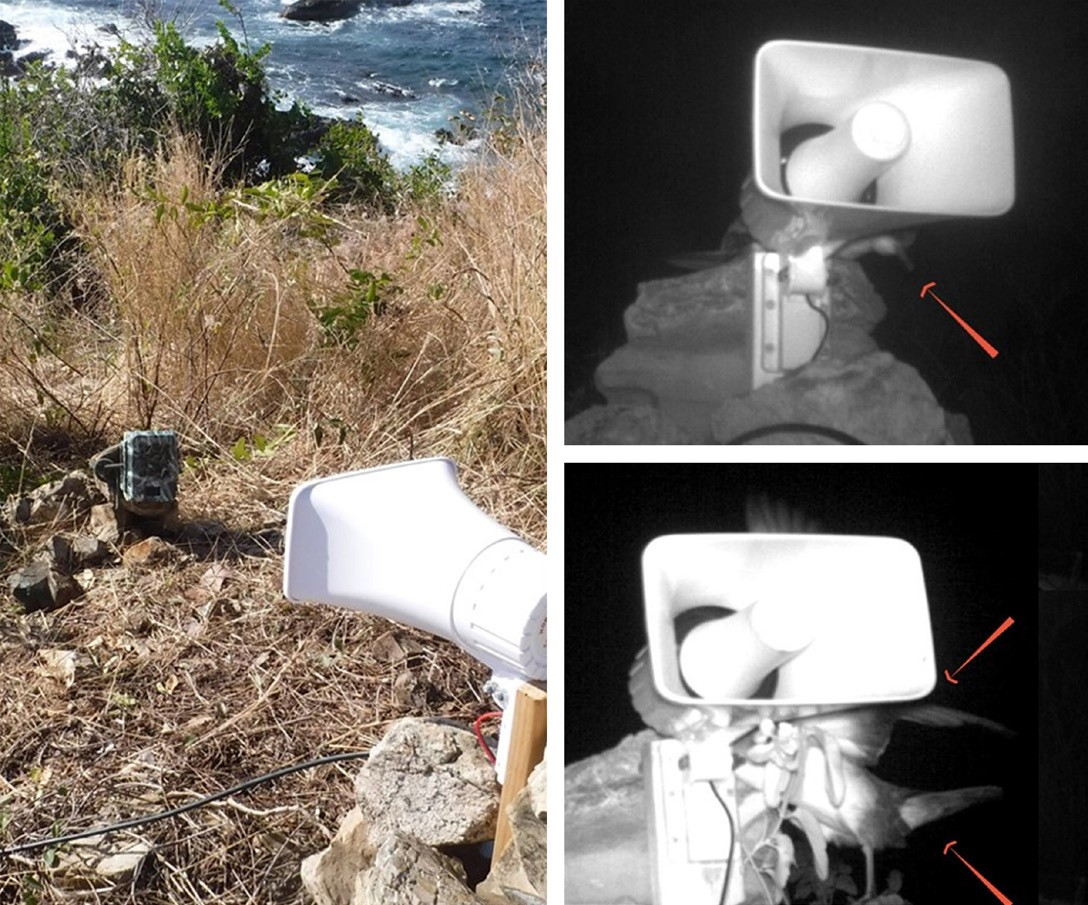
Thanks to the collaboration between the non-profit organization Island Conservation and USFWS, the invasive mammals were successfully eradicated from the island. Once declared free of these invasive species, USFWS, IC, and the non-profit organization Effective Environmental Restoration, Inc. (EER) joined forces for the implementation of biosecurity and social attraction projects. The latter consists of decoys, mirrors, and sound systems that are used to attract seabird species with the goal of re-establishing seabird breeding colonies on Desecheo NWR.
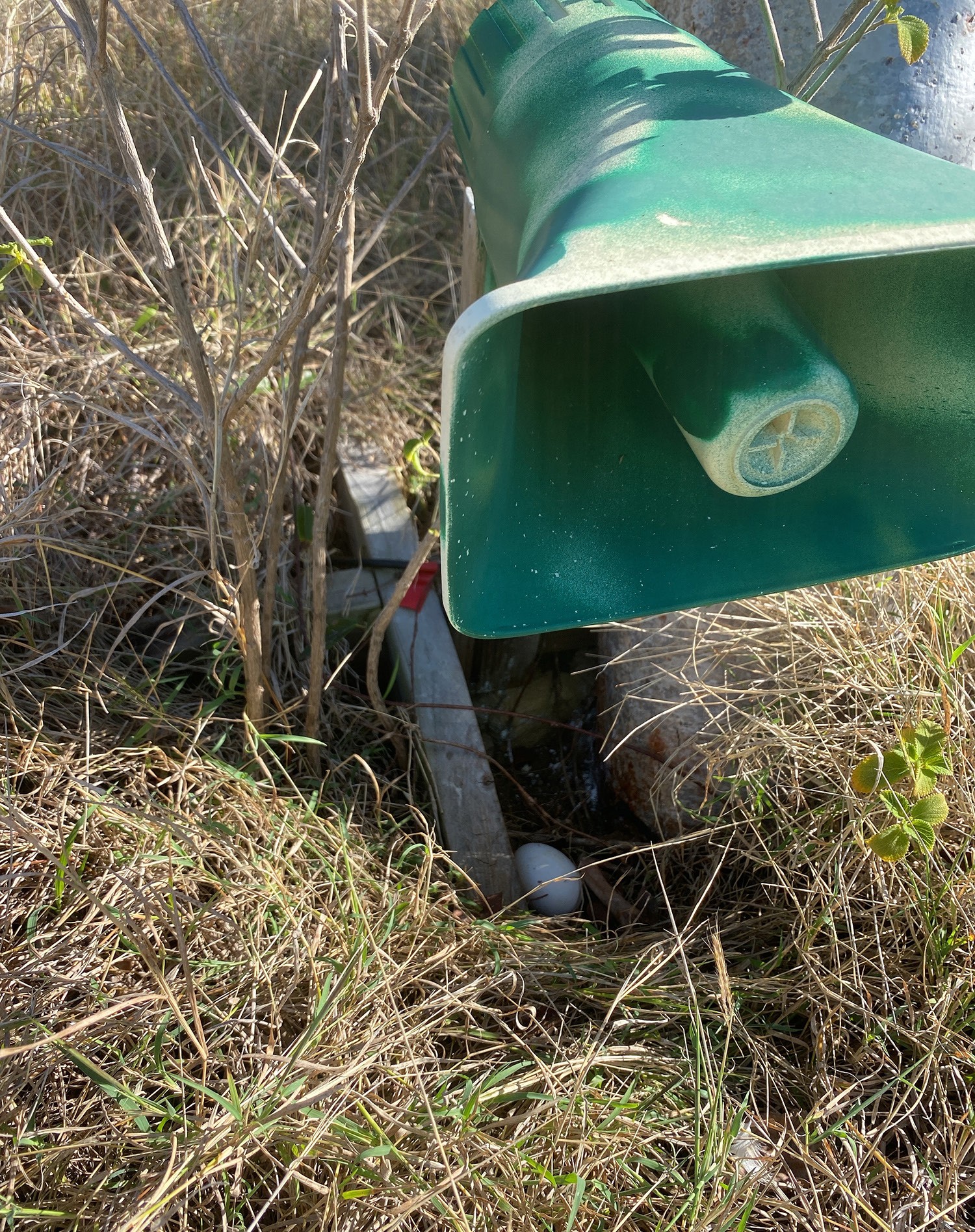
Caribbean Islands NWR Complex Project Leader Silmarie Padron reported: “During a visit to Desecheo NWR in 2023, a single egg was found at the base of a speaker used for social attraction. A few days later, the nesting site was revisited to deploy camera traps and collect feathers. The Smithsonian Feather Identification Laboratory confirmed the feathers to be from an Audubon’s Shearwater (Puffinus lherminieri). This is the first time that an Audubon’s Shearwater nest has been recorded on the island.”
The population of this bird species in the Caribbean is small. In fact, the Audobon’s Shearwater is the least known of all Caribbean seabird species. They are characterized by nest site fidelity and have been disappearing from some former breeding sites. Due to this, the species is classified as Near Threatened. This means that the nest found in Desecheo could indicate not only great news for Desecheo NWR eventually rebecoming a sanctuary for seabirds across the Caribbean but also for the Audobon’s Shearwater’s conservation and survival.
Jose Luis Herrera-Giraldo, Island Conservation Project Manager, stated: “All species are indispensable for ecological homeostasis. The planet depends on them for balance and stability. Nesting seabirds for example, bring nutrients that lead to the health of marine ecosystems and indirectly the rest of the planet. We humans on the other hand, can come together on the road to environmental conservation and protect all these species and their habitats, thereby protecting life on earth as we know it.”
The discovered nest proves the effectiveness and efficacy of social attraction methods and the innumerable benefits of having an island free of invasive mammals. It also gives us hope for the restoration of seabird populations in Desecheo NWR and other refuges across the Caribbean. But most importantly, it demonstrates what can be achieved through collaboration, dedication, and perseverance. Through this story we celebrate being one step closer to the restoration of Desecheo NWR as a habitat for seabirds and all of the people that have made this possible.
Click here to read the original article published in the Journal of Caribbean Ornithology and view relevant images here.
Media Contacts: Sally Esposito, Strategic Communications Director, Island Conservation, sally.esposito@islandconservation.org; Gisela Burgos, Cabo Rojo National Wildlife Refuge Visitor Services Specialist, gisella_burgos@fws.gov or 305-587-7856.
Check out other journal entries we think you might be interested in.
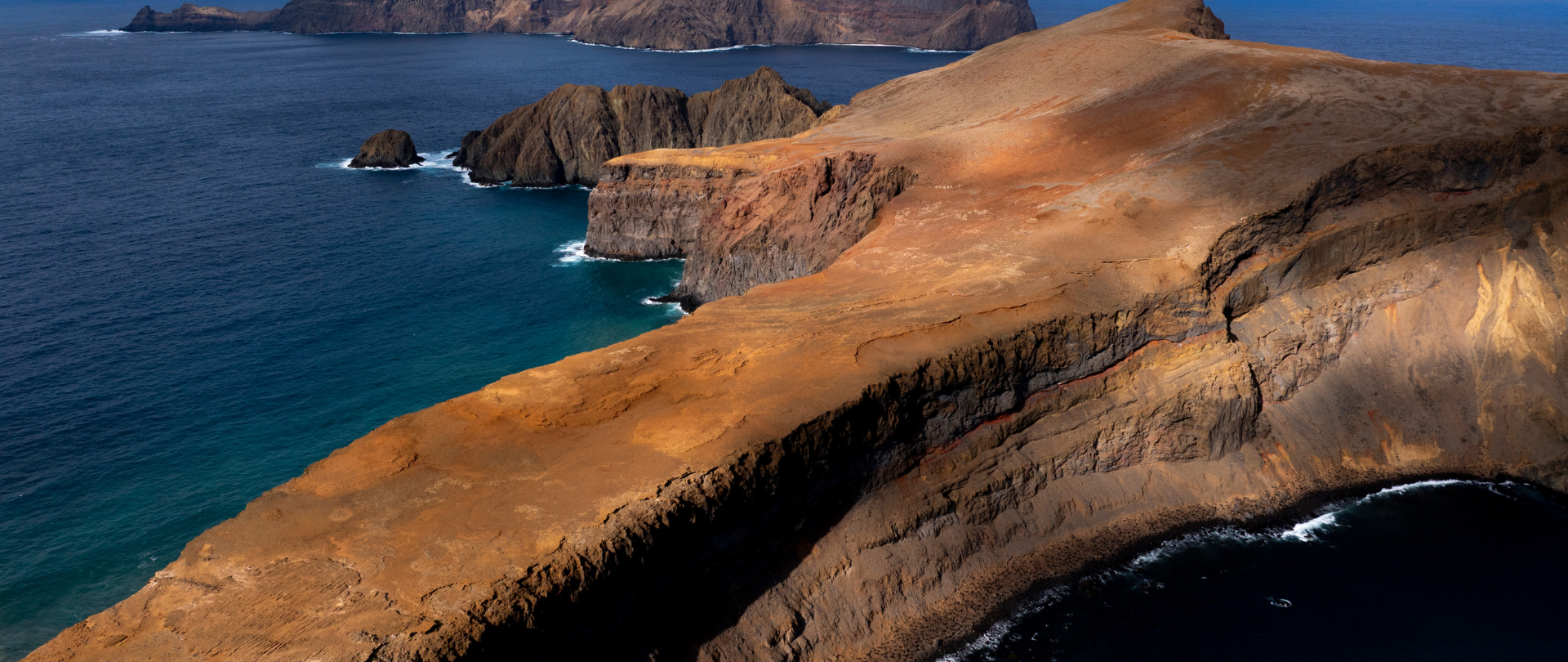
March 10, 2026
The Juan Fernández Archipelago is part of a new Marine Protected Area that protects the highest concentration of marine species found nowhere else on Earth!
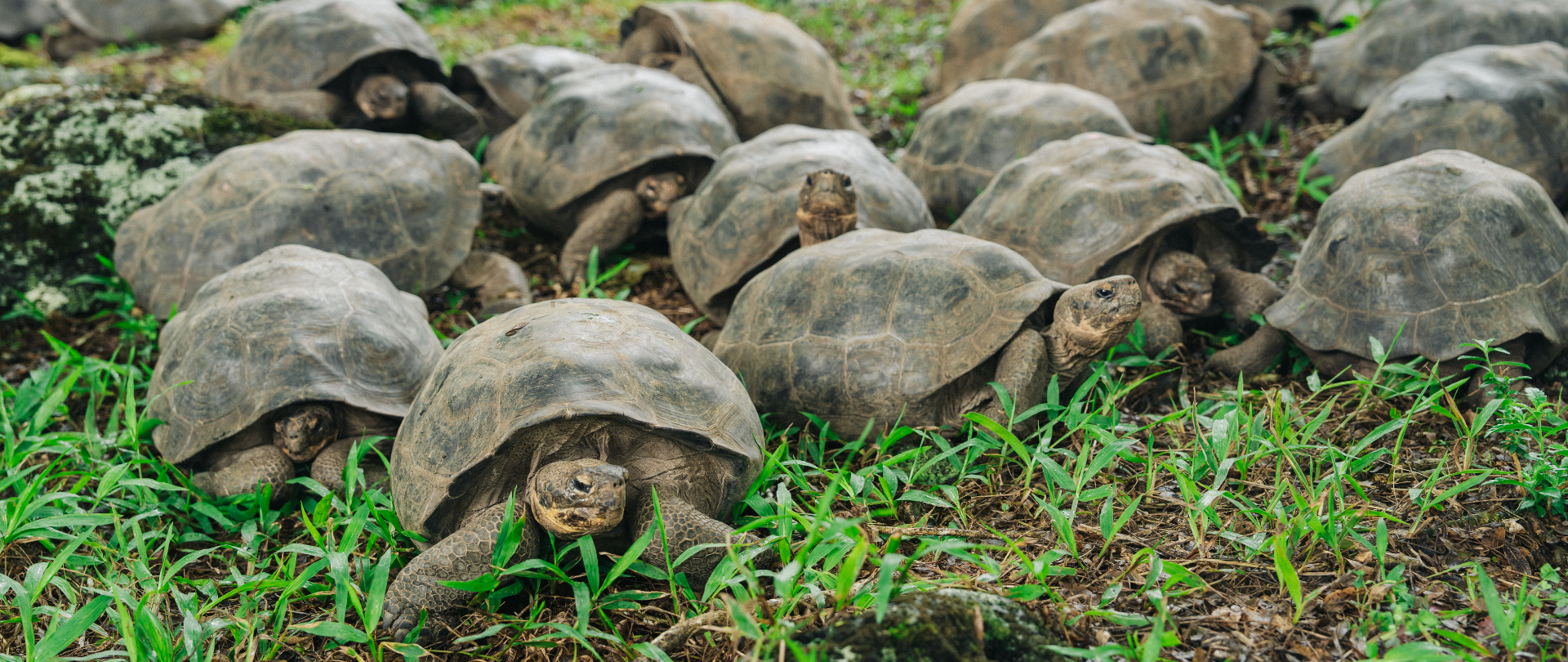
February 25, 2026
Roger McDonough from our partners at Galápagos Conservancy explains the process behind raising hybrid tortoises for Floreana!
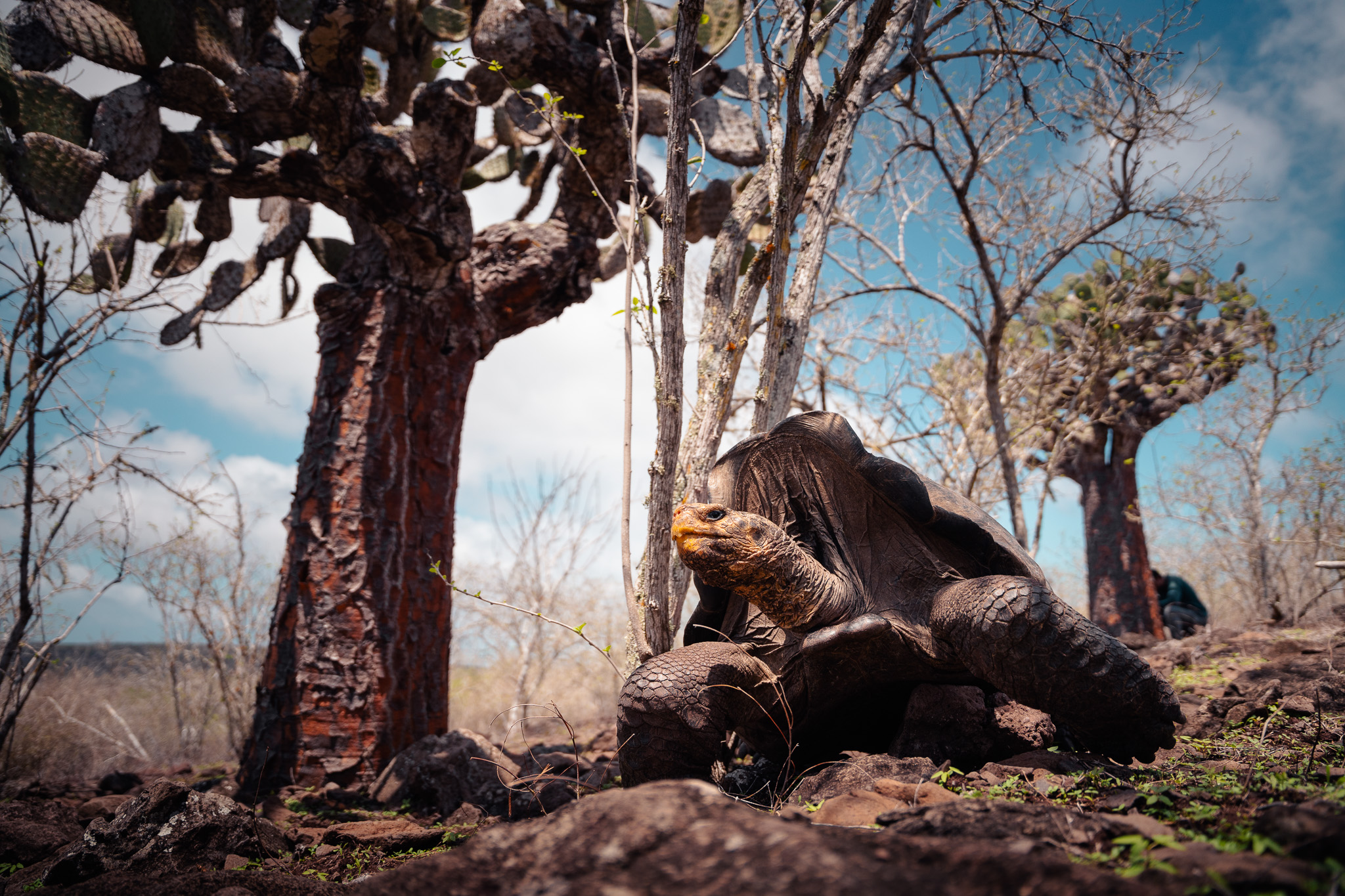
February 20, 2026
For the first time in more than 180 years, giant tortoises are once again walking the landscapes of Floreana Island!
February 6, 2026
¡Mira el video de Solange y lee una entrevista sobre Robinson Crusoe! Watch Solange's video and read an interview about Robinson Crusoe!
January 28, 2026
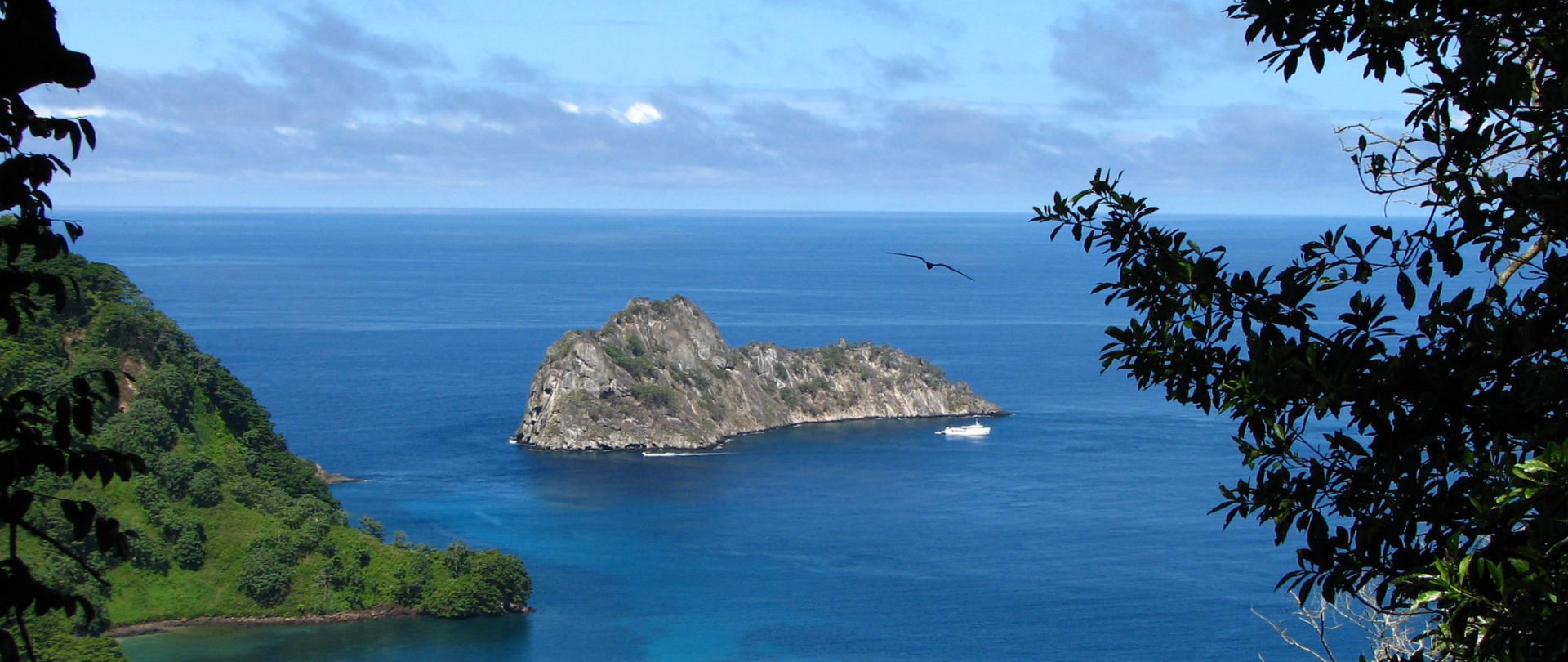
We worked with Blue Action Fund to expand marine protection in the Eastern Pacific--read about our success!

January 15, 2026
Not all Marine Protected Areas are equally effective. A new study shows how high-quality, well-implemented MPAs provide outsized impacts for biodiversity!
January 9, 2026
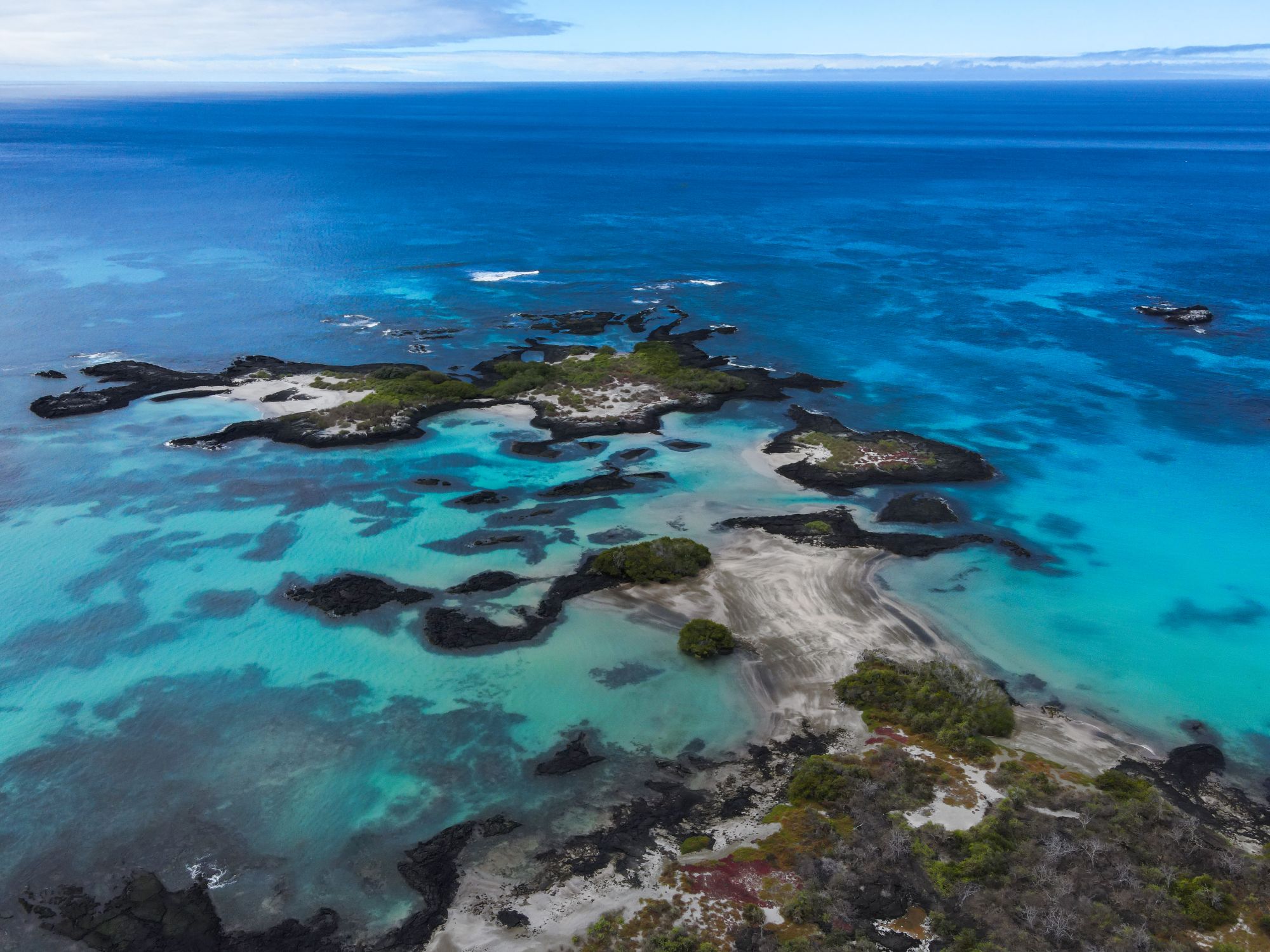
A new podcast episode explains the full benefits of holistic restoration on Floreana Island!
December 30, 2025
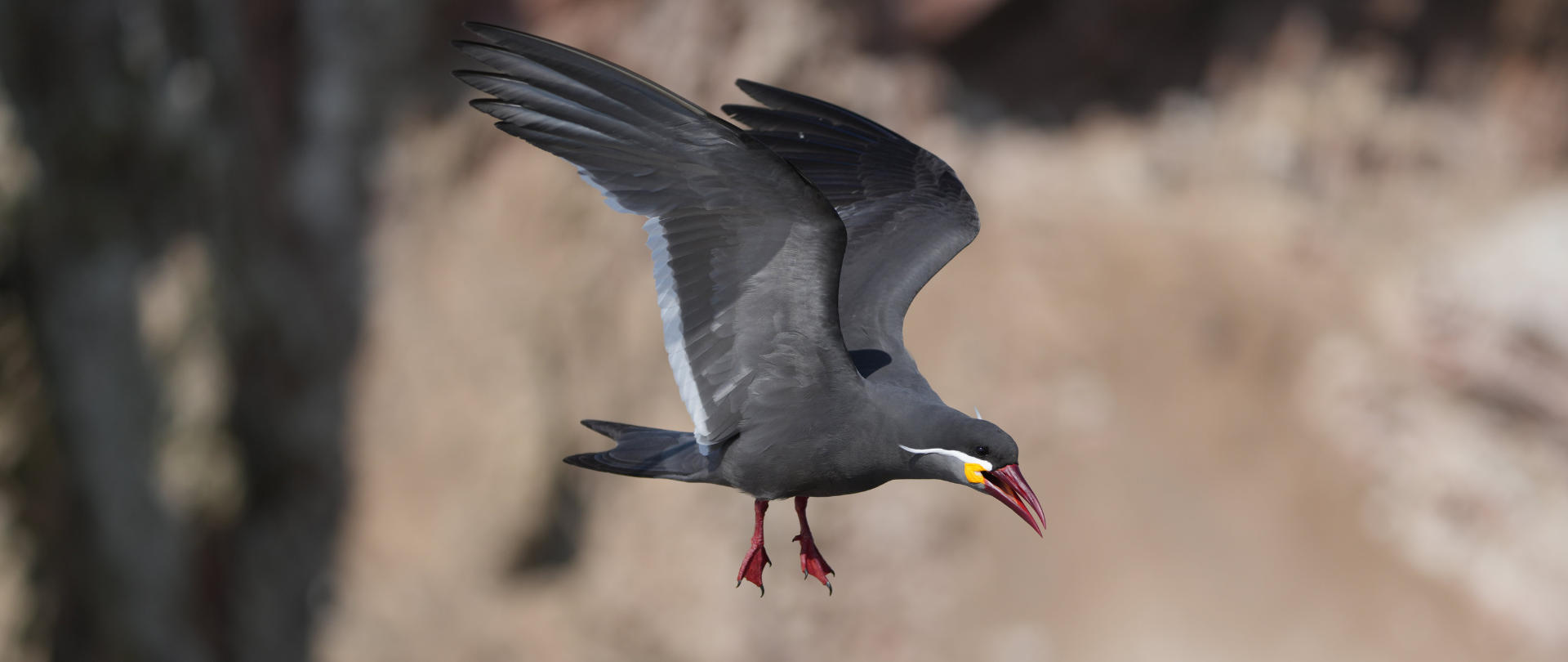
Our roundup of the best photos from our team out in the field this year! On to 2026!
December 16, 2025
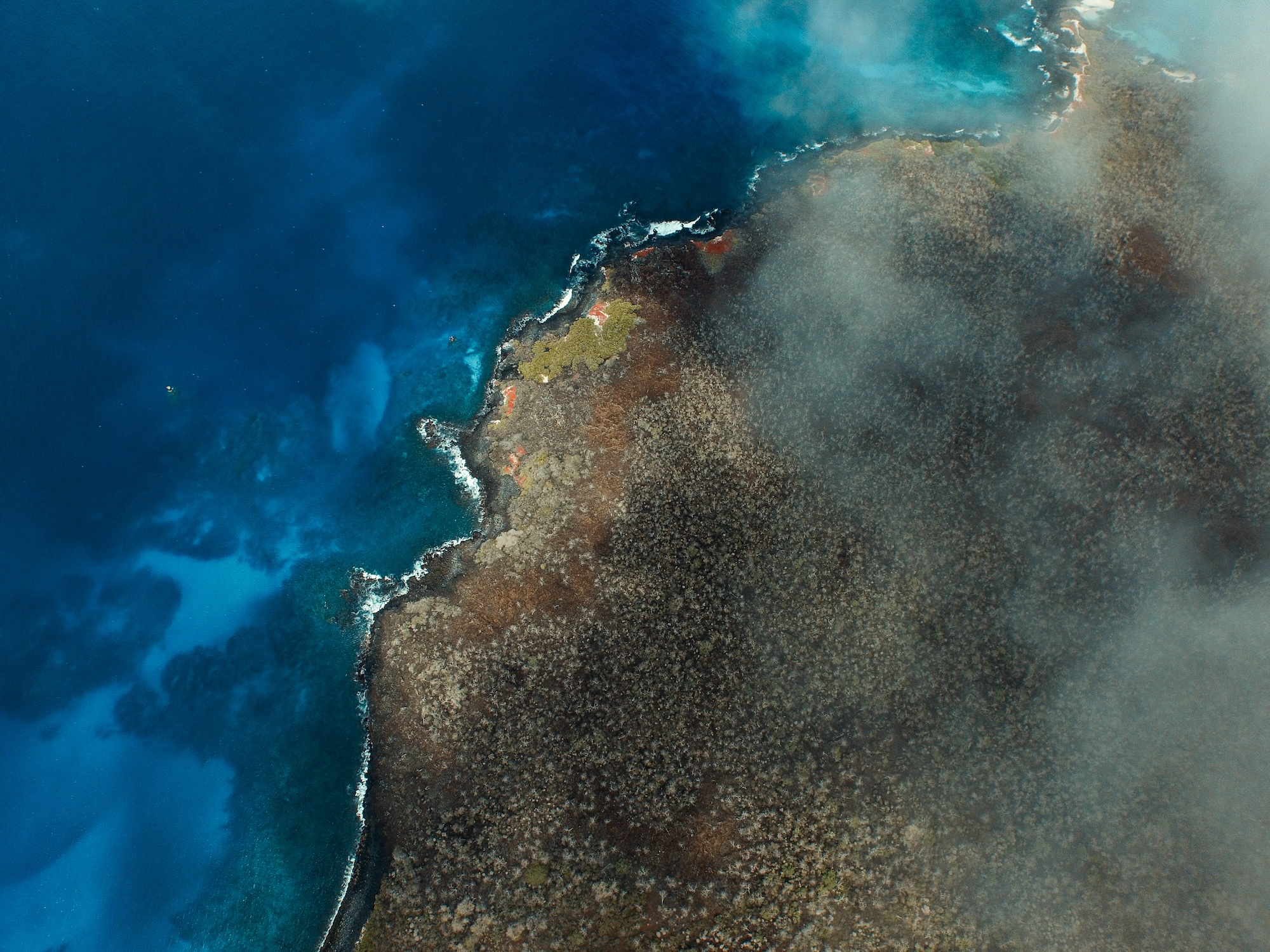
Read the full ecological story of Floreana Island in the Galápagos from the early settlements to today.
December 4, 2025
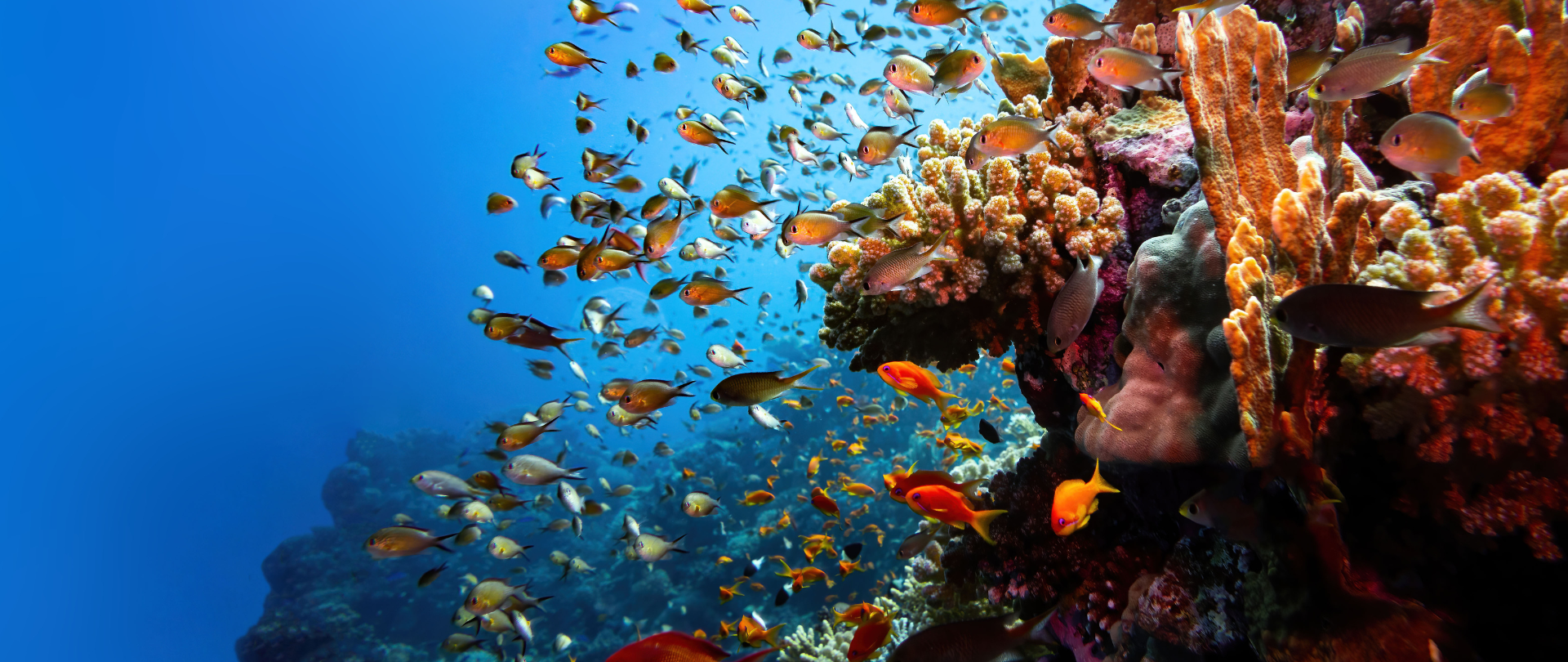
A new study reveals how seabirds, connector species between land and sea, play a huge role in the health of coral reefs!