July 2, 2026
How Better Biosecurity Could Save $12 Billion Across US Islands
Invasive species have caused over $12 billion in damages to island ecosystems, creating an urgent need for strengthened biosecurity measures!
 Island Conservation
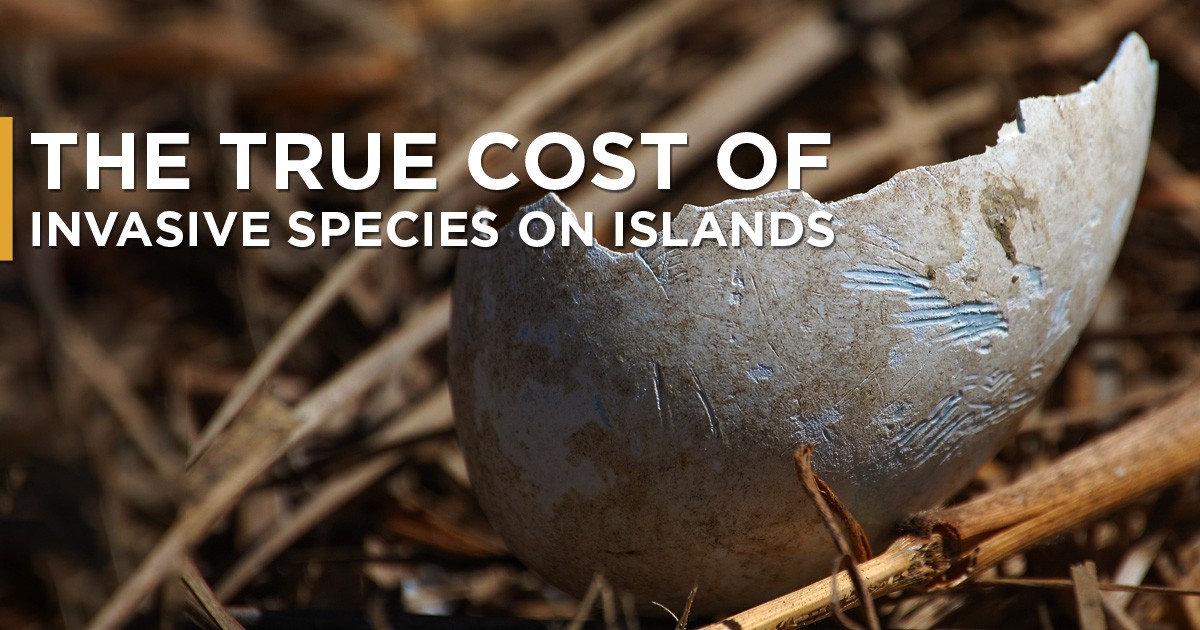
For better or worse, the modern world is driven by economics, and it is often the case that collective action can only be motivated by alarming financial realities. A new paper underscores the urgency with which we should protect and restore island-ocean ecosystems by highlighting the enormous cost that invasive species have – not just ecologically, but socioeconomically too. Biosecurity and effective project management emerge as key aspects to mitigating these costs.
Islands are focal points for destructive invasives, endangered species and vulnerable biodiversity. The paper, published in Conservation Biology, notes that “[over] US$36 billion in total costs (including damages and management) has occurred on islands from 1965 to 2020 due to invasive species.” This places enormous responsibility on governments and nonprofits to remove, monitor and prevent invasive species on islands, which can have “severe, multifaceted impacts in their novel environments”.
But there is hope! Island Conservation provides an incredible return on investment by protecting and restoring at-risk islands, their endangered species, and the communities that live there. “Removing invasive species is without doubt the most effective tool when it comes to protecting these islands,” says Vice President of Conservation Penny Becker. “Year after year, the data continues to confirm how effective these projects are.”

Once invasive species have been removed, islands have the chance to naturally flourish once again. This reduces the management costs incurred by the destructive species. “In addition, many people earn their livelihoods on islands,” says Penny. “Their health, their communities, their economies – they’re all connected. That’s why we’re so invested in the Island-Ocean Connection Challenge, which is structured around holistic restorations.”
Read the full paper here.
You can become a member or supporter of the Island-Ocean Connection Challenge here.
Check out other journal entries we think you might be interested in.
July 2, 2026
Invasive species have caused over $12 billion in damages to island ecosystems, creating an urgent need for strengthened biosecurity measures!
June 8, 2026
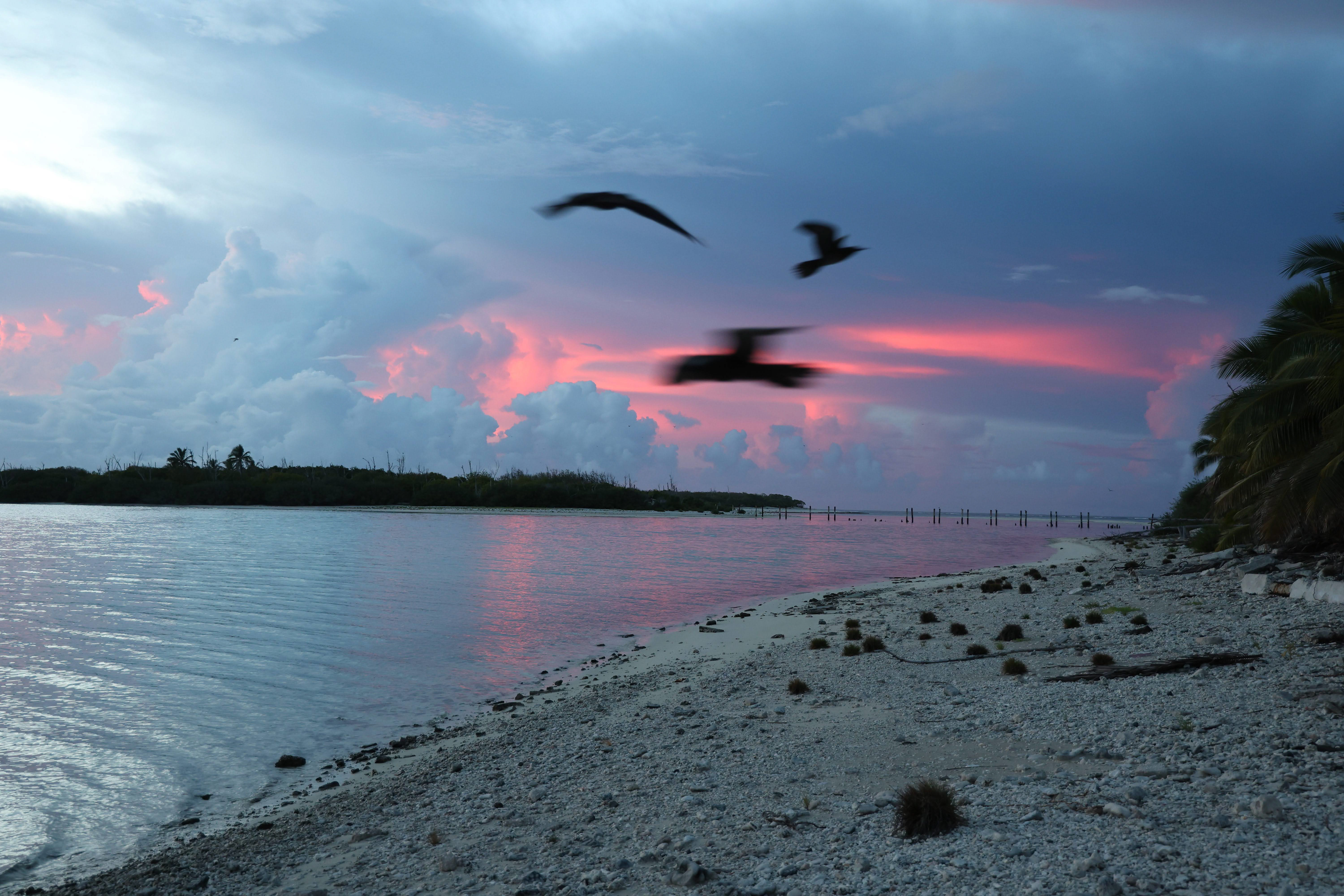
A world-first controlled experiment shows connection between seabird activity and marine health on Ulong Island!
April 14, 2026
A historic moment: Wake Atoll is restored and thriving!

October 29, 2025
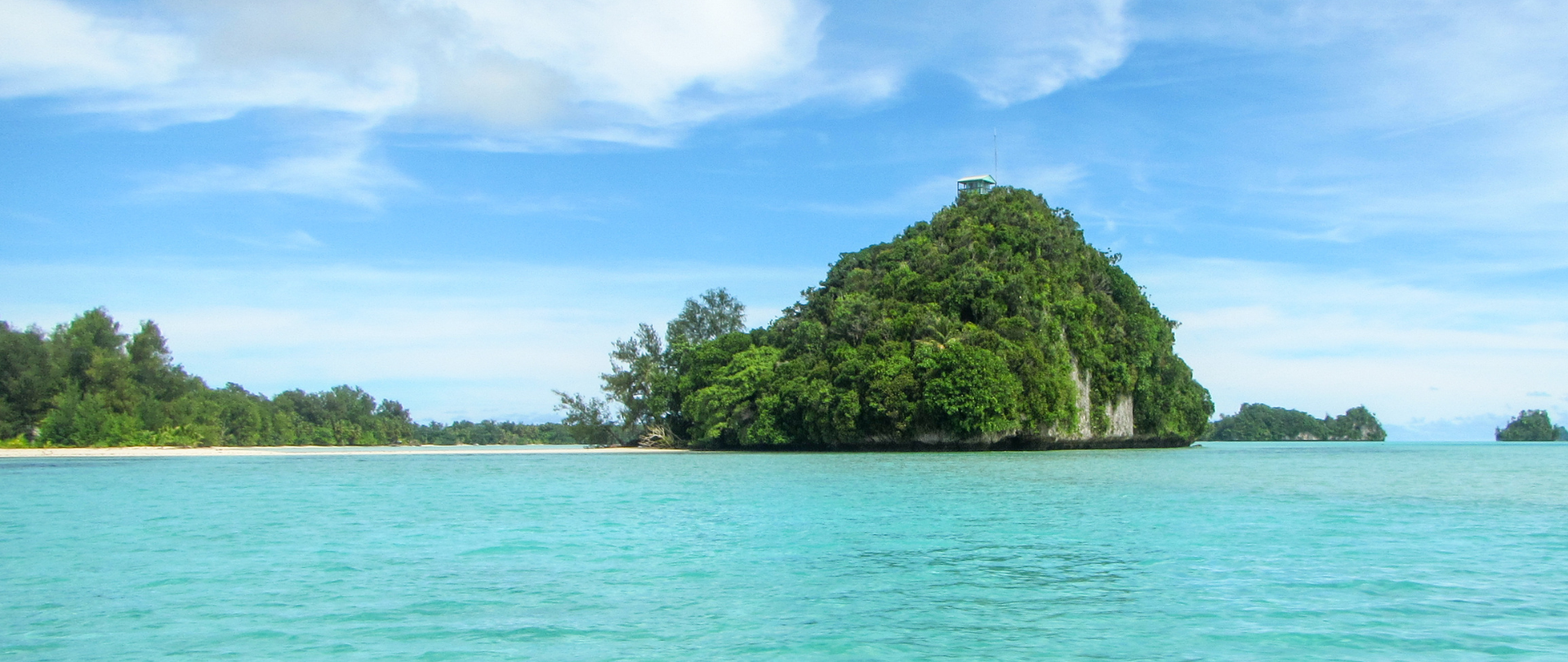
Astounding evidence of recovery on Ulong Island in Palau after just one year!
October 26, 2025
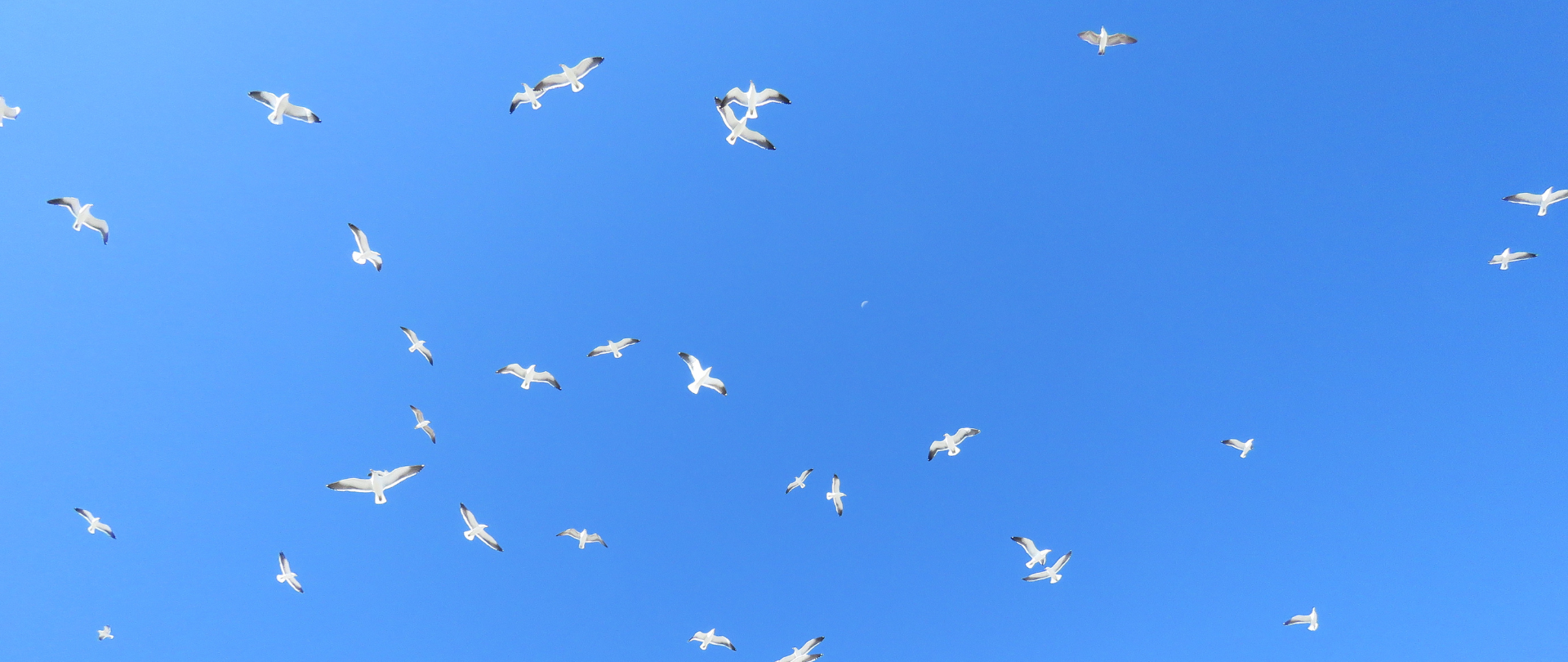
A new study shows the power of seabirds to drive entire ecosystems by circulating nutrients between land and sea!

August 28, 2025
A new paper reveals the benefits of holistic restoration on Australia's Lord Howe Island!
August 14, 2025
A new scientific paper reveals how seabird-derived nutrients can rebalance the relationship between turf algae and herbivorous fish, ultimately helping coral reefs thrive!
July 22, 2025
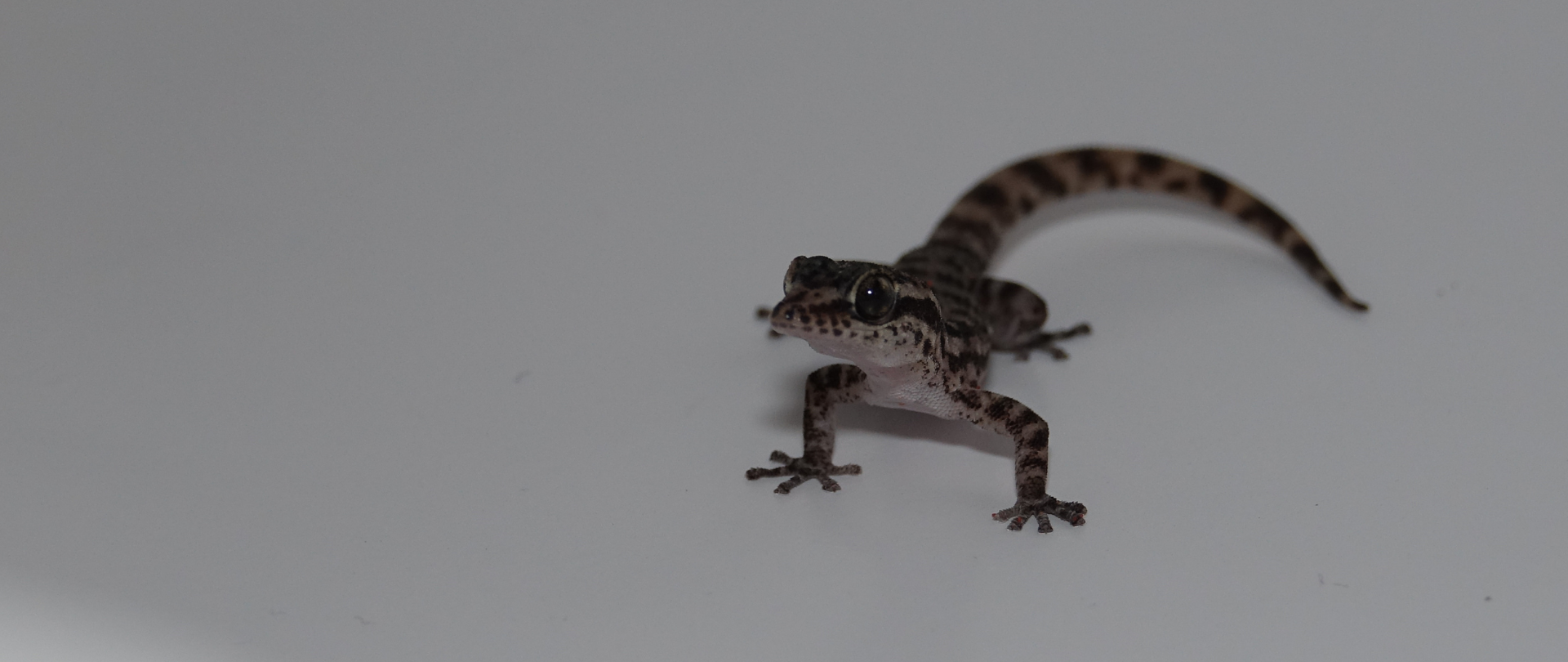
A species once thought extinct just made its comeback. A study published in PLOS ONE confirms the Leaf-toed Gecko has been rediscovered on Rábida Island in the Galápagos.
May 19, 2025
Read our position paper on The 3rd United Nations Ocean Conference (UNOC 3) to see why we're attending and what we aim to accomplish!
January 15, 2025
We're joining the Global Rewilding Alliance, a network of environmental organizations around the world!