October 29, 2025
Data Shows Endangered Palau Ground Doves Swiftly Recovering After Successful Palauan Island Conservation Effort
Astounding evidence of recovery on Ulong Island in Palau after just one year!
Published on
November 7, 2018
Written by
chad
Photo credit
chad
By: Chad Hanson
On Floreana Island, Galápagos, conservation and the idea of building a more sustainable future has become an integral part of the daily community discussion. As residents of the sixth largest island in an archipelago, known for its rich biodiversity, the Floreana community watched in disappointment over the years as damaging, non-native (invasive) rodents contributed to the local extinctions of endemic species (found now where else in the world) and impacted the local economy.
Now, in an effort to help build a sustainable Floreana, Island Conservation, the Galapagos Conservation Trust, and other partners are working with the community to remove the invasive species that have so drastically impacted the island. One of the most important aspects of the Floreana project has been the focus on transparent communication with the community to not only save native species but to reinvigorate the local economy through a boost in tourism and more sustainable agricultural practices.

Floreana Island was once home to some of the world’s most incredible species including the Floreana Mockingbird and the Floreana Giant Tortoise. Now, these species are locally extinct. In the case of the Mockingbird, they only exist on two off-shore islets – Champion and Garner. The endemic Giant Tortoise was considered extinct but genetic testing of tortoises on Isabela Island found that whalers in fact transported some Floreana species to the island. After restoration, these native species will have a chance to once again thrive on their home island.
As part of building a more sustainable Floreana, one of the key concerns for both conservationists and the community has been the impact could have on domestic livestock. In the past, free-range livestock has been a concern since more than 98% of the island is managed by the Galapagos National Park and is therefore protected. To address this and to keep wild and domestic species safe, a few changes needed to be made to the infrastructure of the island.
On Floreana Island, livestock are vital to the local economy and the community. In order to protect the livestock during implementation of the project, Island Conservation and the Galapagos Conservation Trust are working closely with the community to prevent the cows, horses and mules, chickens, and pigs from any unintended exposure to conservation bait. One of the key concerns is removing any exposure pathway. The solution—shipping containers.

Shipping containers will allow the community to safely store grains and resources for their livestock while preventing access to rodents looking for a home or meal. This provides a two-fold benefit as it removes an alternative food source to rodents while protecting livestock feed from possible contamination. Shipping containers are not the only solution-oriented infrastructure necessary for the project. To adequately protect chickens, Island Conservation, the Galapagos Conservation Trust, and partners are also working with the community to design and build chicken coops which are being distributed to all community members who need them. These coops will not only protect chickens during implementation but will lead to higher production rates long-term, therefore benefiting the community members and local economy.

The Floreana community and our partners are excited and hopeful for the future of the island and helping to build a more sustainable Floreana.
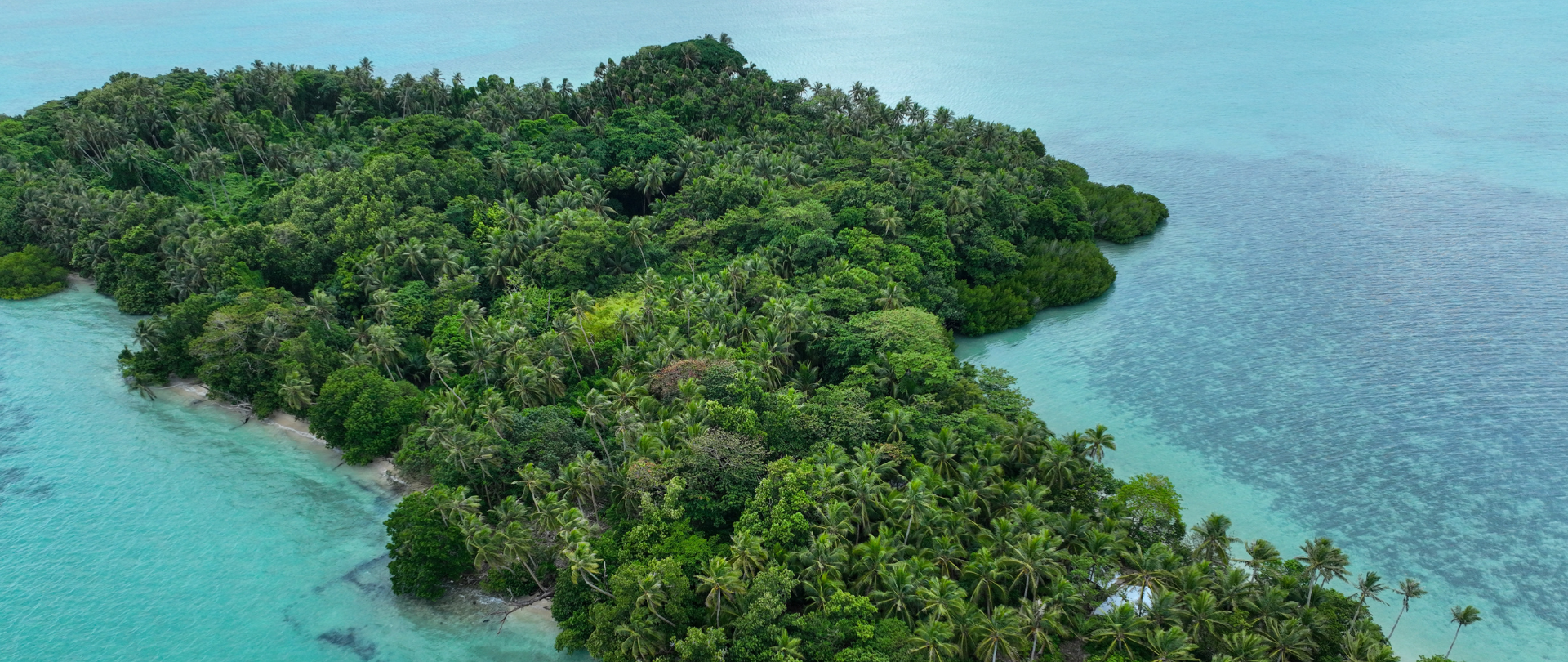
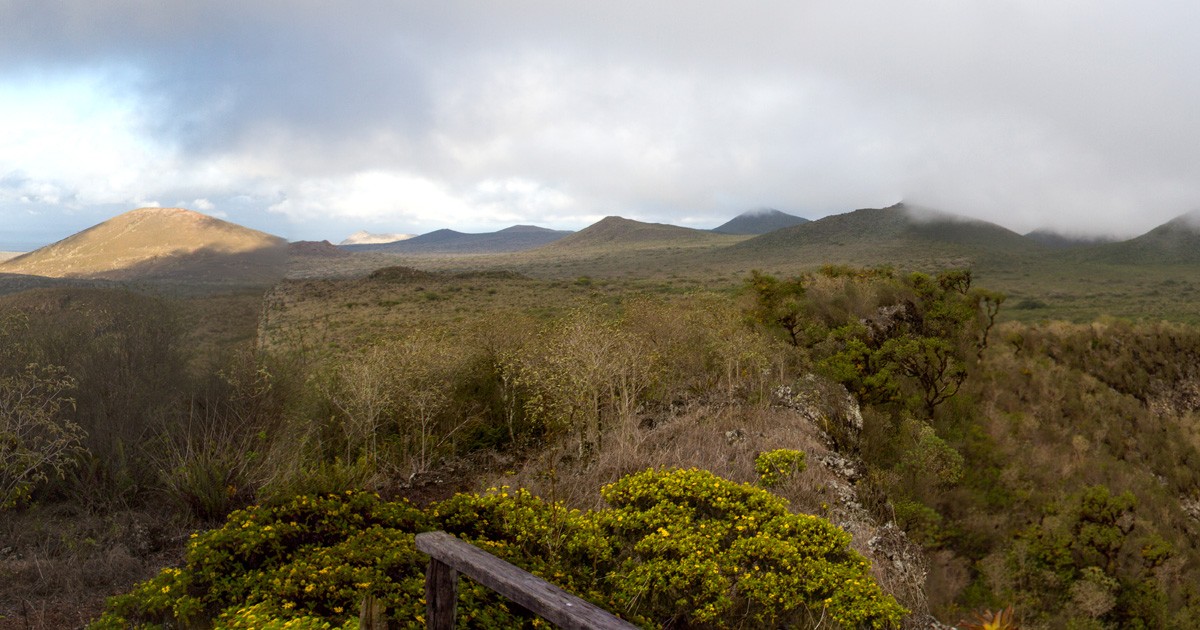
Featured photo: Landscape view of Floreana Island. Credit: Island Conservation
Check out other journal entries we think you might be interested in.
October 29, 2025
Astounding evidence of recovery on Ulong Island in Palau after just one year!
July 31, 2025
Our Seasonal Monitoring Specialist, Cozette Romero, shares her experience on Tofua in Tonga!
May 19, 2025
Read our position paper on The 3rd United Nations Ocean Conference (UNOC 3) to see why we're attending and what we aim to accomplish!
December 4, 2024
Ann Singeo, founder of our partner organization the Ebiil Society, shares her vision for a thriving Palau and a flourishing world of indigenous science!
November 22, 2024
This historic agreement aims to protect the marine and coastal areas of the Southeast Pacific.
November 18, 2024
Our projects to restore key islets in Nukufetau Atoll forecast climate resilience and community benefits in Tuvalu!
October 3, 2024
Island Conservation and partners have published a new paper quantifying ecosystem resilience on restored islands!
September 10, 2024
Climate Week NYC: what is it and why is it important? Read on to find out why Island Conservation is attending this amazing event!
September 5, 2024
With sea levels on the rise, how are the coastlines of islands transforming? Read on to find out how dynamic islands really are!
August 27, 2024
Three Island-Ocean Connection Challenge projects in the Republic of the Marshall Islands bring hope for low-lying coral atolls!