July 2, 2026
How Better Biosecurity Could Save $12 Billion Across US Islands
Invasive species have caused over $12 billion in damages to island ecosystems, creating an urgent need for strengthened biosecurity measures!
 Island Conservation
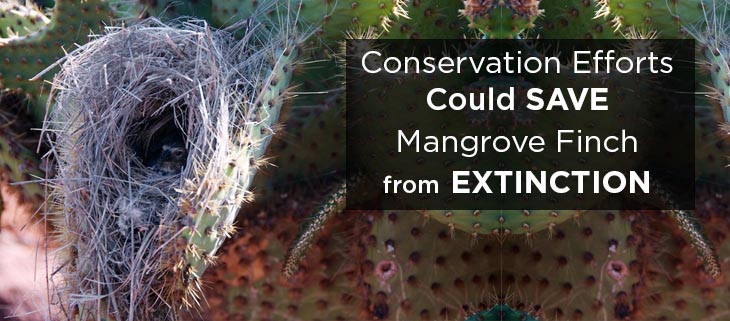
A new study shows that the native Galápagos Critically Endangered Mangrove Finch–which is imperiled by invasive predators and struggling to survive–is now threatened by inbreeding with a local woodpecker species.
The scientific journal Conservation Genetics has published a new study: “Slow motion extinction: inbreeding, introgression, and loss in the critically endangered mangrove finch,” explores the threats that are driving the Mangrove Finch (Camarhynchus heliobates), a Galápagos endemic bird, to extinction.
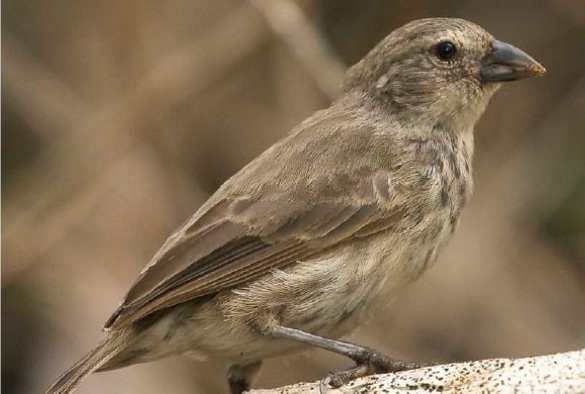
Lead author Lucinda P. Lawson and others noted that this and many other Galápagos native species face pervasive threats:
The protection granted to the Galápagos Islands as a National Park and concentrated conservation efforts…have helped reduce or eliminate many of the historical factors affecting species in Galápagos…However…risk factors including diseases and invasive species are on the rise as they are across all oceanic islands.
Invasive species have cut deeply into the Mangrove Finch population, making it vulnerable to other threats as well.

Under normal ecological circumstances this bird would thrive in its native home–but when people came to the Galápagos Islands, they brought with them rats and feral cats. These invasive predators have caused the Mangrove Finch, along with many other native species on the islands, to steadily decline. This distinctive bird is also under attack from a deadly parasite.
This species has recently been pushed to the edge of extinction due to egg predation by black rats and nestling mortality due to a blood sucking parasitic fly.
Invasive species alone can cause native island populations or endemic species to go extinct. By causing populations to decline, invasive species also make native animals more vulnerable to other threats. In the case of Mangrove Finches, decreasing numbers means decreasing genetic diversity. When a species has low genetic diversity, it becomes less able to cope with and rebound from ecological disturbances.
From here the problem deepens. With less availability of mates, the Mangrove Finch has been recorded breeding with a local woodpecker species, generating hybrid offspring. Sometimes hybridization can benefit a species, but not always, and probably not in this case.
Hybridization can erode the integrity of species…and ultimately lead to extinction…It is clear that much has been lost in terms of population size and genetic richness for this endangered species.
What is the outlook for Mangrove Finches?
The researchers predict that intensive conservation efforts could potentially rescue the Mangrove Finch from its numerous threats and prevent its impending extinction.
Island Conservation is actively at work on islands in the Galápagos removing the invasive species that threaten the Mangrove Finch and other native wildlife. Having already witnessed incredible species population turnarounds thanks to restoration efforts, we too believe that this species in the Galápagos can be saved from extinction, as long as we persevere, work together, and maintain hope.
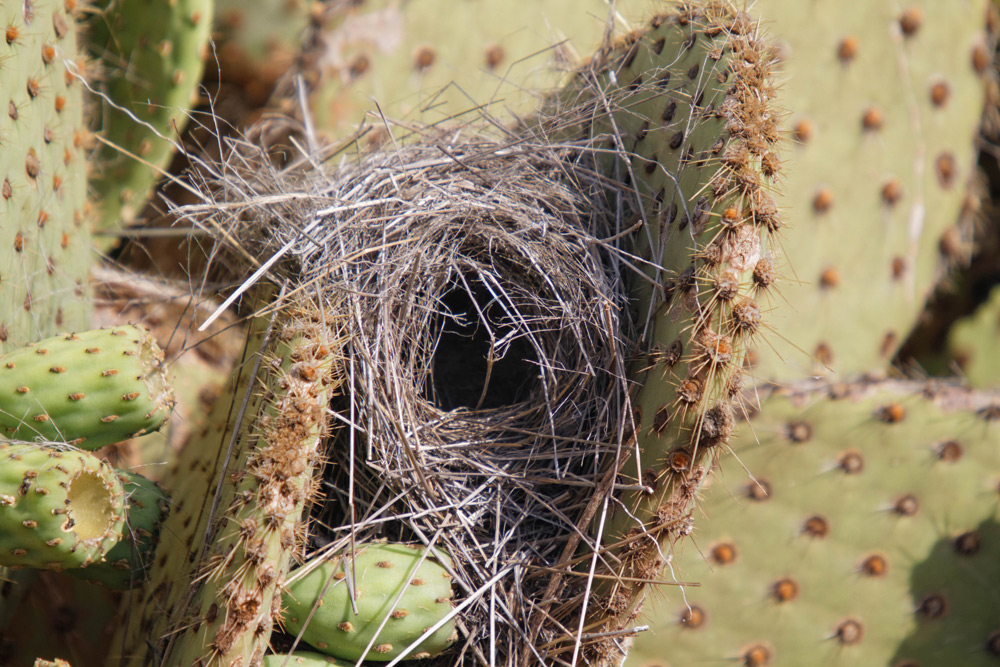
Featured photo: Finch nest in the Galápagos. Credit: empty007
Check out other journal entries we think you might be interested in.
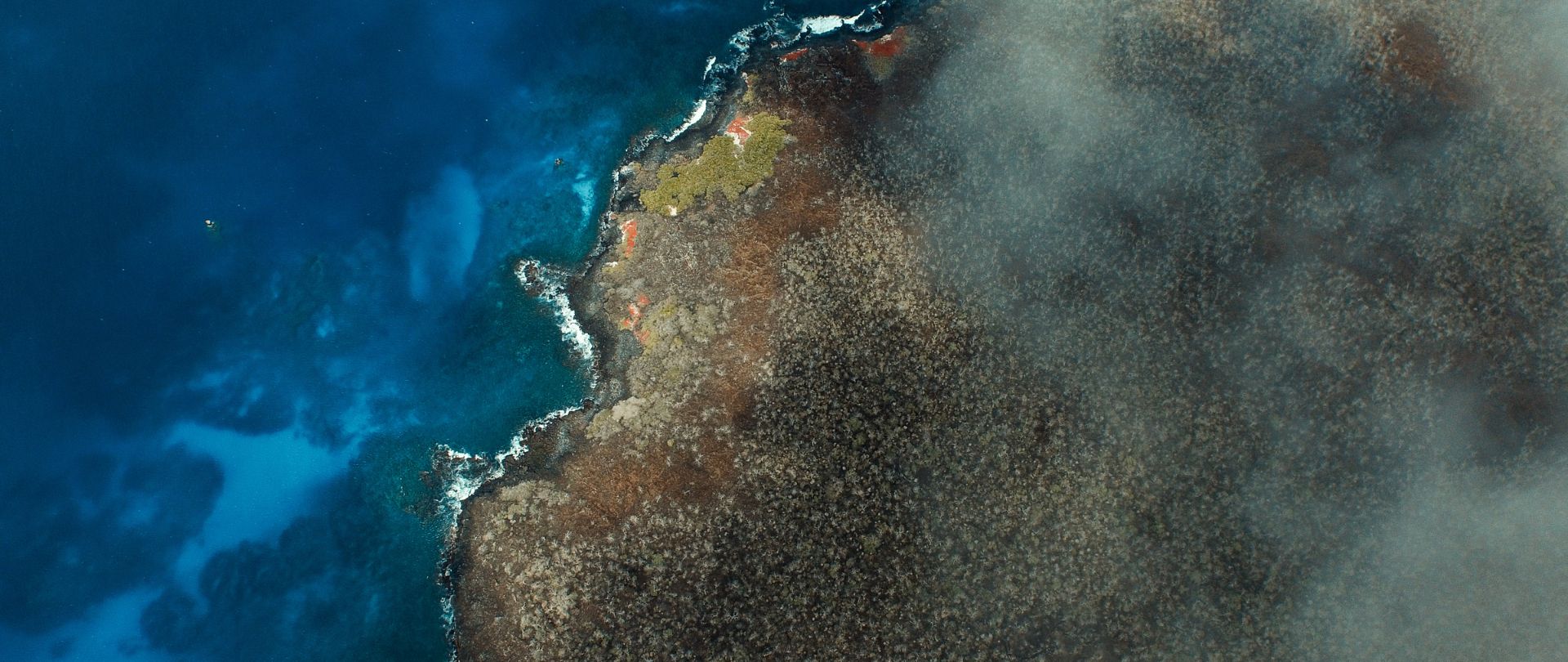
July 2, 2026
Invasive species have caused over $12 billion in damages to island ecosystems, creating an urgent need for strengthened biosecurity measures!
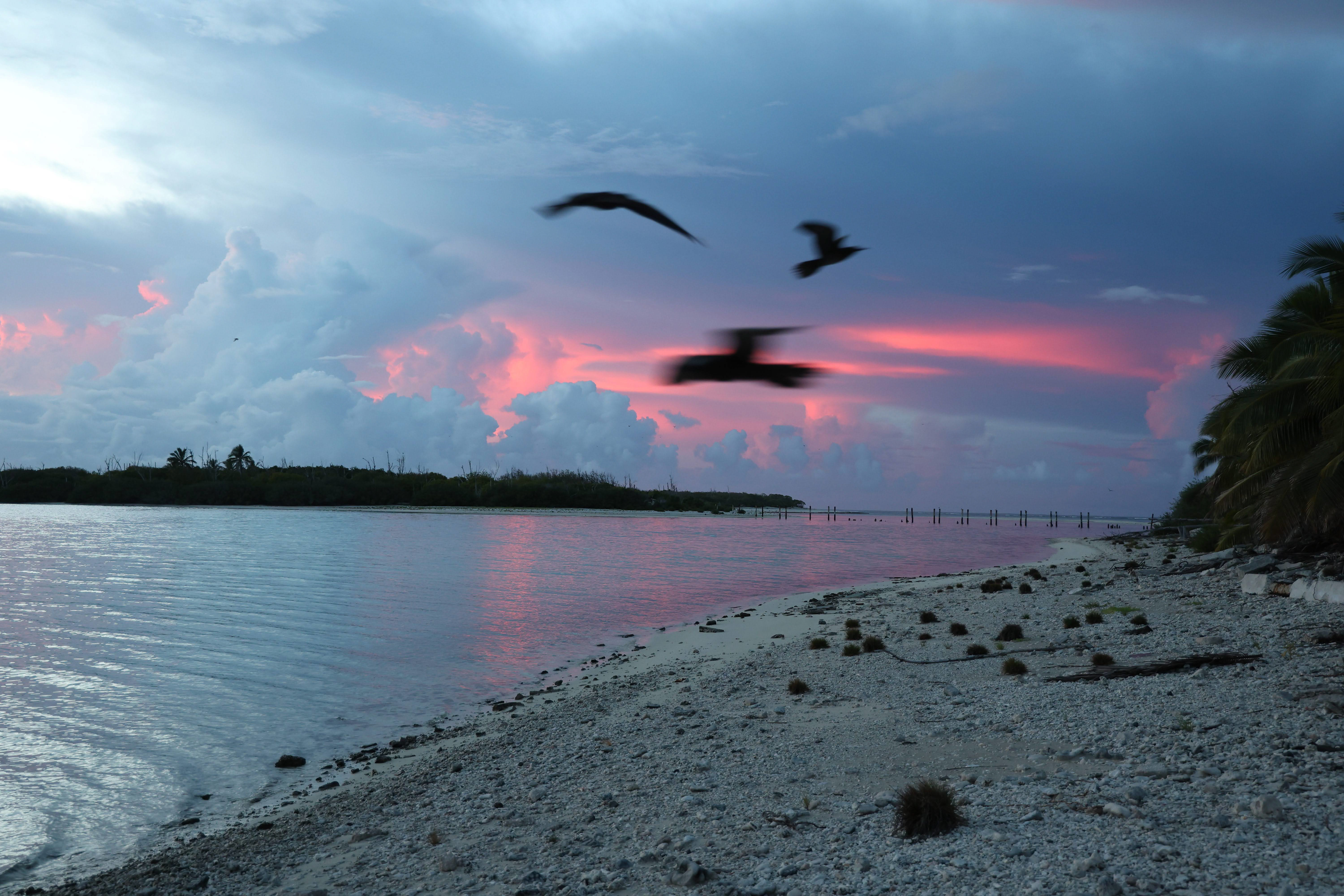
April 14, 2026
A historic moment: Wake Atoll is restored and thriving!

October 29, 2025
Astounding evidence of recovery on Ulong Island in Palau after just one year!

August 28, 2025
A new paper reveals the benefits of holistic restoration on Australia's Lord Howe Island!
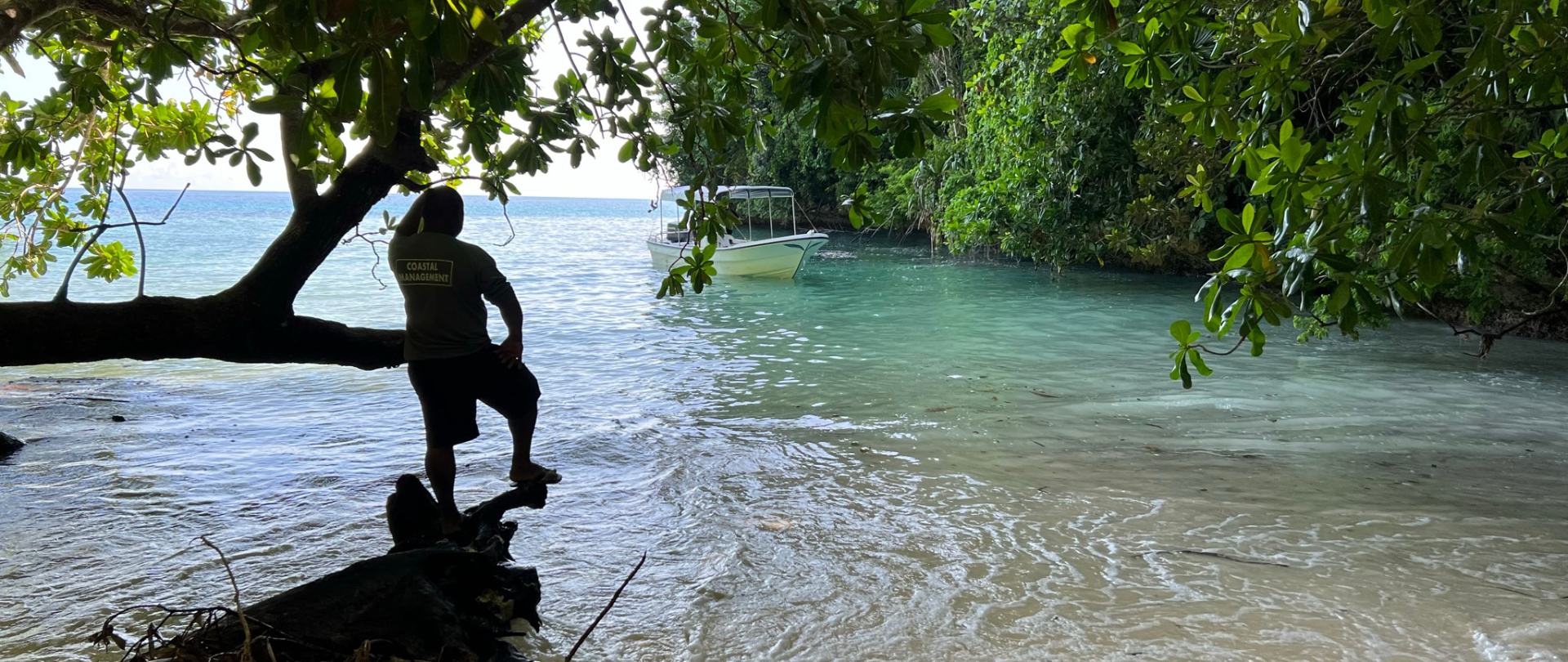
May 19, 2025
Read our position paper on The 3rd United Nations Ocean Conference (UNOC 3) to see why we're attending and what we aim to accomplish!
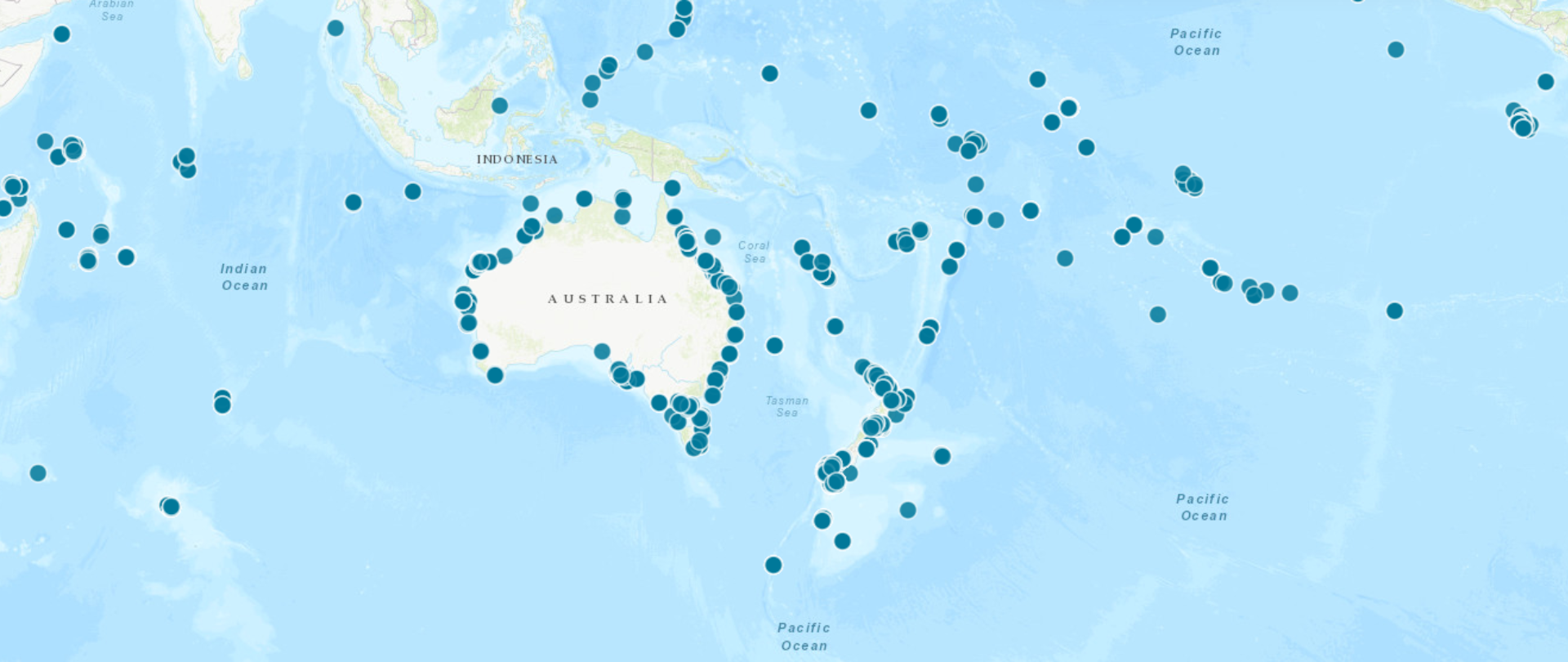
March 20, 2025
The DIISE is full of important, publicly-accessible data about projects to remove invasive species from islands all around the world!
December 10, 2024
We're using a cutting-edge new tool to sense and detect animals in remote locations. Find out how!
December 9, 2024
Groundbreaking research has the potential to transform the way we monitor invasive species on islands!
December 4, 2024
Ann Singeo, founder of our partner organization the Ebiil Society, shares her vision for a thriving Palau and a flourishing world of indigenous science!
November 22, 2024
This historic agreement aims to protect the marine and coastal areas of the Southeast Pacific.