December 22, 2025
Remote Sensing on Islands: Seeing Ecosystems Through Data
Elke Windschitl, our Conservation Impact Data Specialist, gives us the lowdown on
 Island Conservation

Our world is on the verge of a sixth mass extinction. Plants and animals are being driven to extinction at an unprecedented rate and it’s because of our actions—agricultural practices, pollution, climate changes, and the introduction of invasive species. Although the reality of these threats seem grim, by focusing conservation efforts where they will have the biggest impact and investing in innovative technology we can make a difference and preserve biodiversity.
A report released this month by the United Nations Intergovernmental Science-Policy Platform on Biodiversity and Ecosystem Services (IPBES) announced that in the coming decades one million species will be at risk of extinction due to human activities. This dire warning highlights the need for immediate action to try and save species from the brink of extinction.
The time to act is now.

Islands harbor some of the greatest biodiversity of any ecosystems around the world, but also lead in the rate of extinction with 75% of recorded bird, amphibian, mammal, and reptile extinctions having occurred on islands. Invasive species on islands are a primary driver of global extinctions. We know that by removing invasive species from islands, we can save species and prevent extinctions.
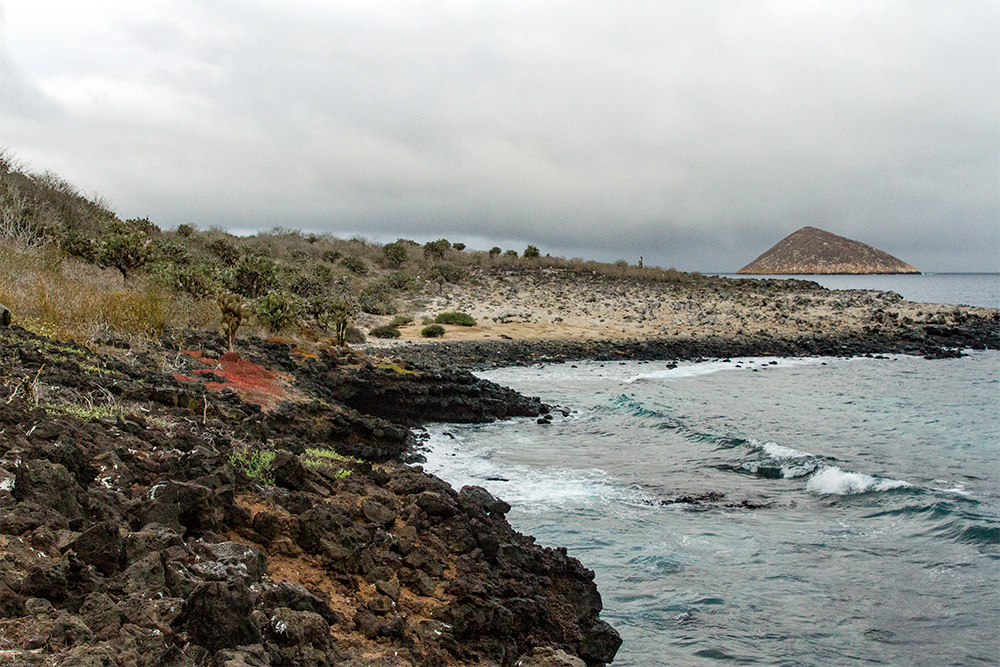
A recent paper led by Island Conservation identified 169 islands where it is socially, politically, and technically feasible to remove invasive species by 2030 and would prevent the extinction of nearly 10% of threatened island species. These islands need to be made a priority for conservationists. However, we are pushing up against the limitations of our current tools to remove invasive species and can only reach 15% of islands affected by invasive rodents. Now, we need to explore new and innovative techniques to increase the scope, scale, and pace of restoration.
As part of the Outreach Network for Gene Drive Research, Island Conservation supports the cautious exploration of new techniques such as gene drive to tackle the threat of invasive species using genetic techniques. Gene drive could allow conservationists to carry out complex eradications on islands in desperate need of restoration.
At the 2018 United Nations Convention on Biological Diversity meeting, it was decided that research on the use of gene drives could and should move forward. Gene drives, which occur naturally, can be modified and used to prevent extinctions and stop the spread of pathogens. The landmark decision found that with safe, ethical research gene drives can help make the world a better place both for humans and the diversity of life on earth.
Featured photo: Galapagos Land Iguana. Credit: Bill Weir
Check out other journal entries we think you might be interested in.
December 22, 2025
Elke Windschitl, our Conservation Impact Data Specialist, gives us the lowdown on

October 29, 2025
Astounding evidence of recovery on Ulong Island in Palau after just one year!
June 13, 2025
Our partner Conservation X Labs has joined the IOCC, committing to deploying transformative technology to protect island ecosystems!
May 19, 2025
Read our position paper on The 3rd United Nations Ocean Conference (UNOC 3) to see why we're attending and what we aim to accomplish!
December 4, 2024
Ann Singeo, founder of our partner organization the Ebiil Society, shares her vision for a thriving Palau and a flourishing world of indigenous science!
November 22, 2024
This historic agreement aims to protect the marine and coastal areas of the Southeast Pacific.
November 18, 2024
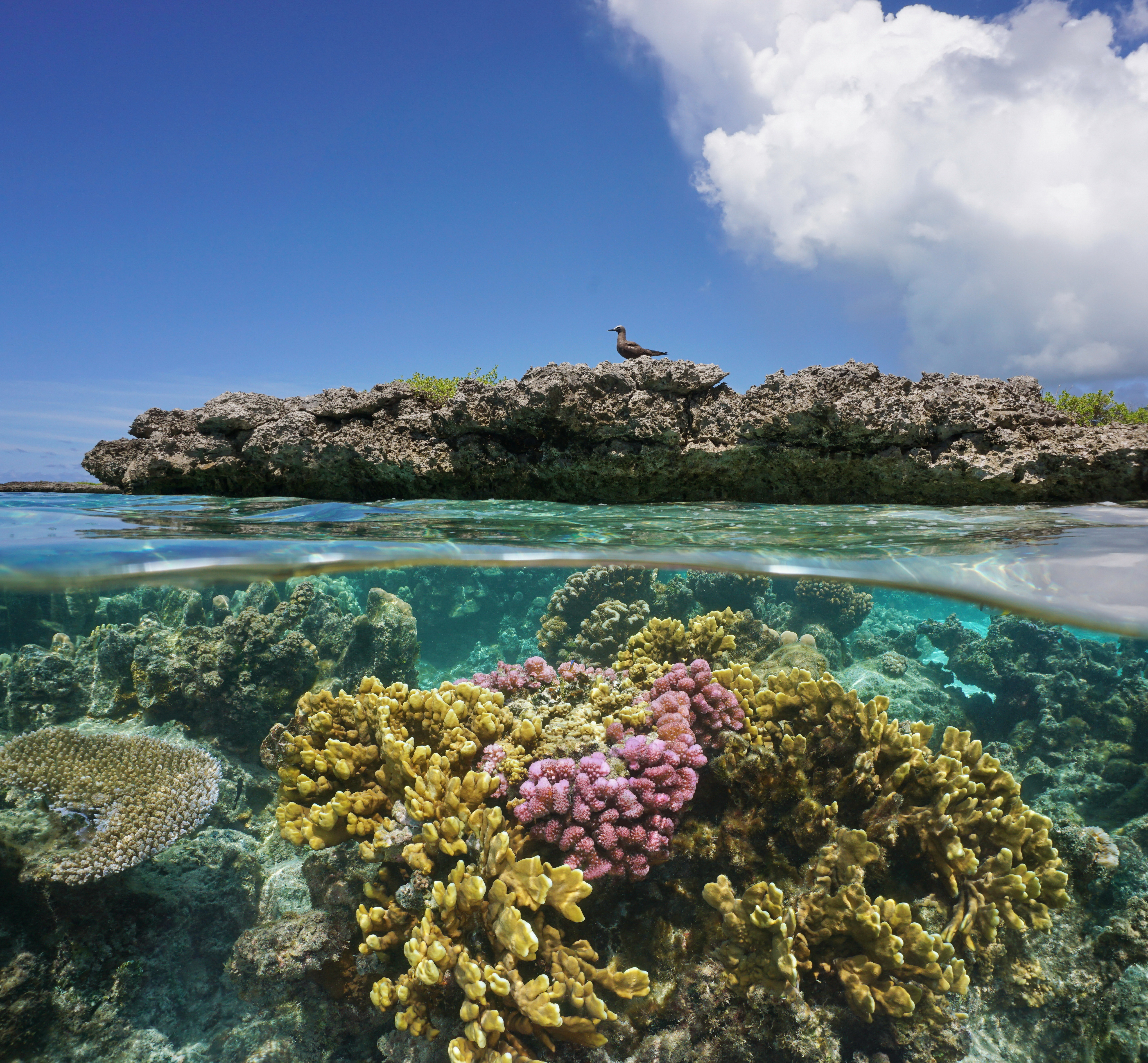
Our projects to restore key islets in Nukufetau Atoll forecast climate resilience and community benefits in Tuvalu!
November 5, 2024
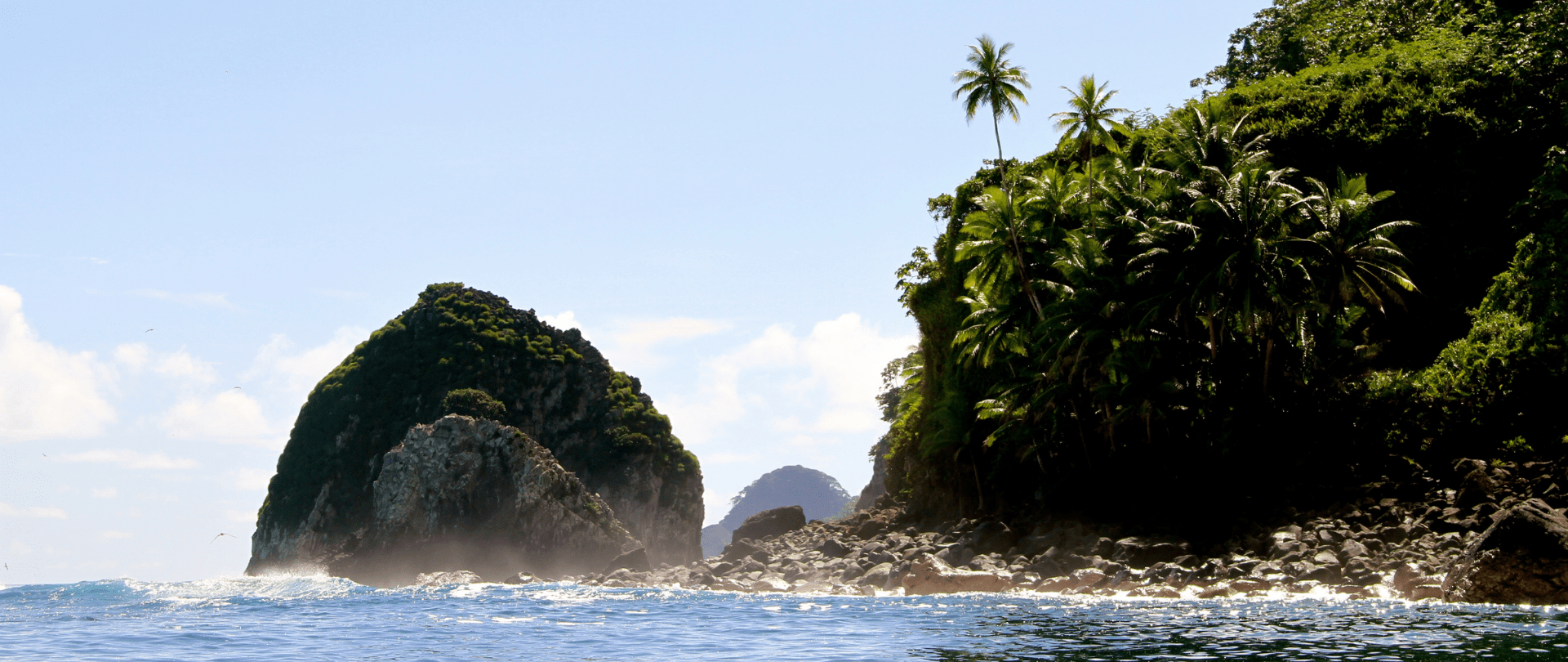
Island Conservation attended the 16th meeting of the Conference of the Parties to the Convention on Biological Diversity!
October 3, 2024
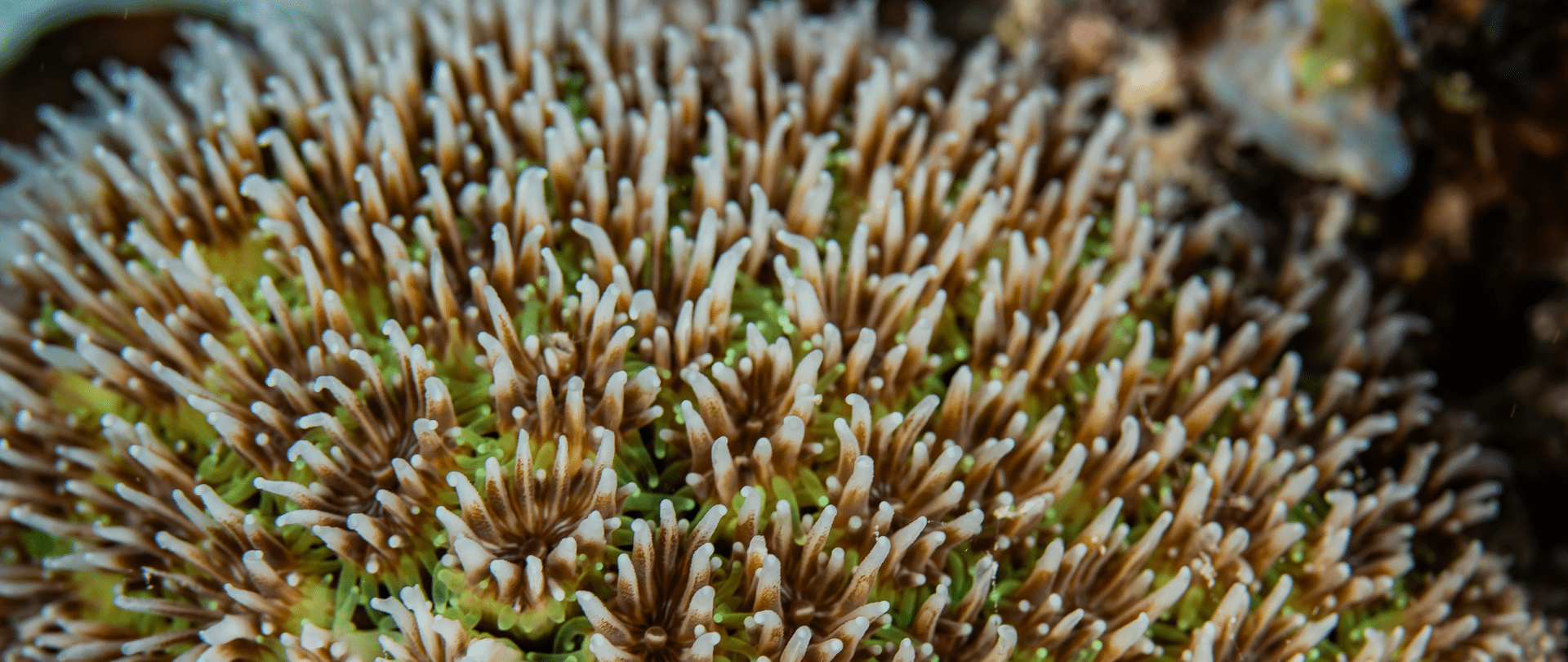
Island Conservation and partners have published a new paper quantifying ecosystem resilience on restored islands!
September 10, 2024
Climate Week NYC: what is it and why is it important? Read on to find out why Island Conservation is attending this amazing event!