
IKI: Restoring Pacific Islands for Nature and People
The International Climate Initiative (IKI) is one of the key instruments of the German Federal Government to support international climate action and biodiversity. The IKI supports solution strategies in developing and emerging countries that seek to achieve sustainable change. To access IKI’s Independent Complaint Mechanism, please scroll to the bottom of the page.
About the project
Pacific Island Countries and Territories (PICTs) are biodiversity hotspots and cultural strongholds, yet they face unprecedented threats from climate change and invasive species. Rats, feral pigs, and cats degrade ecosystems, reduce food security, and undermine resilience to extreme weather events. This project is a seven-year, €20M project in response to IKI’s Thematic call for projects tackling invasive species, climate change, and biodiversity loss on islands.
This project takes aim at these challenges through four integrated work packages:
- Mainstreaming – Building awareness and capacity for invasive species management.
- Biosecurity – Developing and implementing inter-island biosecurity frameworks.
- Eradication – Removing invasive vertebrates from 58 islands and islets.
- Rewilding – Restoring native species and ecosystems for long-term resilience.
Duration: 2026 – 2032
Countries + Territory: Palau | Samoa | Tonga | Wallis & Futuna
Our goals
- Enhance Climate Resilience: Protect ecosystems that buffer communities against climate impacts.
- Restore Biodiversity: Remove invasive species and reintroduce at-risk native species.
- Improve Food Security: Safeguard traditional crops and agricultural productivity.
- Empower Communities: Engage Iocal communities, women, and youth in decision-making and implementation.
Key outcomes
- 58 islands restored through invasive species eradication.
- 4 inter-island biosecurity frameworks developed and implemented.
- 4 rewilding programs reintroducing at-risk species like the Tongan Megapode and Shy Ground-Dove.
- 8,769 hectares of ecosystems under improved conservation.
- 132 people trained in biodiversity and climate resilience practices.
Why it matters
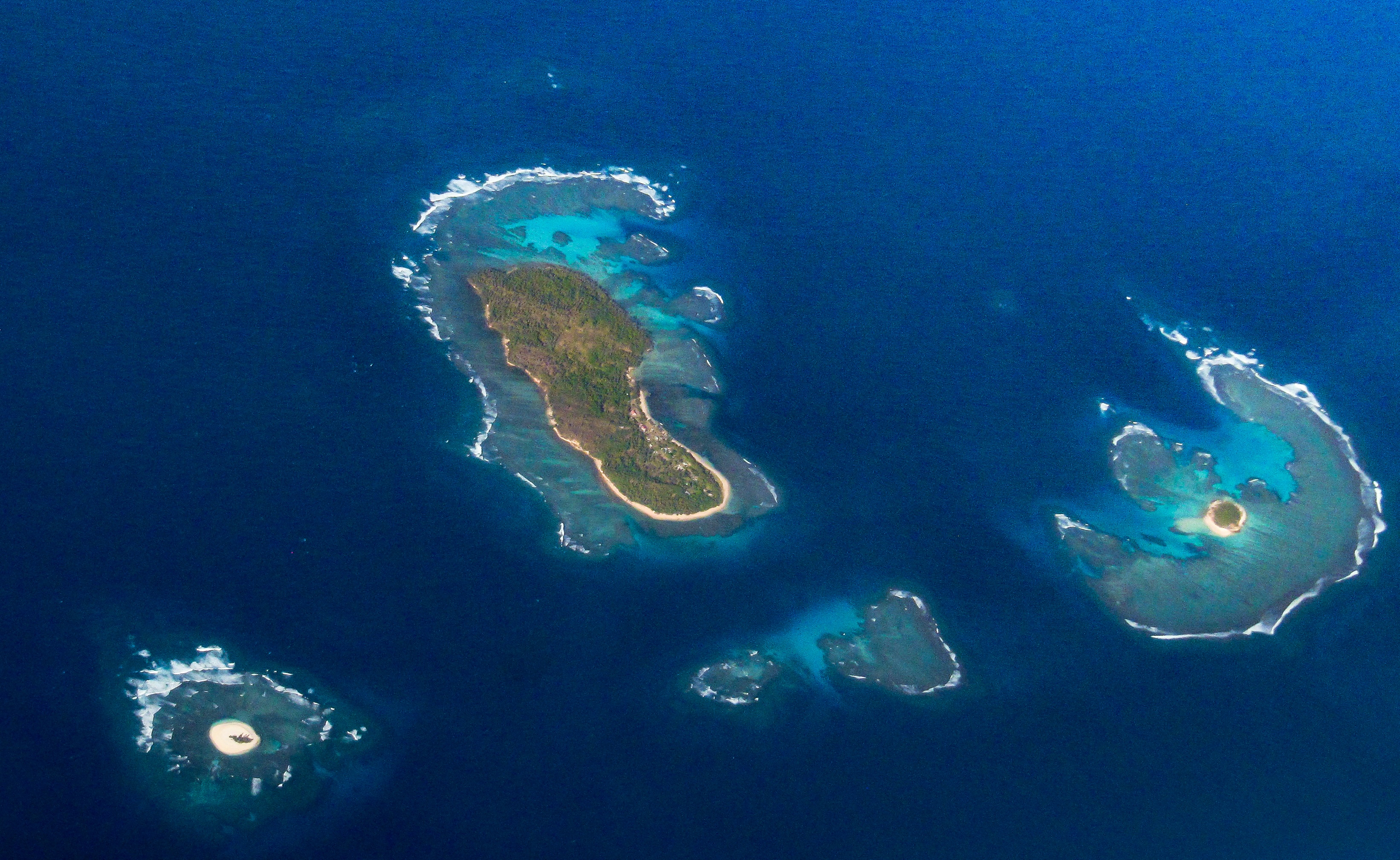
Healthy island ecosystems are vital for biodiversity, cultural heritage, and human well-being. By breaking the cycle of invasive species and climate vulnerability, this project creates lasting benefits for nature and people—stronger reefs, thriving forests, and resilient communities. Restored islands capture millions of metric tons of carbon, increase fish biomass and herbivore productivity, improve coral reef health and resilience, and bolster food security.
Partners
Island Conservation is the lead organization on this project. Below are our implementing partners.


Political partners
This initiative is built on strong collaboration with government agencies and local authorities across the Pacific. Our political partners play a critical role in enabling policy alignment, operational support, and long-term sustainability of project outcomes.
Our political partners:
- Koror State Government (KSG) – Palau
- Palau Ministry of Agriculture, Fisheries, and the Environment (MAFE) – Palau
- Tonga Ministry of Meteorology, Energy, Information, Disaster Management, Environment, Climate Change and Communications (MEIDECC) – Tonga
- Samoa Ministry of Natural Resources and Environment (MNRE) – Samoa
- Samoa Ministry of Agriculture and Fisheries (MAF) – Samoa
- Service Territorial de l’Environnement de Wallis et Futuna (STEWF) – Wallis & Futuna
Role in the Project: These partners champion national mainstreaming efforts, support inter-island biosecurity planning, and provide essential resources for eradication and rewilding activities. Their engagement ensures that project actions align with national priorities and statutory obligations, fostering ownership and long-term impact


File a complaint
The IKI Independent Complaint Mechanism (ICM) is intended to enable people who suffer (potential) negative social and/or environmental consequences from IKI projects, or who wish to report the improper use of funds or report retaliations in the context of an IKI project, to voice their complaints and seek redress.
Palau
Rat eradication will be conducted on 52 islands and islets in the Ngerukewid & Ngemelis Island Clusters and the recently completed inter-island biosecurity framework will be implemented to stop the reintroductions of invasive species. Native biodiversity recovery will be supported through the reintroduction of the Federico nut cycad (Cycas micronesia) plant species.
Samoa
Rat eradication will be conducted on Apolima Island and an inter-island biosecurity framework will be developed and implemented to stop the reintroduction of invasive species. Native biodiversity recovery will be supported on nearby Nu’utele Island (already post-eradication) through the reintroduction of the Mao / Ma’oma’o (Gymnomyza samoensis) bird species.
Tonga
Rat, feral cat and feral pig eradications will be conducted on Tofua Island and three surrounding islets, and an inter-island biosecurity framework will be developed and implemented to stop the reintroduction of invasive species. Native biodiversity recovery will be supported on nearby Late Island (already post-eradication) through the reintroduction of the at-risk Tongan Megapode bird species (Megapodius pritchardii).
Wallis and Futuna
Rat eradication will be conducted on Alofi Island and an inter-island biosecurity framework will be developed and implemented to stop the reintroduction of invasive species. Native biodiversity recovery will be supported through the reintroduction of the at-risk Shy Ground-Dove bird species (Pampusana stairi).