October 14, 2026
The cost of saving a species
What makes a donation to Island Conservation such a great investment? Our CEO, Penny Becker, explains in an NPR podcast!
 Island Conservation
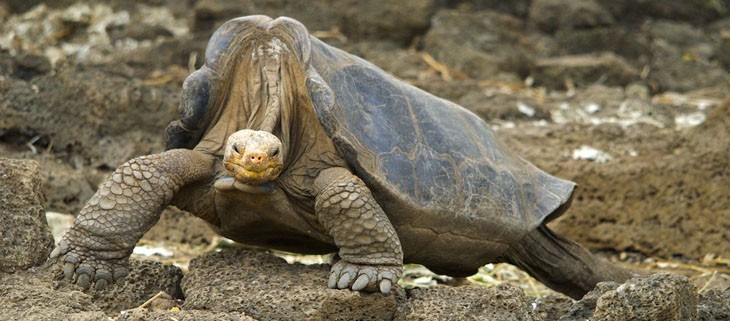
Lonesome George was considered to be the ‘endling’ of his species, the last Pinta Giant Galapagos Tortoise to exist. After his death in 2012, conservationists thought there was little hope of ever reviving the lost species but a new discovery has changed that.
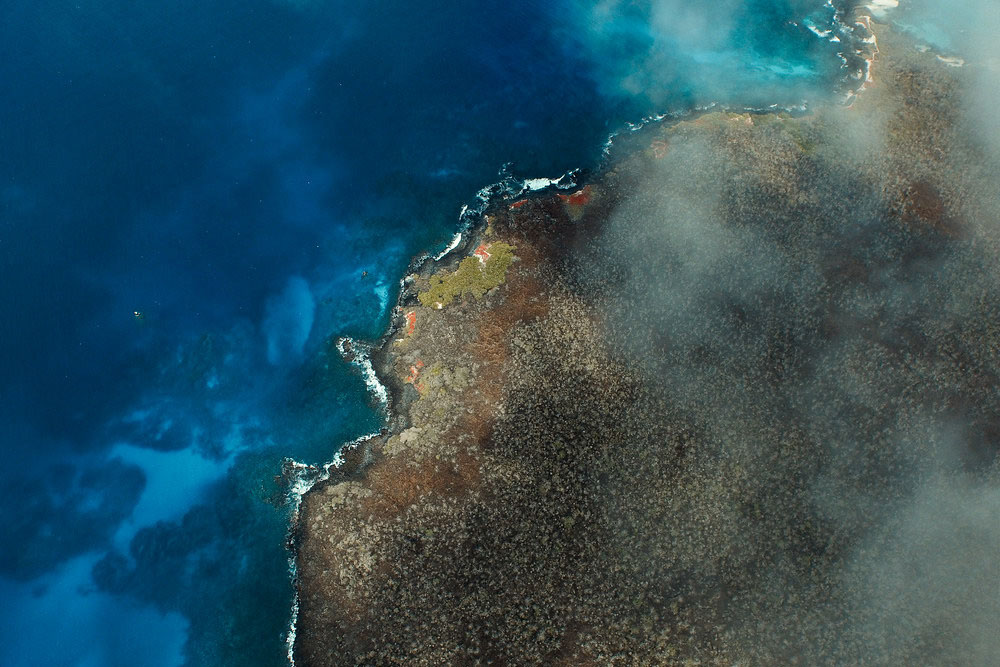
Staff from the Galapagos National Park and Galapagos Conservancy have found a female tortoise on Wolf Volcano, Isabela Island that is believed to be a direct descendant of Lonesome George. The team also found 29 other tortoises that are believed to be related to the Floreana Giant Tortoise which was considered extinct until just a few years ago when researchers studied the genetics of another population that has been discovered.
Giant Tortoises, being a keystone species, are an instrumental part of the Galapagos landscape making their conservation of upmost importance. Particularly, for controlling plant growth because giant tortoises eat plants, trample plants, and disperse their seeds. That is why conservationists are working to hard to protect them. A previous successful breeding program reared 2,000 Española giant tortoises from just 14.
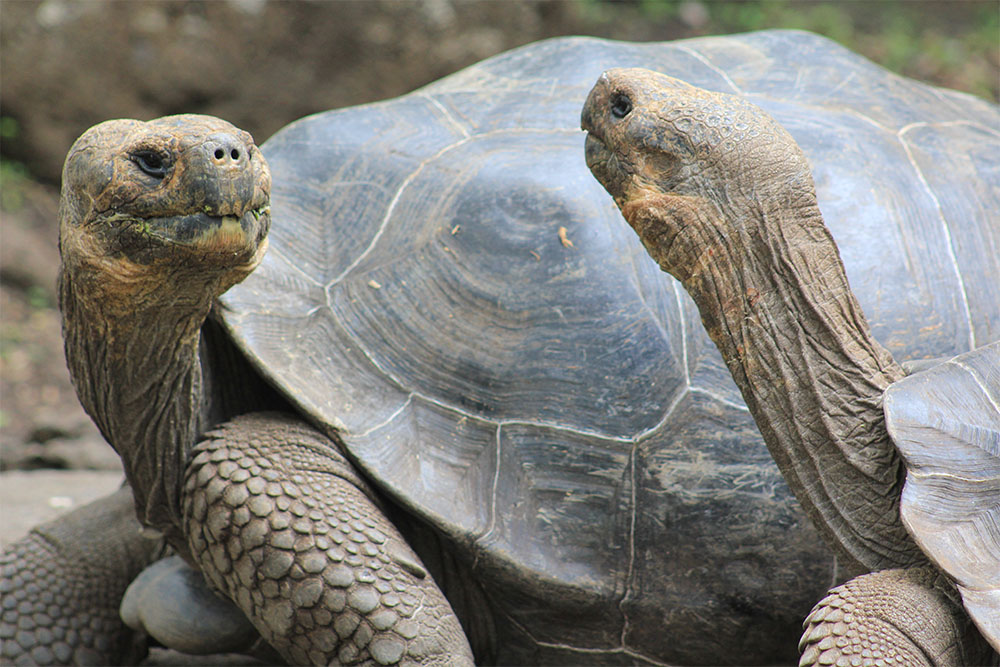
While news that the Pinta Giant Tortoise could be alive and redeemed from extinction is thrilling, there is still more research to be done. Species of Giant Tortoises thought to be extinct have been found before. In 2019, a Fernandian Giant Tortoise was found in the Galapagos after the species had not been seen in 114 years and was thought to be extinct. Showing just how elusive these animals can be among the dense Galapagos foliage, and bringing hope for future conservation of these amazing species.
Feature Photo: Lonesome George, credit: Wikipedia
Source: IFL Science
Check out other journal entries we think you might be interested in.

October 14, 2026
What makes a donation to Island Conservation such a great investment? Our CEO, Penny Becker, explains in an NPR podcast!
September 17, 2026
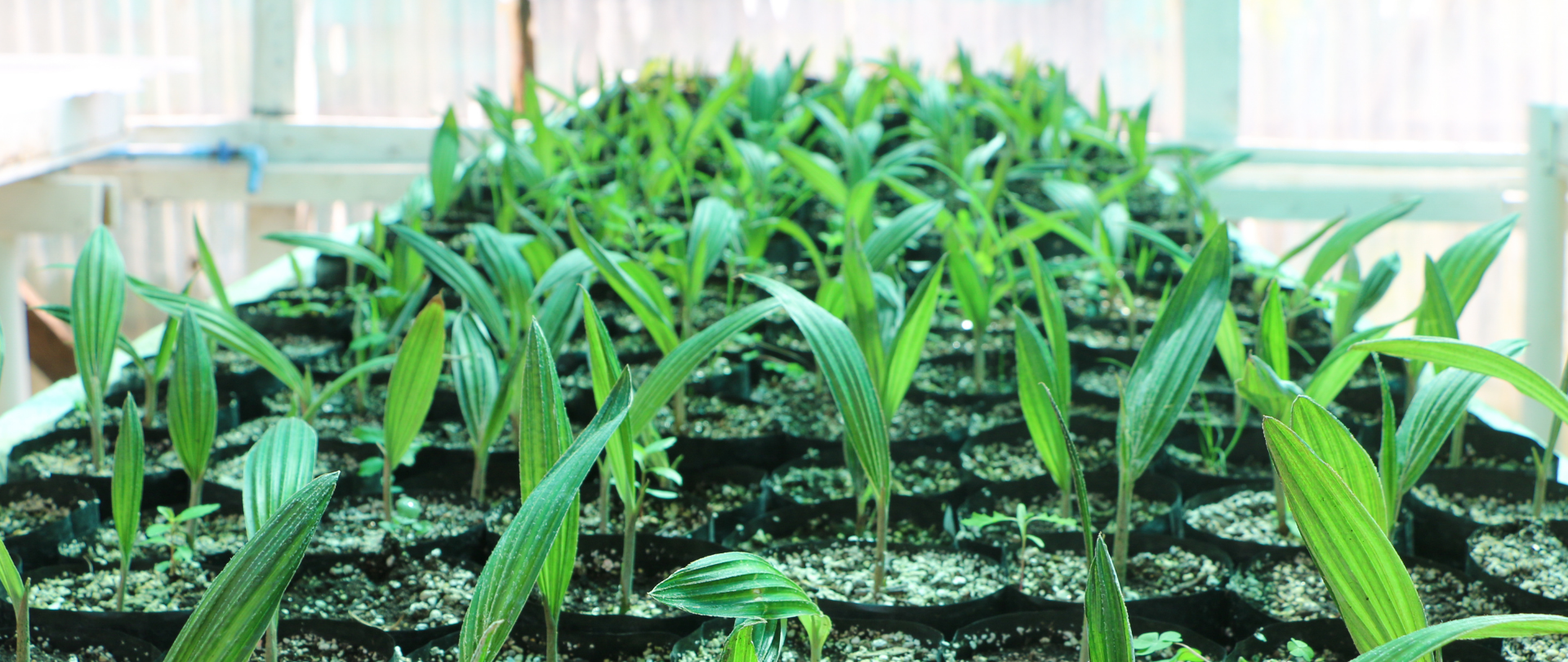
On the island of Robinson Crusoe in Chile, a greenhouse feeds both a community and an islander-led conservation movement!

September 9, 2026
El Niño doesn't create weak ecosystems; it reveals them. Find out how resilient islands can survive and bounce back from stress caused by El Niño!

August 25, 2026
A new study reveals the role fungi play in the restoration and recovery of rare, resilient atoll ecosystems!

August 12, 2026
The new Phoenix Species Project highlights species on the brink of extinction that are primed for recovery--and a lot of them live on islands!
August 4, 2026
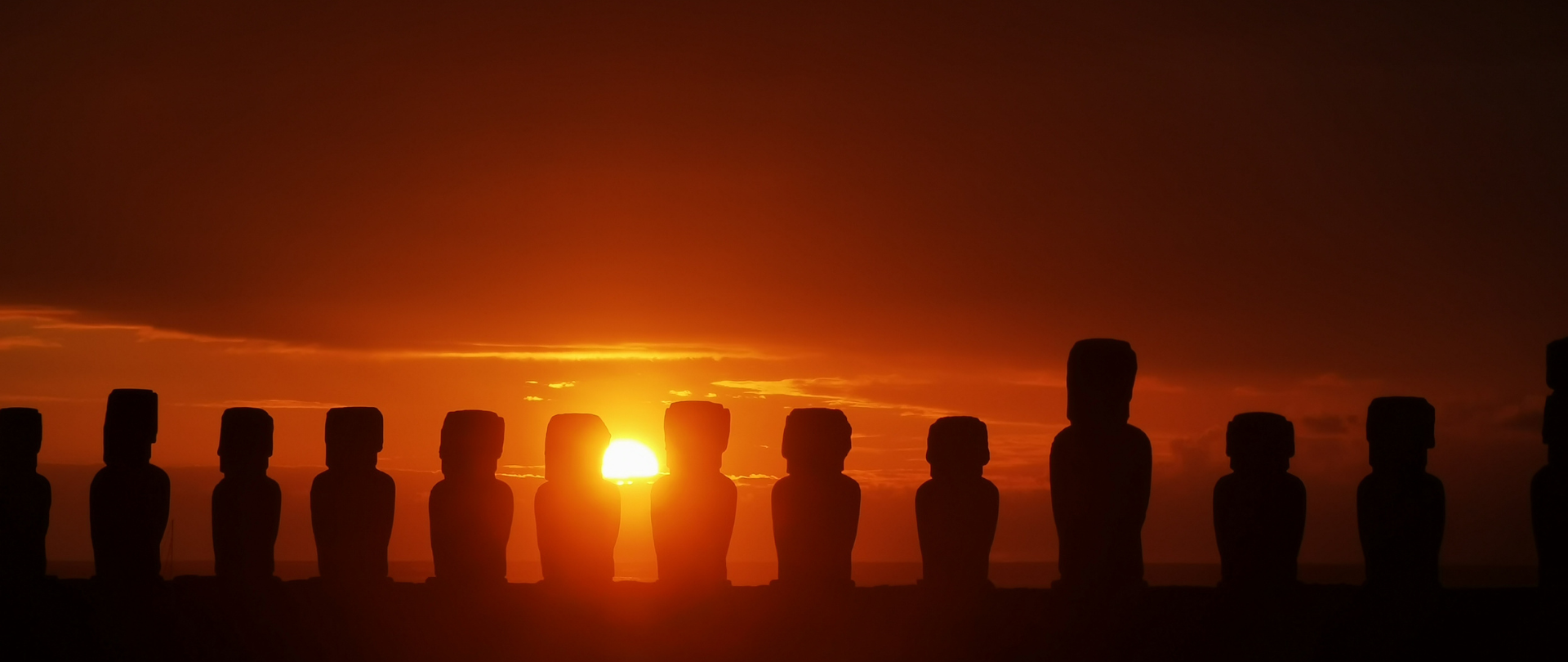
Indigenous-led conservation takes a leap forward with Rapa Nui (Easter Island)'s new partnership with Island Conservation!

July 31, 2026
We interviewed artist Laura Shape to learn about the luminous abstracts she creates from leather sourced from invasive species!

July 28, 2026
Happy World Nature Conservation Day! Read Penny Becker's article published by the Outreach Network for Gene Drive Research.
July 9, 2026
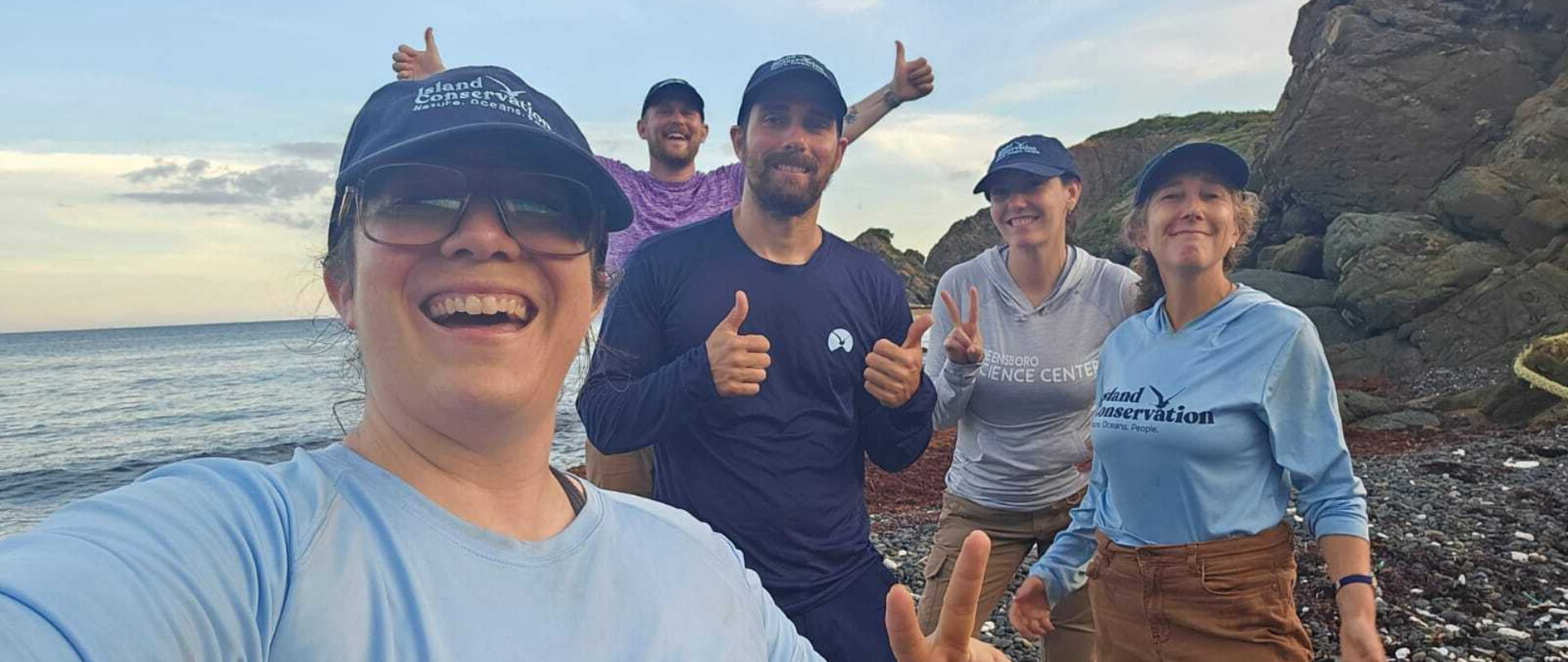
Senior Major Gifts Officer Jen Sachs shares her experience on one of Island Conservation's exciting restoration projects in the US Virgin Islands!
July 2, 2026
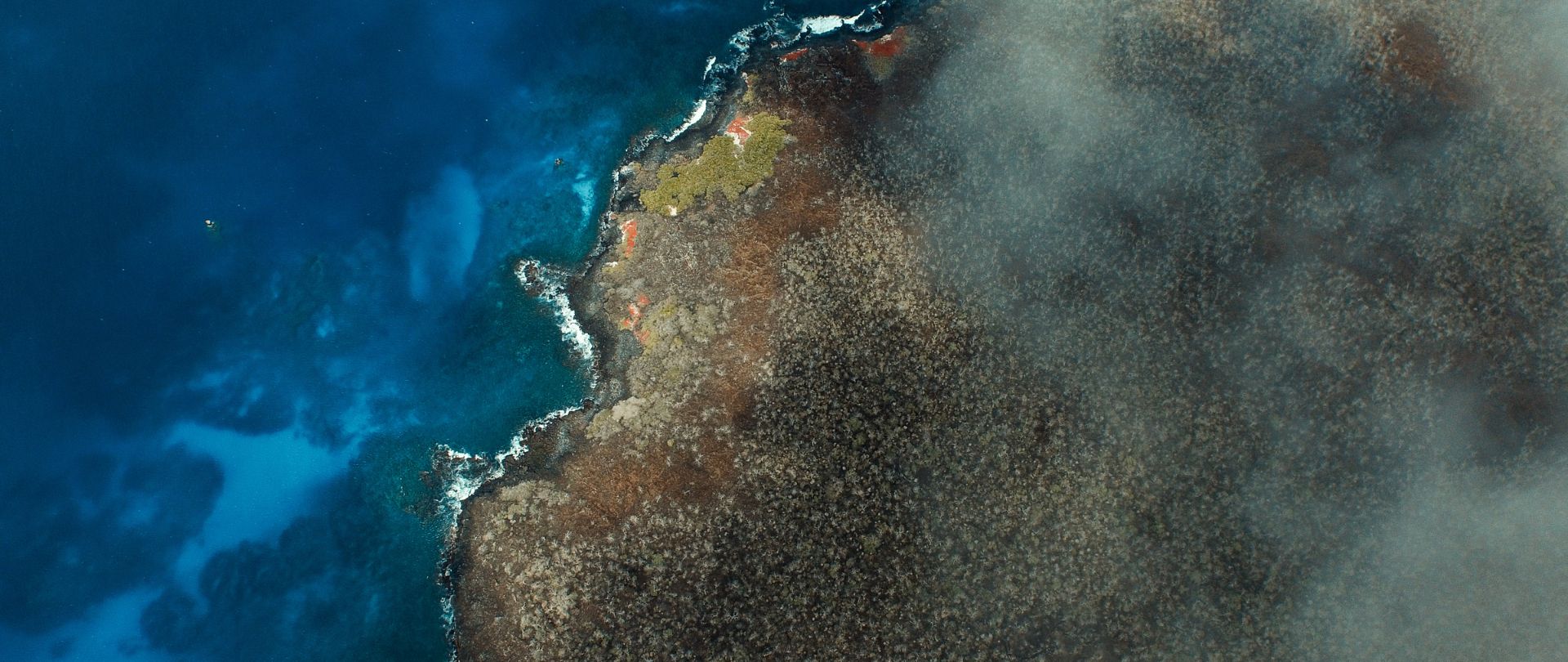
Invasive species have caused over $12 billion in damages to island ecosystems, creating an urgent need for strengthened biosecurity measures!