September 9, 2026
Some Island Ecosystems Are More Resilient to El Niño
El Niño doesn't create weak ecosystems; it reveals them. Find out how resilient islands can survive and bounce back from stress caused by El Niño!
 Island Conservation
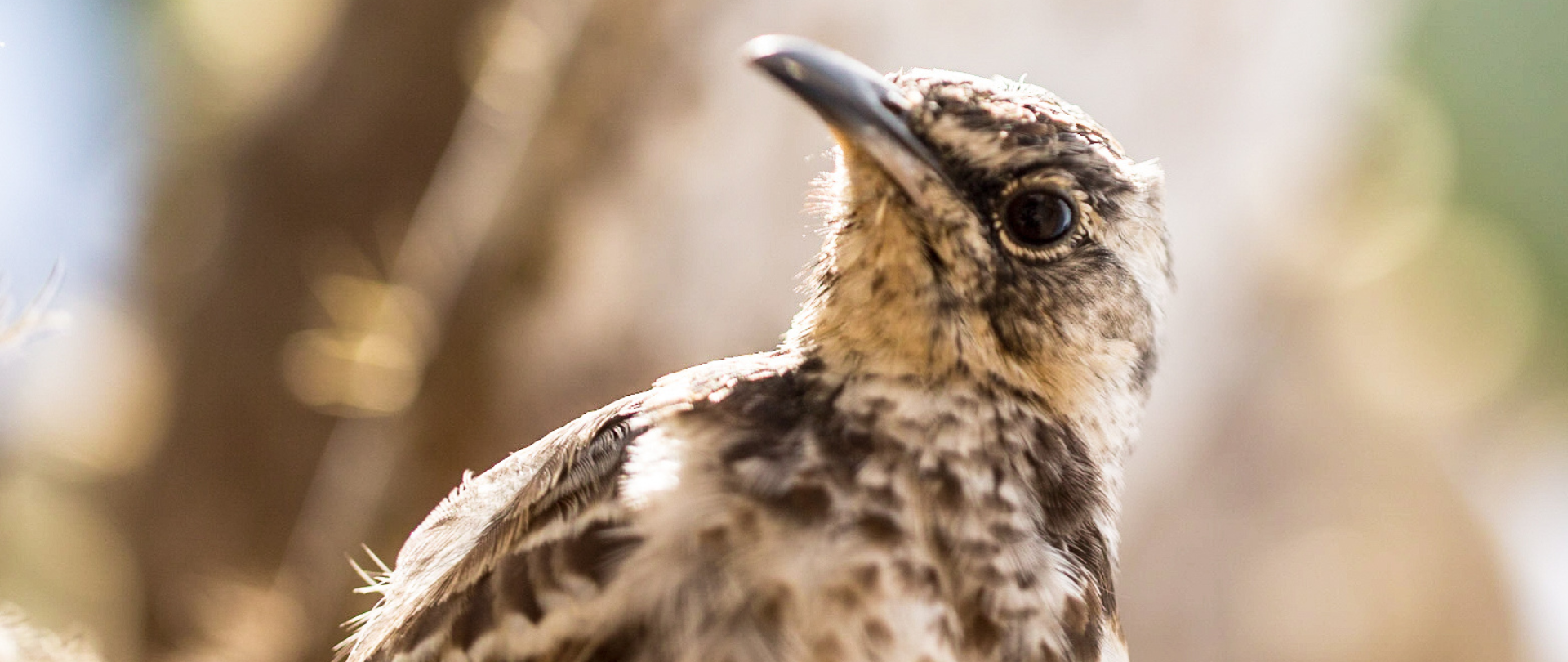
Floreana was one of the first islands in the Galápagos Archipelago to be inhabited by humans. Its history is marked by the arrival of pirates, whalers, and settlers—chapters of adventure, isolation, and drama. Yet the deepest legacy of this human occupation has been the introduction of exotic species, such as donkeys, goats, rodents, and feral cats, which have profoundly altered the island’s ecosystems and led to a significant loss of biodiversity.
Today, an estimated 54 species are classified as threatened on Floreana, and at least 13 endemic species have been lost locally—including iconic birds such as the Floreana Mockingbird and keystone species such as the Island’s endemic giant tortoise. With a small community of around 150 residents, Floreana offers a rare opportunity to engage directly with local people and strengthen conservation-based governance.
More than a decade ago, one of the most ambitious conservation challenges in Galápagos began: the Floreana Ecological Restoration Project, designed to restore the island’s natural balance through a holistic restoration approach.
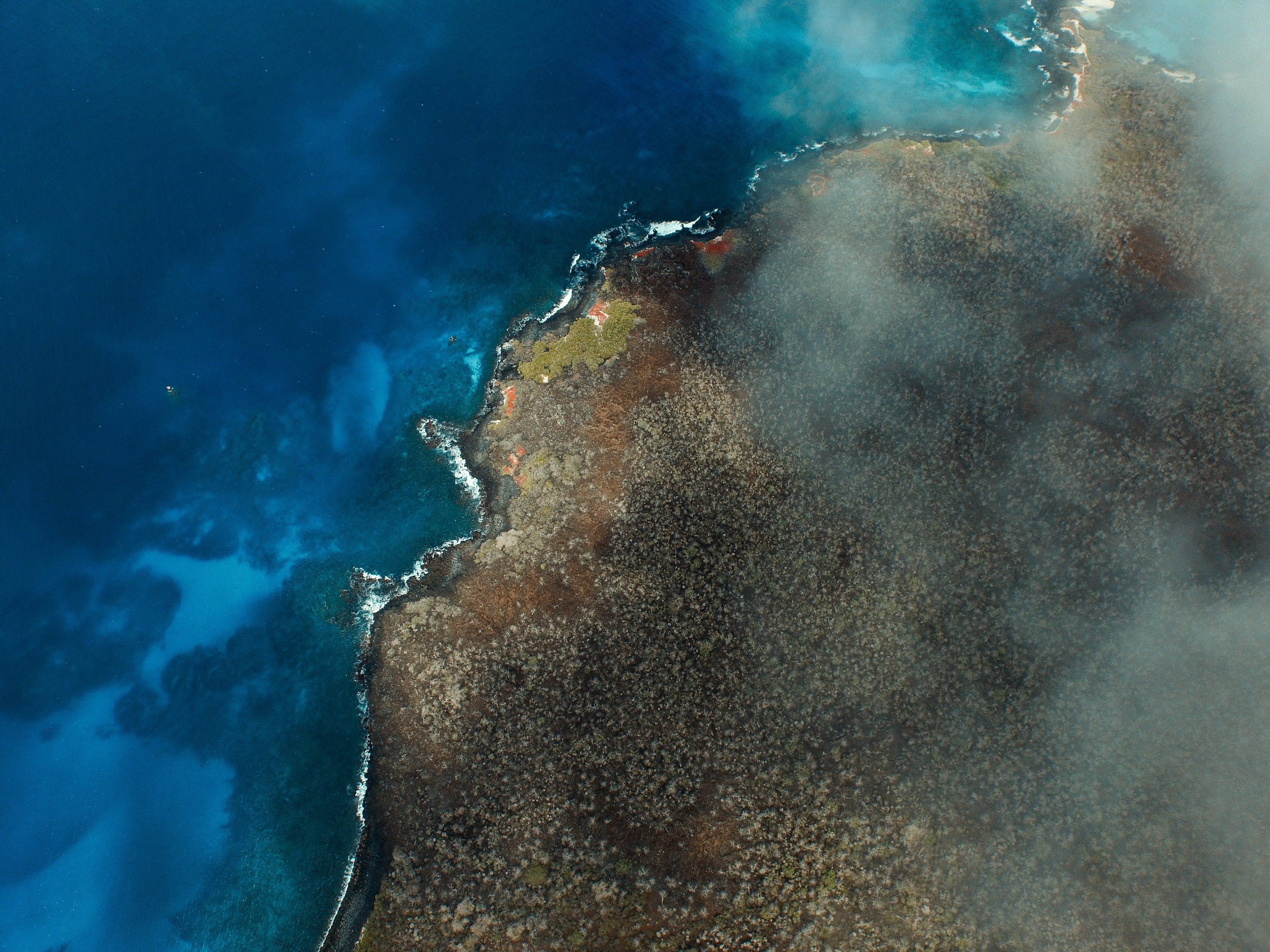
Holistic restoration goes far beyond planting trees or releasing animals. It is an environmental method that recognizes that every component of an ecosystem—flora, fauna, soils, water, climate, species interactions, and human communities—is interconnected.
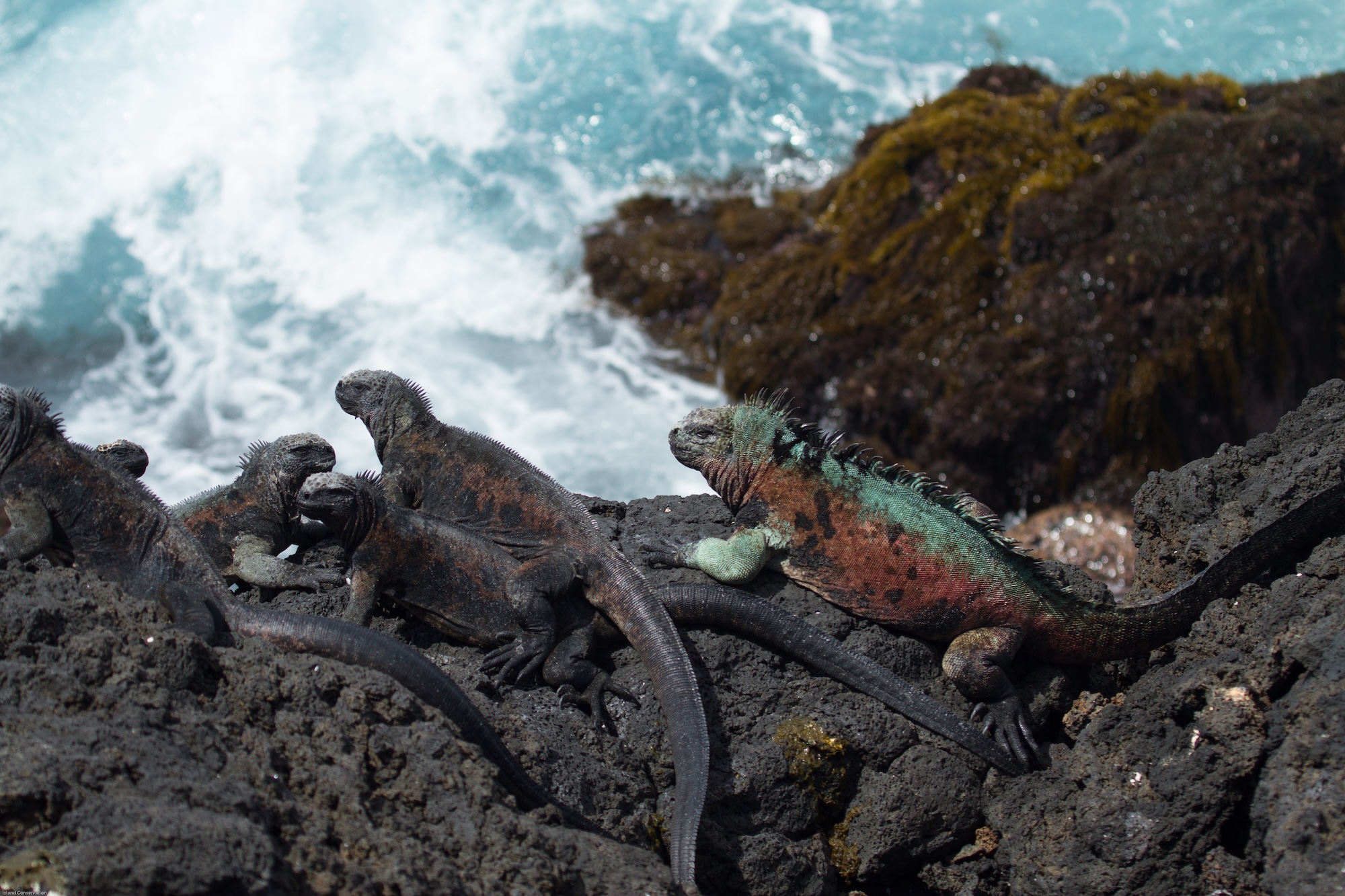
Islands are especially fragile ecosystems. Their species evolved in isolation and are not prepared to face new threats. The arrival of invasive species can quickly trigger ecological imbalances, displace native wildlife, and even cause extinctions.
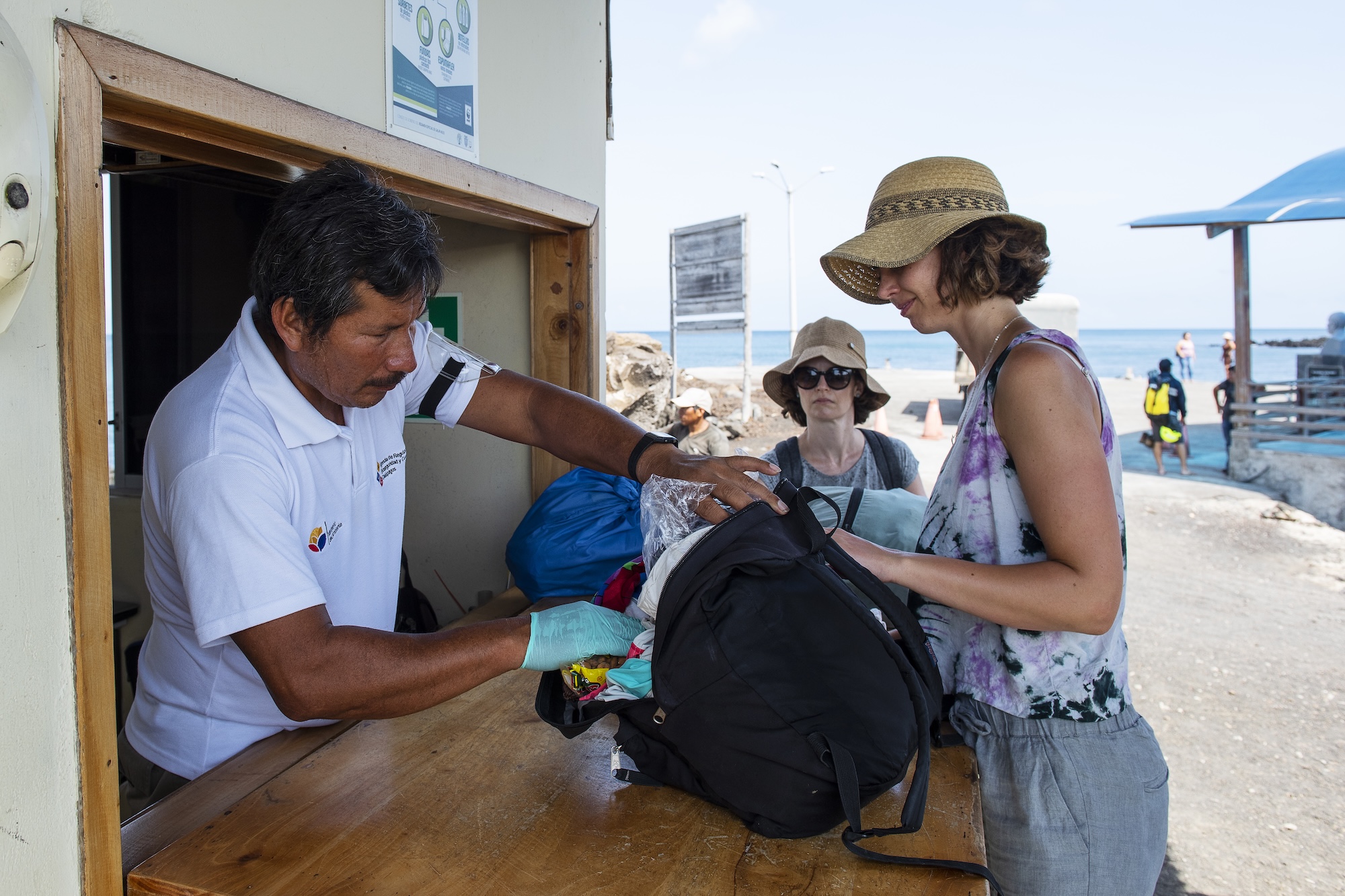
That’s why eradicating invasive species is a crucial first step. On Floreana, efforts focus on controlling two invasive rat species and feral cats that prey on the eggs of birds, reptiles, and tortoises. Floreana is a large island, with permanent residents and diverse habitats, which requires careful coordination and an adaptive management approach.
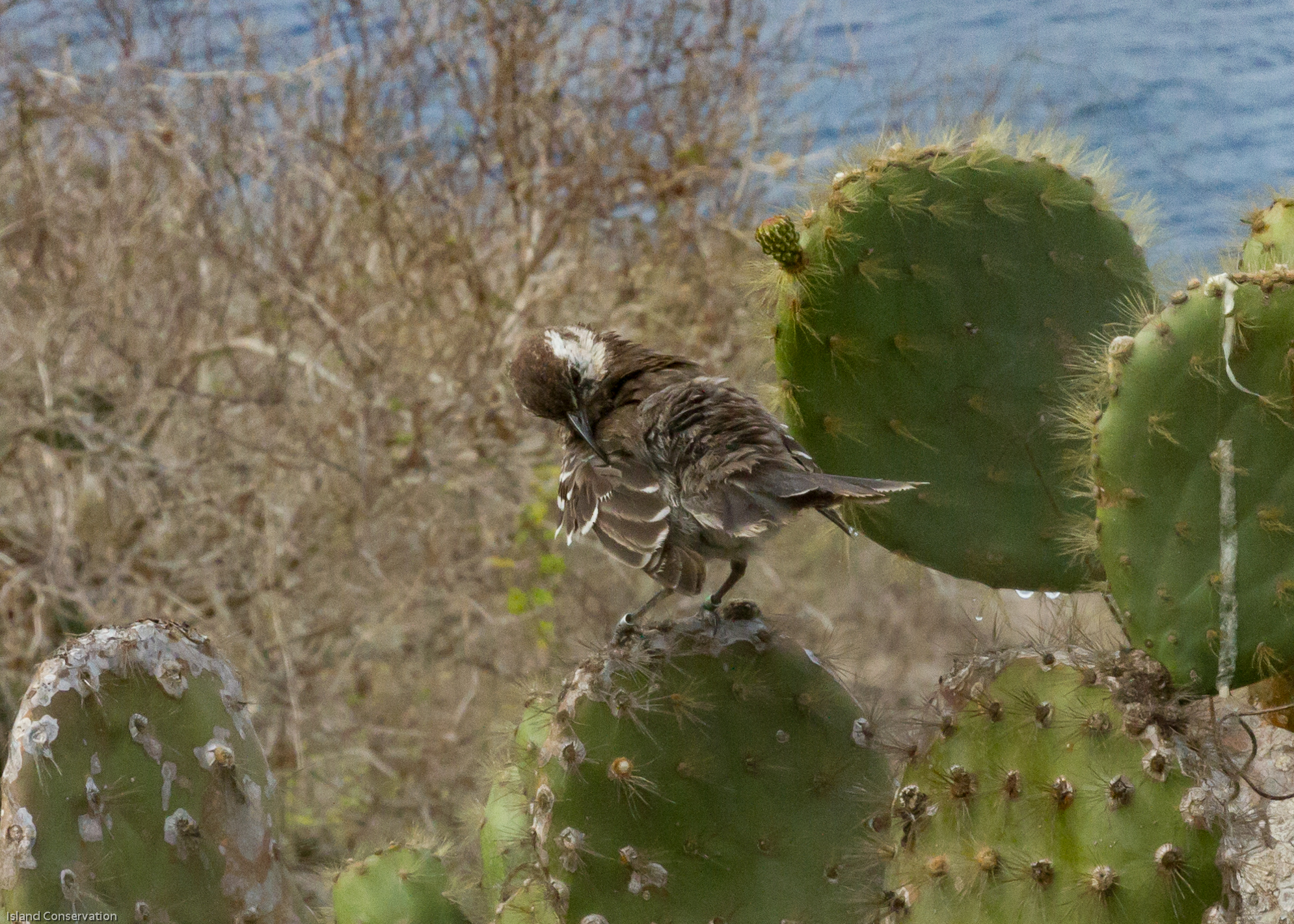
But controlling invasive species alone is not enough. Many native species have been absent for decades—some for over a century—leaving entire ecological functions lost or diminished. To ensure reintroductions are successful and lasting, habitats must also be restored. Invasive plants need to be managed so that native vegetation can recover, providing reintroduced species with the food, shelter, and ecological conditions they need to thrive.
Holistic restoration is like an intricate puzzle, where every piece is interconnected and must be adjusted thoughtfully over time to achieve lasting balance.
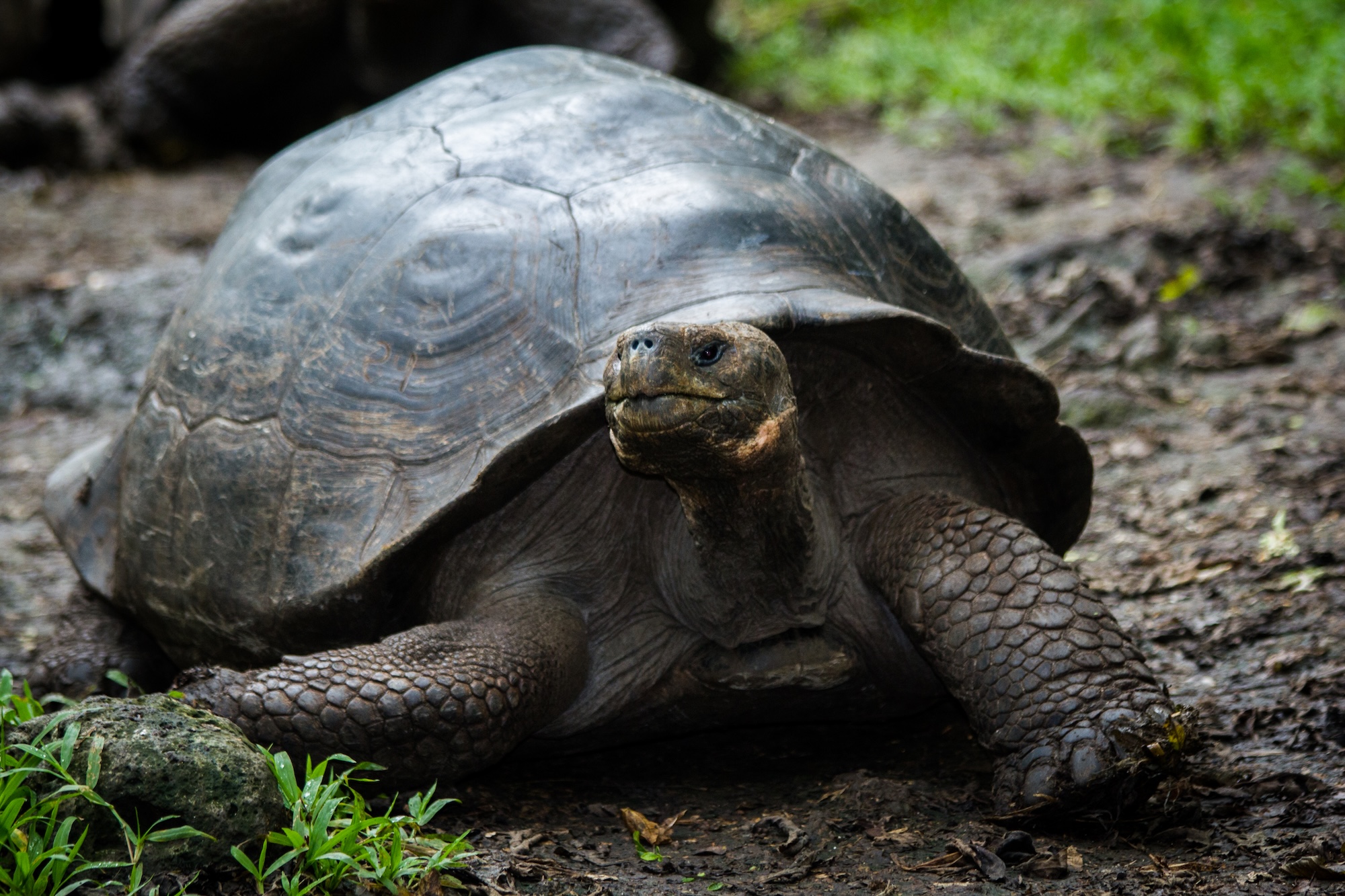
The Floreana Ecological Restoration Project recognizes the interconnection between terrestrial and marine ecosystems and seeks to build a resilient, integrated, and self-sustaining environment. It is the largest and most ambitious restoration initiative ever undertaken in Galápagos and will be decisive for the archipelago’s future.
This effort goes beyond recovering species—it seeks to restore the health and functionality of entire ecosystems. A thriving environment supports soil fertility, microclimate regulation, natural pest control, and stronger community identity. It also fosters conservation tourism, which will bolster the island’s local economy and bring new attention to the region, and helps the island prepare for the impacts of climate change.
Floreana has the potential to become a global model for island restoration—demonstrating that with science, community commitment, and long-term vision, it is possible to reverse decades of ecological degradation.
There’s more than one way to make an impact. Join our collective of dedicated supporters by donating today or signing up for our newsletter to stay informed.
The Floreana Island Ecological Restoration Project is led by the Galápagos National Park Directorate and the Galápagos Biosecurity Agency, with Fundación Jocotoco, Island Conservation, and the Charles Darwin Foundation as co-executing partners. Working closely with the Floreana community and numerous local and international allies, the project aims to achieve the island’s full ecological restoration through the eradication of three invasive mammal species, the restoration of habitats, and the reintroduction of 12 endemic species, restoring the ecological functionality and resilience of this unique island ecosystem.
Cover image by Bill Weir.
Check out other journal entries we think you might be interested in.

September 9, 2026
El Niño doesn't create weak ecosystems; it reveals them. Find out how resilient islands can survive and bounce back from stress caused by El Niño!
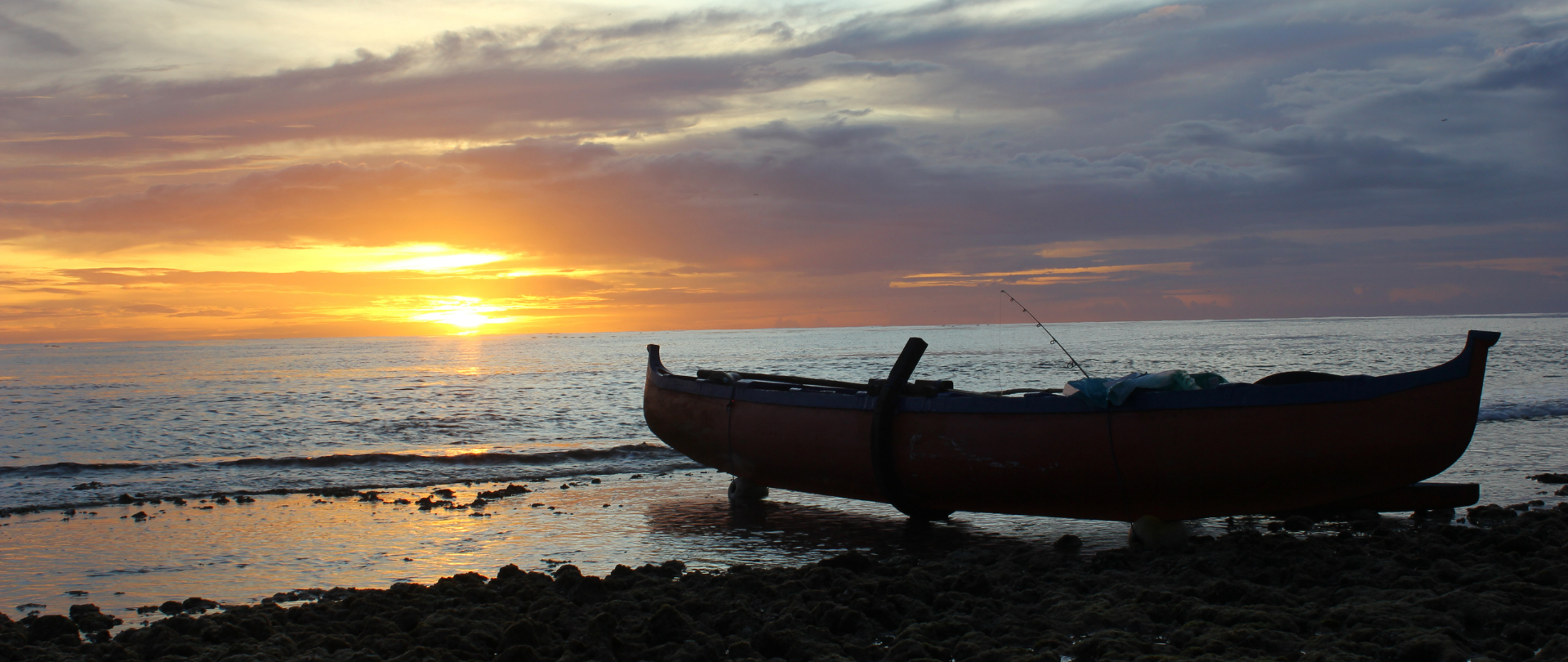
September 1, 2026
Linden Brown shares the incredible things he saw and experienced while working to restore islands in Sonsorol State, Palau!

August 25, 2026
A new study reveals the role fungi play in the restoration and recovery of rare, resilient atoll ecosystems!
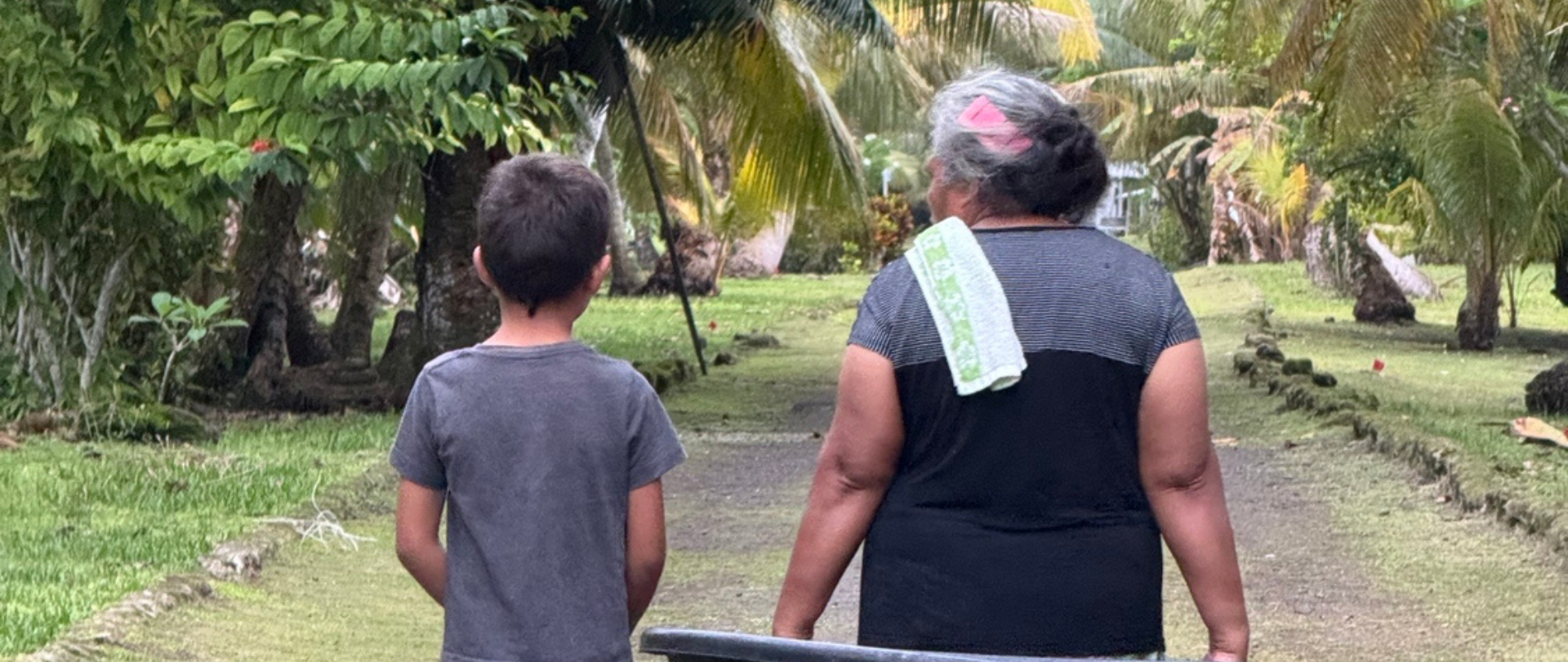
August 18, 2026
Meet Evelyn, one of the people who holds the wisdom of Sonsorol State, Palau in her lived experiences and stories.
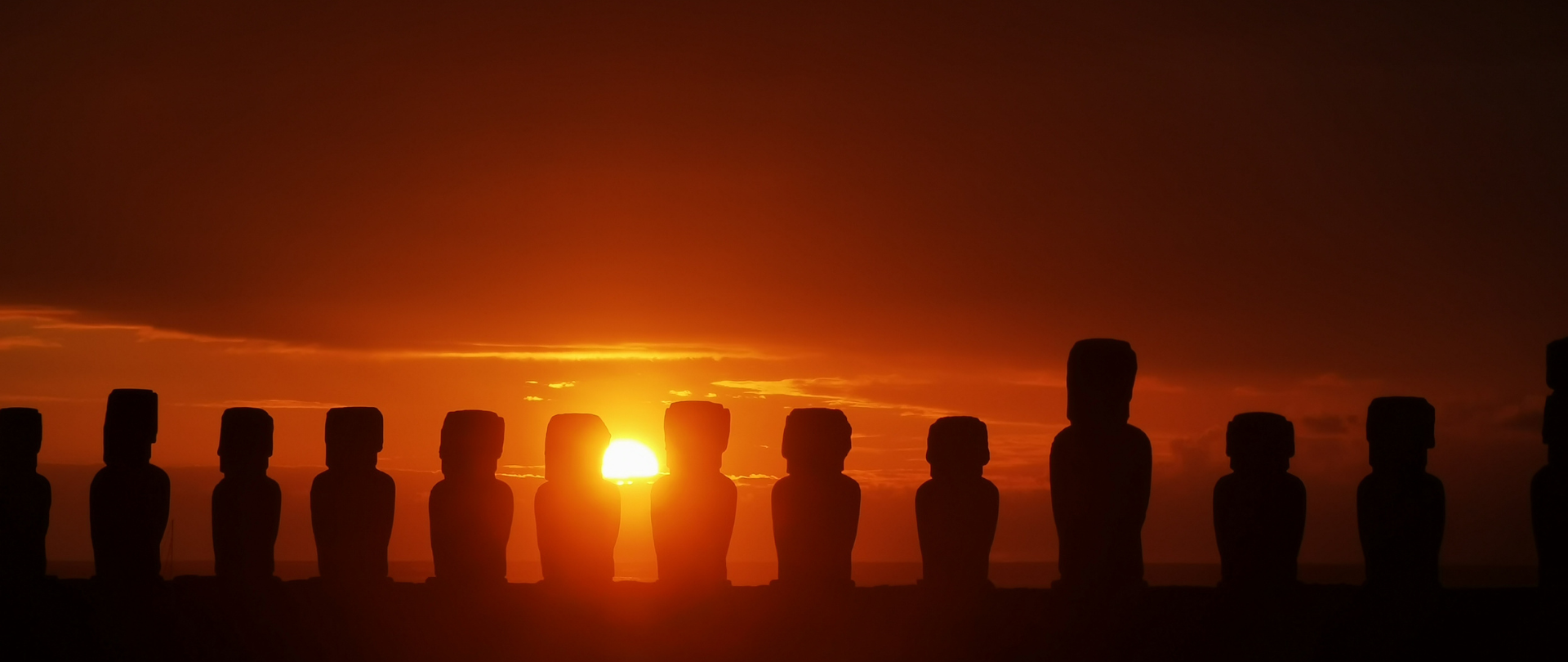
August 4, 2026
Indigenous-led conservation takes a leap forward with Rapa Nui (Easter Island)'s new partnership with Island Conservation!

July 17, 2026
Three different animals show how connector species prop up island-ocean ecosystems!
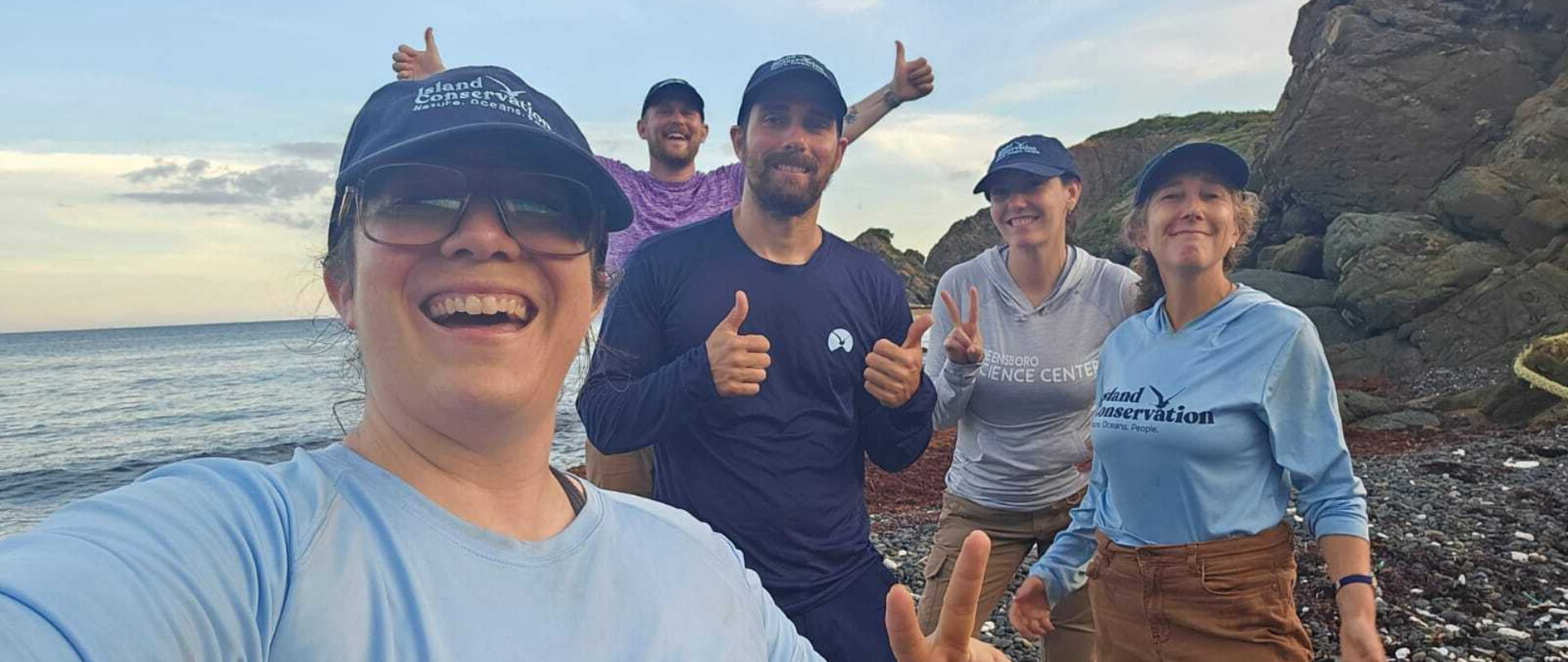
July 9, 2026
Senior Major Gifts Officer Jen Sachs shares her experience on one of Island Conservation's exciting restoration projects in the US Virgin Islands!
June 23, 2026
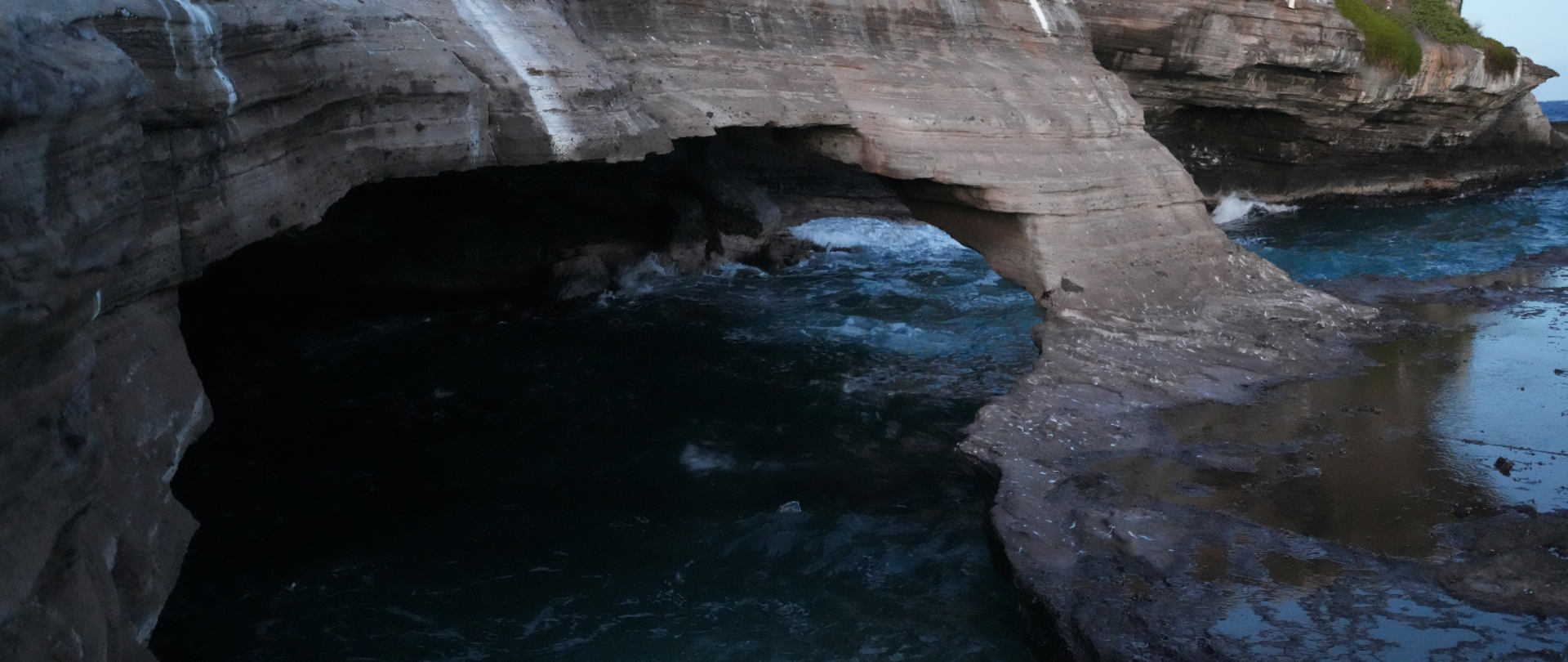
The Island-Ocean Connection Challenge announced four new restoration projects—Lehua, Tavolara, Grand Rouveau, and Zembra—at London Climate Week, expanding its global effort to restore 40 island-ocean ecosystems by 2030!
June 18, 2026
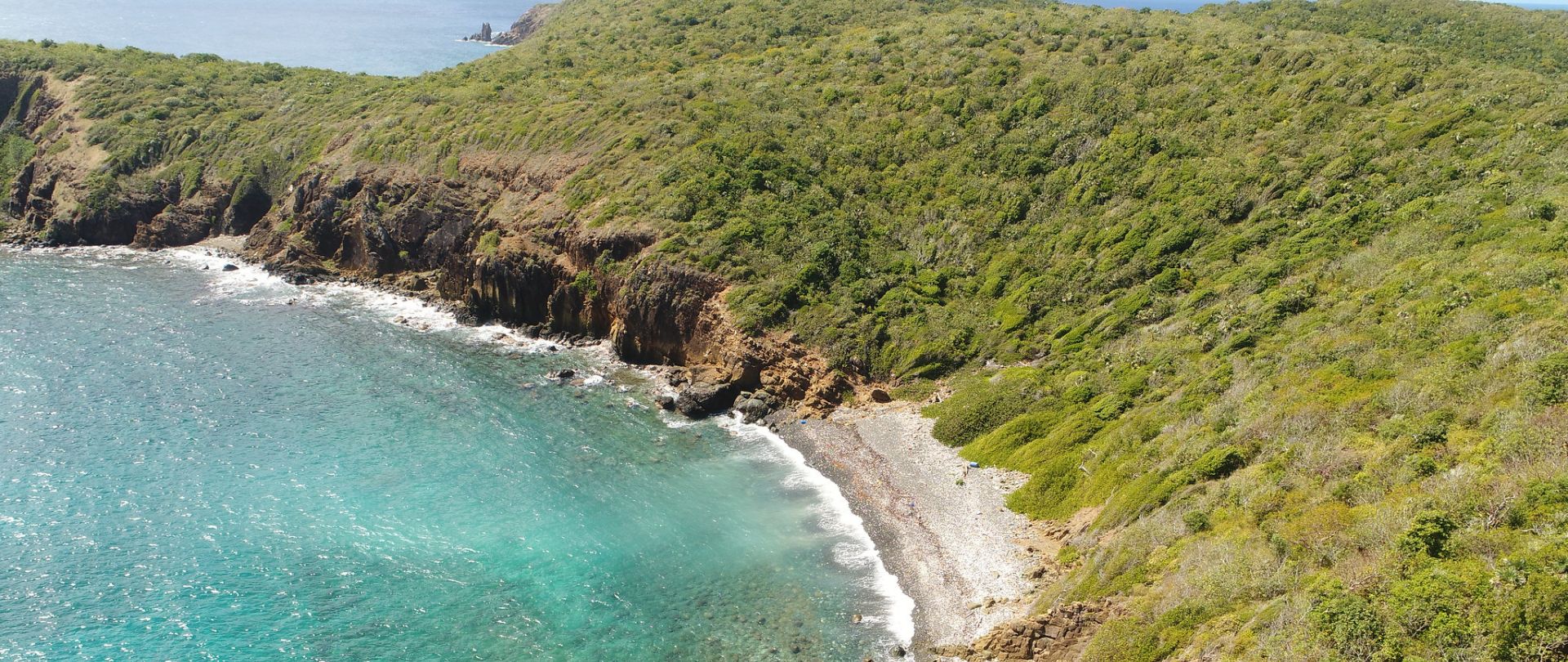
A new project to expand the range of an endangered Tree Boa is one step closer to completion!
June 8, 2026
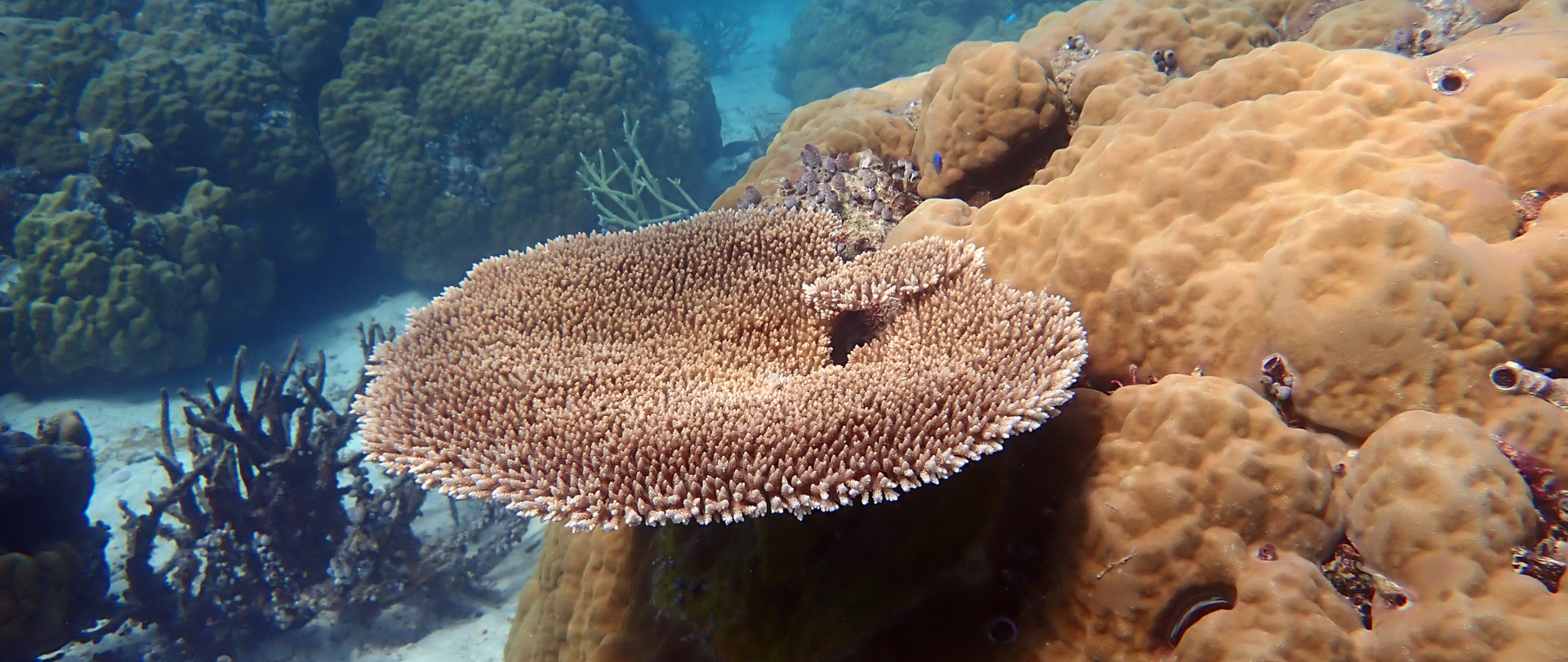
A world-first controlled experiment shows connection between seabird activity and marine health on Ulong Island!